




My 8-year-old daughter simply erupts with creativity. Every day she is dashing off new songs, drawing another segment of one of her comic strips, or writing a story. Her Muse works overtime.
My Muse, lately, doesn’t like to get out of bed. It’s hard for me to remember a time when the ideas came in such a flood. Nowadays it feels like everything comes in fits and starts. Creativity used to flow effortlessly, more ideas than I could ever write. I had multiple stories going at a time, and I churned out words like breaths. Now I’m lucky if I can write a coherent chapter in a day.
That’s what happens as you get older. Life gets busier, with more time-consuming responsibilities. I have less time to write, and less energy when I have time. Since I had my daughter, exhaustion has become a constant companion, and words jumble into gibberish in my fuzzy brain.
It’s not so much that my Muse has deserted me—it’s that she’s never sure when I’m coming to work, so she’s not always ready when I arrive. It’s like trying to guess what time to have dinner when everyone’s schedule keeps changing. And then when I do show up and we finally get rolling, my alarm goes off and I have to run, leaving her behind just when things are getting exciting. No wonder my Muse is pouty and petulant. She’s also cranky from sleep deprivation. It’s hard being a middle-aged Muse.
But when I get a few quiet hours, perhaps while driving to a book event, I start hearing her whisper. Ideas bubble up from the spring that’s been all but paved over with mom-duty tasks. And after a conference or a writer’s group meeting, my Muse burns through my soul like she used to and my fingers itch to grab a pen or find a keyboard.
My old Muse is still there, waiting for me. I just need to arrange my life so I can meet her. We’re both a little slower, a little creakier, with a little extra we-love-chocolate weight, but we’re still ready to tackle the next project together.
I watch my daughter’s bright flame, and it fans the spark in me. Life tries hard to extinguish the creative spark in us, and I am grateful for this little real-life Muse that fills my days with drawings and music. She connects me and my Muse with our younger selves, and reminds us of the passion with which we used to grasp each day.
After the Spring Break, I intend to make a standing date with my Muse.
How about you? Have you found your creativity changing as you get older?


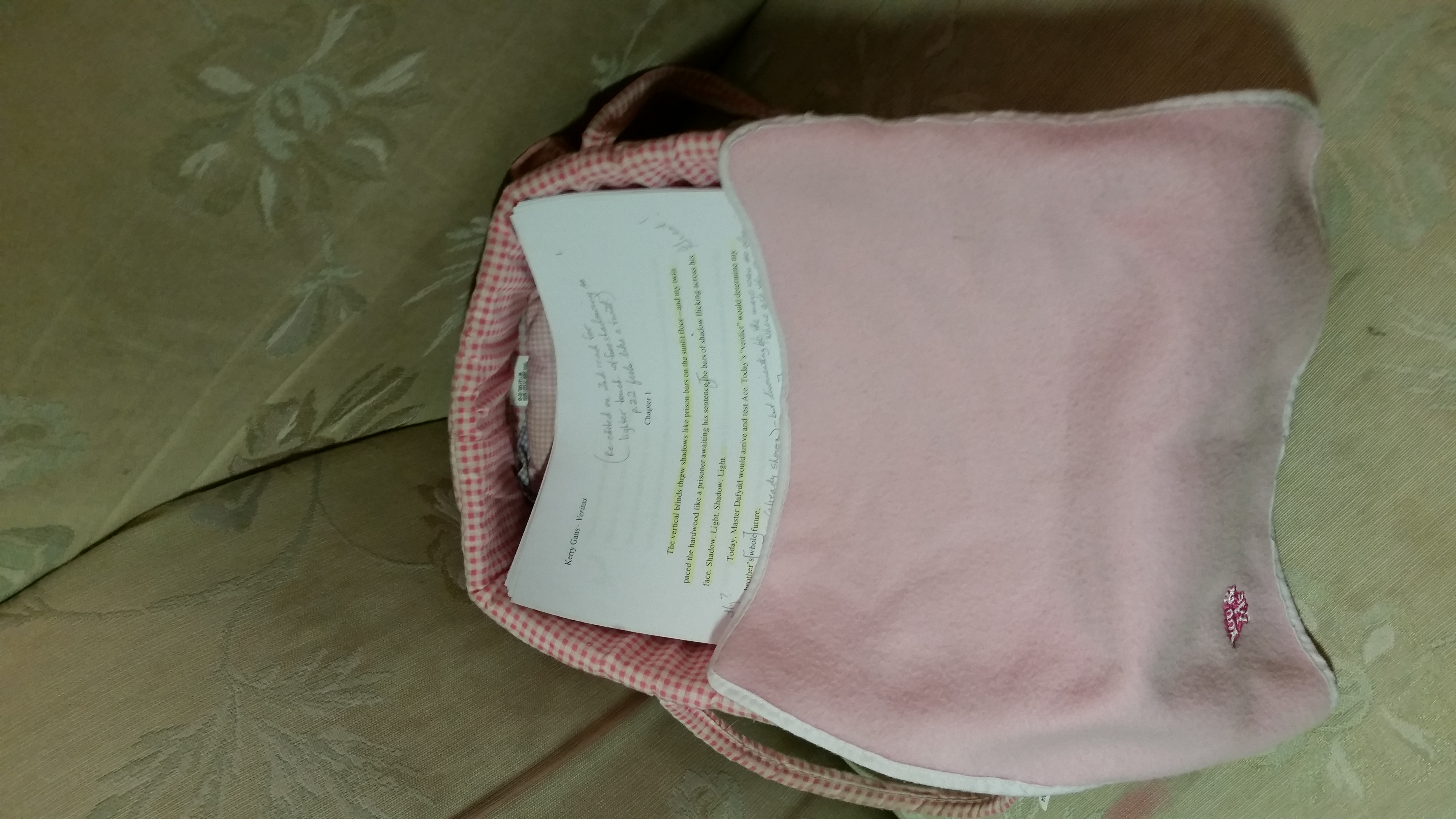
Juxtaposition: Create unease and highlight themes
Sometimes, life gives us contradiction and juxtaposition: when two things that shouldn’t go together are placed next to each other, heightening the contrast. For example, I distinctly remember that 9/11 happened on an absolutely gorgeous fall day. Bright sun, blue skies—the type of day that makes you want to stay home from work. And yet at the same time, the world seemed dark and clouded with smoke and debris. That such evil could happen on a day of such beauty struck me then and strikes me now.
On a different note, in my area the first day of spring brought 6 inches of snow and a snow day for my child. Very atypical, therefore bringing a sense of disorientation and unease to many of us in the area. Sure, we all laughed about it and dealt with it, but many were screaming “No more!” and meaning it. We couldn’t take one more snowflake—and still had a couple more snowfalls to weather beyond that date.
I experienced another jarring juxtaposition this past Easter Sunday. On the day Christians celebrate Christ rising from the dead, I attended a funeral. And, yes, Christians believe God raises the dead to everlasting life in Heaven, but the fact remained that the family grieved for the loss of their loved one here on Earth. One could look at the resurrection of family ties between people who had not seen each other in decades as thematically appropriate, but a funeral on Easter is discordant nonetheless.
We can use this use of contradiction and juxtaposition to great effect in writing. The Harry Potter character Dolores Umbrage comes to mind. A sweet exterior hid the evil inside making her far more appalling than if she had been overtly evil. Contradictions and juxtapositions can foster a subtle sense of unease or highlight something you want your reader to understand.
So when you are trying to raise a certain emotion in your reader, see if you can use opposites to enhance the feeling. Instead of a storm while your character’s inner turmoil is reaching its peak, how about a calm sunny day?