




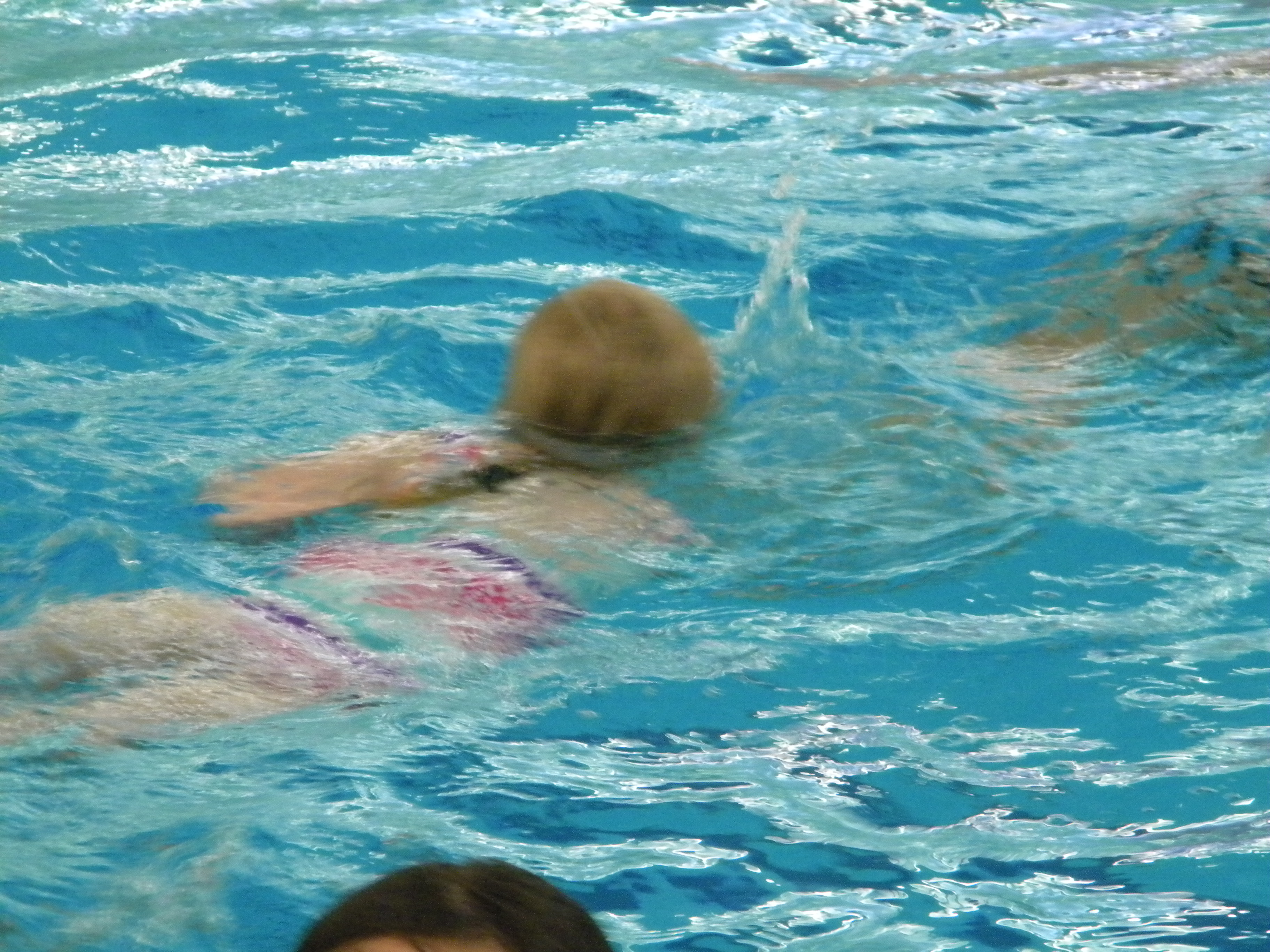
 My daughter’s swim season is drawing to a close. After 3 months of breathing chlorine fumes and sweating through sunscreen, I can see many similarities between swimming and writing.
Technique & Form
Technique is important for swimming. The way your hands enter the water, the precision of your kicks, how you position your head, all combine to power you smoothly through the water.
Technique is equally important in writing. The choice of words, precision of punctuation, flow of elements such as dialogue and metaphor, all combine to bring your voice to life and give the readers a smooth experience.
Technique can also be called “form”. Writing has different forms as well, from poetry to novels. Writers need to master the structure and expectations of their form and genre.
Stamina & Muscle Memory
Incessant laps in the pools increase a swimmer’s stamina. Hours of repetitive practice ingrain the techniques in muscle memory, enabling swimmers to swim faster without having to concentrate so hard in their movements.
Writers who practice their craft also build up stamina, so they can plow through the tough times to get to the end of a novel. Careful study and repetitive practice of techniques store them in a writer’s subconscious so they come easily, allowing the writing process to flow faster and the writer to seamlessly weave the elements together.
Breathing
Swimmers who don’t master breathing will run out of oxygen before the end of a race. Similarly, writers who don’t step away once in a while and recharge risk burning out on longer projects.
Like swimming, mastering writing takes hours of practice to build up those creative muscles, coaches to help you perfect technique, and a cheering section to get you through the hard times.
So pick up your pen, stroke out boldly, and don’t forget to breathe.


Raising the Dead: Giving an old manuscript new life
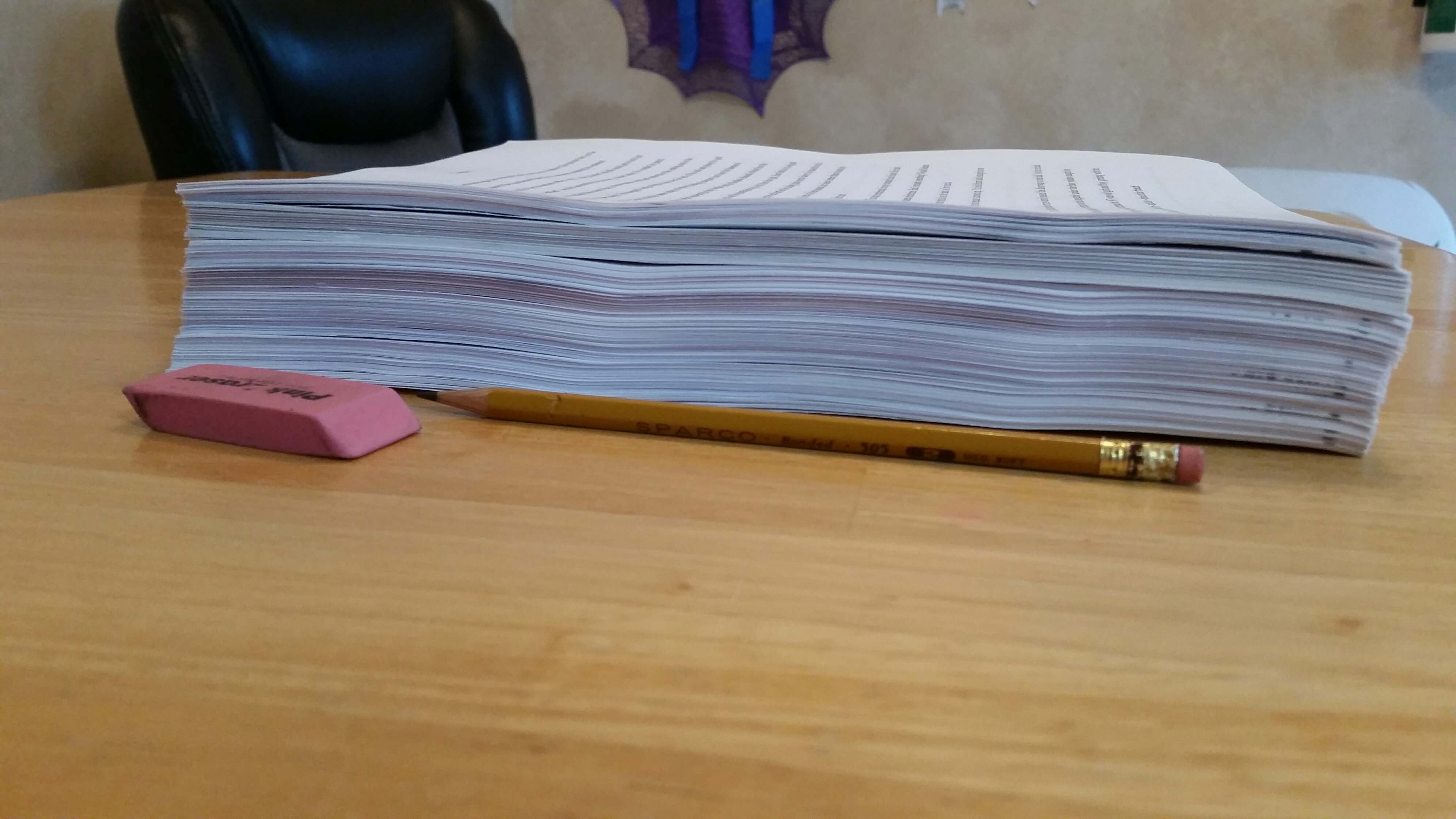
Every author who has written for any length of time has novels in the drawer that didn’t quite make the grade. They are “almost” there, but sometimes we can’t quite figure out what’s missing the mark. For the moment, they are dead novels.
I didn’t know how to fix it, so I put it aside and moved on. Now, though, I am ready to raise it from the dead. I have learned a lot on the past few years, and have new ideas on what might help move the book from “almost” to “ready”.
One tool I am using with this review is Story Genius by Lisa Cron. Her book is meant to be used before you start writing, but can be used to revise. Her exercises focus on the “why” that drives all the character’s actions–and thus the plot. Since the feedback I got from the agents who looked at the manuscript was that they didn’t understand the main character’s driving motivation, Cron’s exercises seem tailor-made for bringing this to the front.
Hopefully my revamping under Cron’s guidance will move the manuscript from “almost” to “there”. I am having fun viewing this story through a different lens. Even at this early stage of revision, I see my protagonist more clearly, and I can hear her voice in my head more precisely than ever before.
Do you leave your dead manuscripts buried? If you do raise them from the dead, what methods do you use?
Save
Save
Save
Save