




I’ve been suffering lately with a condition called frozen shoulder. Basically, it’s when your shoulder muscles become paralyzed and super tight due to not using your arm properly. Mine started back in December with an injury, and the subsequent non-use of my arm led to the frozen shoulder. Contemplating frozen shoulder wandered into thinking about frozen imagination (because my mind wanders the roads less taken).
We often compare our brains to muscles, saying that if we don’t use it, we lose it. Our imaginative muscle is no different—you don’t use it, it gets all atrophied and useless. As a young writer, I had so many ideas, I couldn’t keep up with all of them. They poured out of my brain like Niagara Falls. Now, not so much.
I think I can trace it back to my daughter’s birth. Once I knew I was pregnant, I pushed the stories I had in progress to get the first draft finished before she was born. Then we had the whole infant-daze period, and then I got into editing and revising those drafts. Today, seven years later, I am still revising most of those stories, and have not embarked on a from-scratch novel. I derived my current work in progress from an idea I had many years ago, so even though the novel’s current form is completely new, the ideas and characters are not.
Truth is, I am not feeling very imaginative when it comes to story ideas. New ideas don’t crop up with the frequency they used to, and I find that my thinking within the stories is not as flexible as when I was younger. Finding fresh ways to approach topics and characters is harder for me. Maybe I am simply getting old and set in my ways—or maybe I have not exercised my imagination for so long that it’s flabby and weak.
My frozen shoulder needs physical therapy to get back to working order. It’s hard, and it hurts like heck as I stretch those muscles again. But that’s the only way to get it back—to push the limits and ask the shoulder to work again. Perhaps my frozen imagination needs some sort of therapy as well. I need to ask it to work again, and push past the comfort zones.
Maybe then my frozen imagination will thaw and my brain will feel more nimble.
So how about it, fellow writers? Any good tips for exercising my imagination muscle?
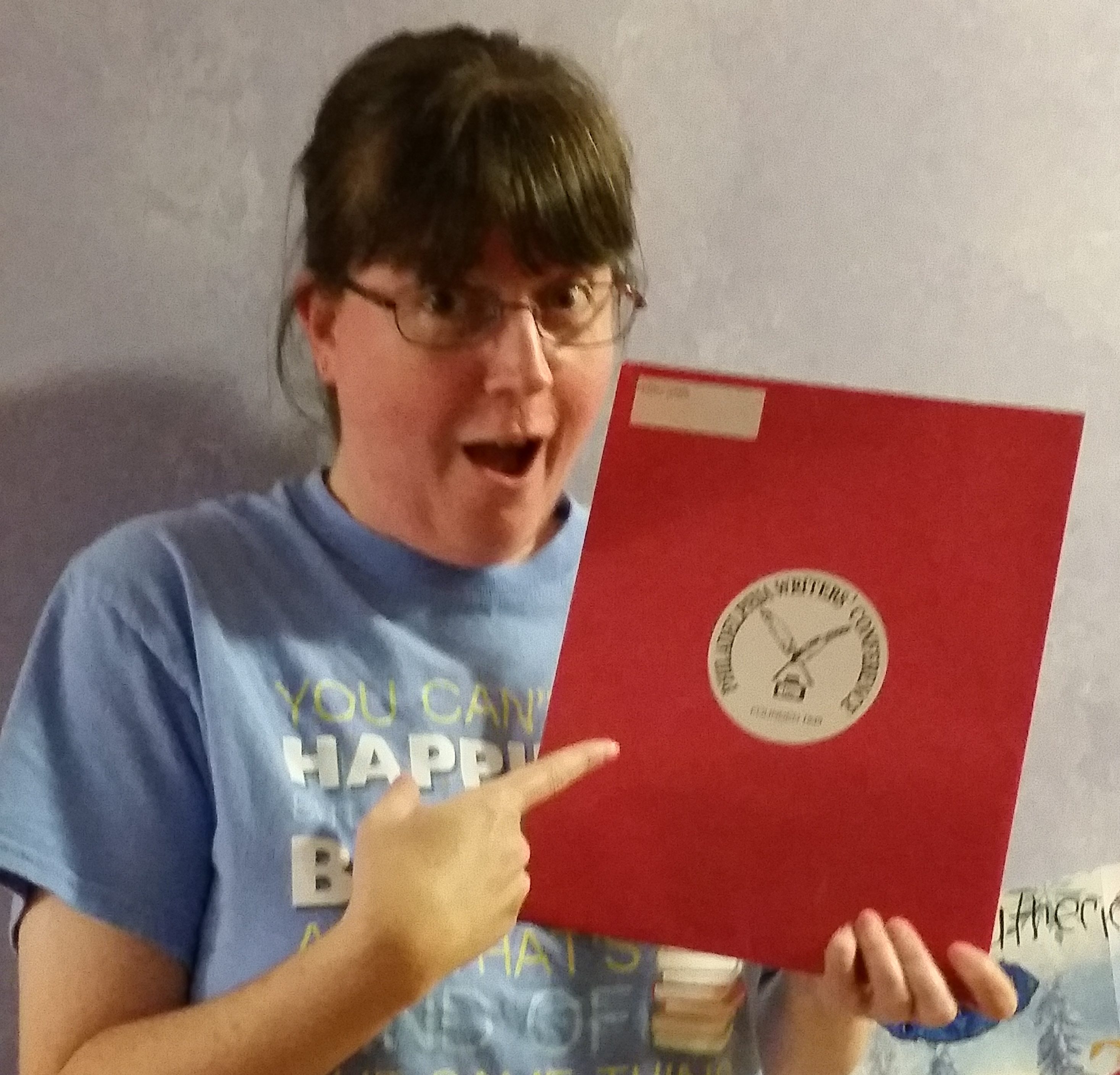
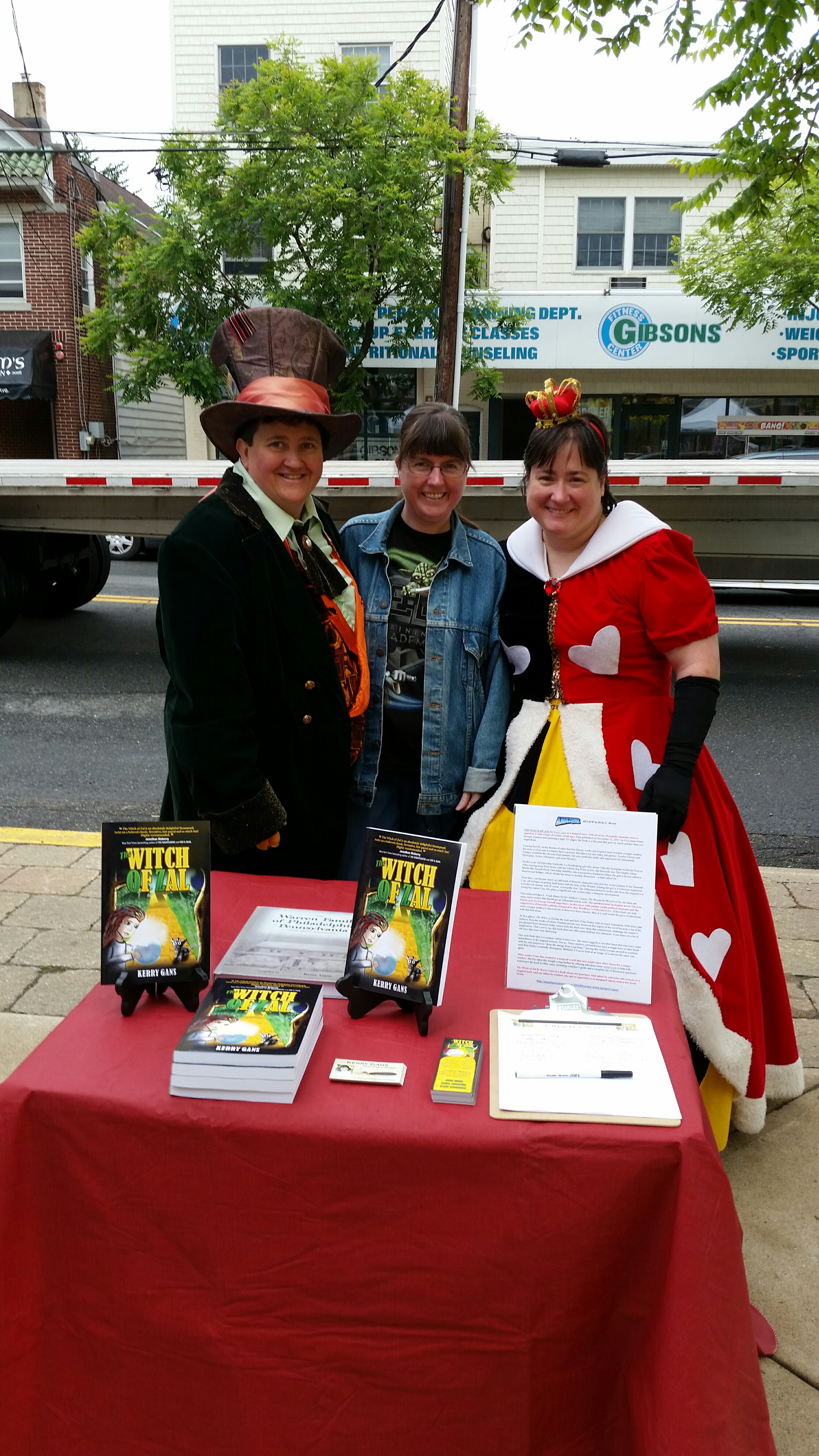
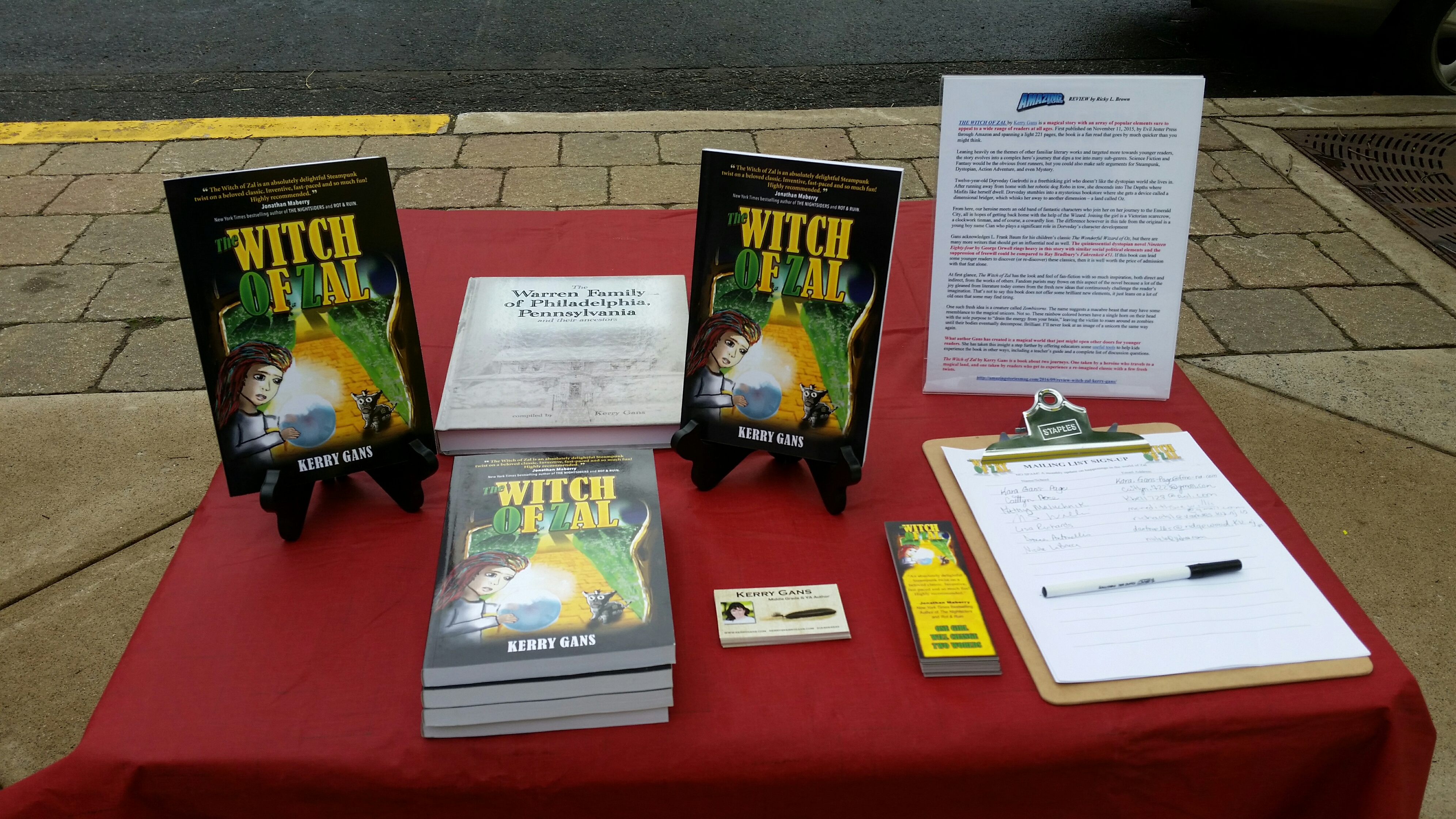
My Biggest Takeaway: Philadelphia Writers’ Conference 2017
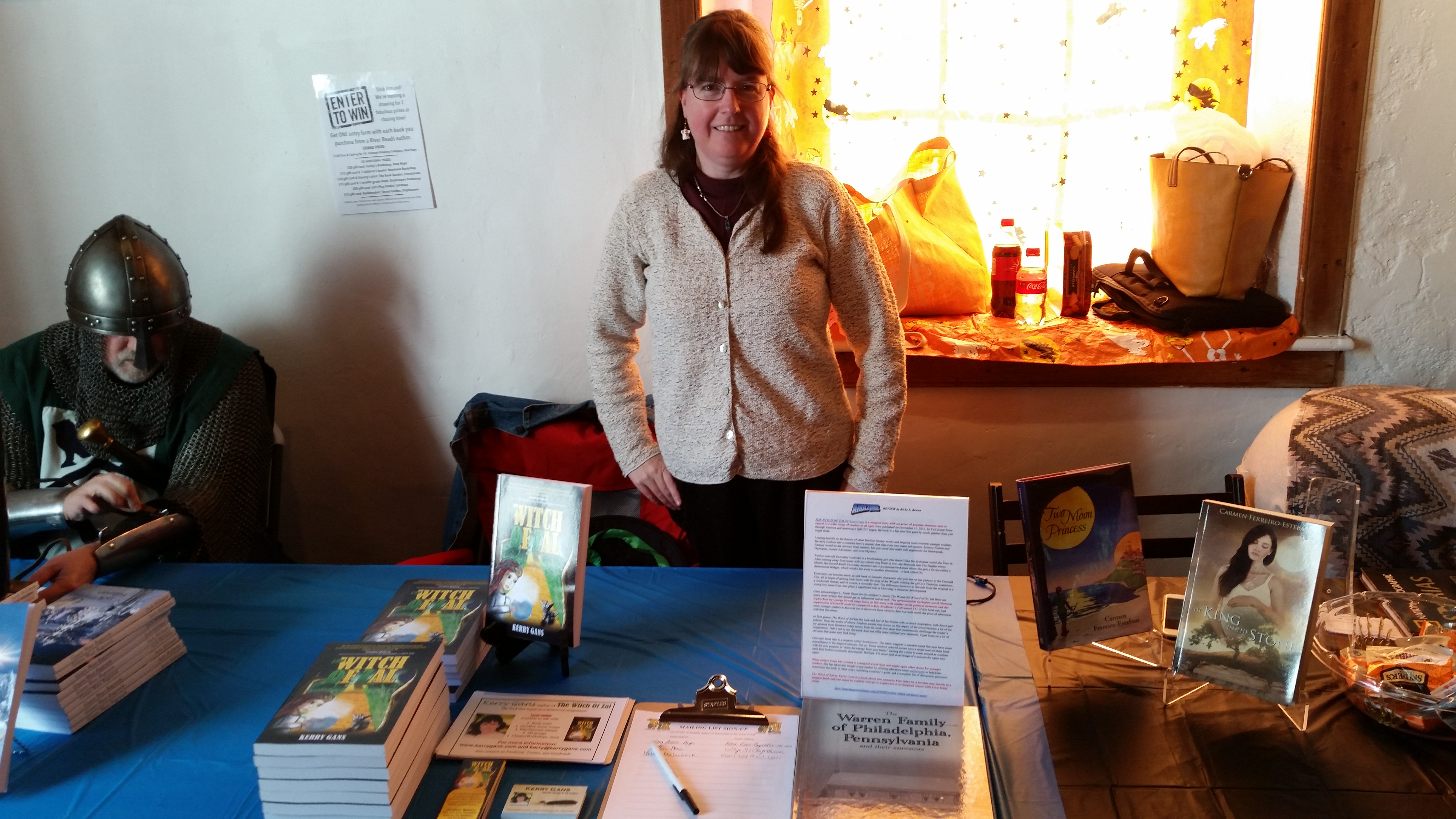
My biggest takeaway from the Philadelphia Writers Conference this year was my own reconnection with people in my writing family. “Kinnections”, if you will allow me to play off Ms. Wisher’s word.
The conference itself was a forum for connecting with people in real life who I usually only see online. Mary Mooney, Doreen McGettigan, and Kelly Deeny crossed my path this year. So did Uriah Young, who I met at his first Philadelphia Writers Conference a few years ago. At that time he was a newbie with a story to tell, this year he’s on the Philadelphia Writers Conference board.
The biggest blast from my past was Jonathan Maberry‘s visit to Doylestown. I met him more than a decade ago, and he has been a large influence on my writing career. He moved to California a few years back, so it was good to see him.
Keith Strunk is another writer friend of long standing. He was part of a group project that stands as a major turning point in my writing life, and also in my personal life, as I got married during the project. Connecting with him both at Jonathan’s book signing and at the Philadelphia Writers Conference was great fun.
Perhaps my biggest career-related reconnection at this year’s Philadelphia Writers Conference was with Denise Camacho, head of Intrigue Publishing. We first met three years ago at the 2014 Philadelphia Writers Conference. At that conference, I pitched a novel to her at the pitch session. Not only was she interested in that novel, but she was very excited about a novel that I had literally just begun. This year, that novel is essentially finished, and she is still excited about it, so I will send it to her after I get final edits back from my editor.
So my biggest takeaway from this year’s Philadelphia Writers Conference were my “kinnections”–relationships built on previous years’ attendance, relationships cemented or expanded by shared experiences. Some people ask why I go to the same conference year after year. There are numerous reasons, of course, but the ongoing connections I build and strengthen every year are a part of it.
Writing can be solitary, but publishing is a communal effort. For me, the Philadelphia Writers Conference is a large part of finding the publishing community to help me succeed.
Save
Save
Save