




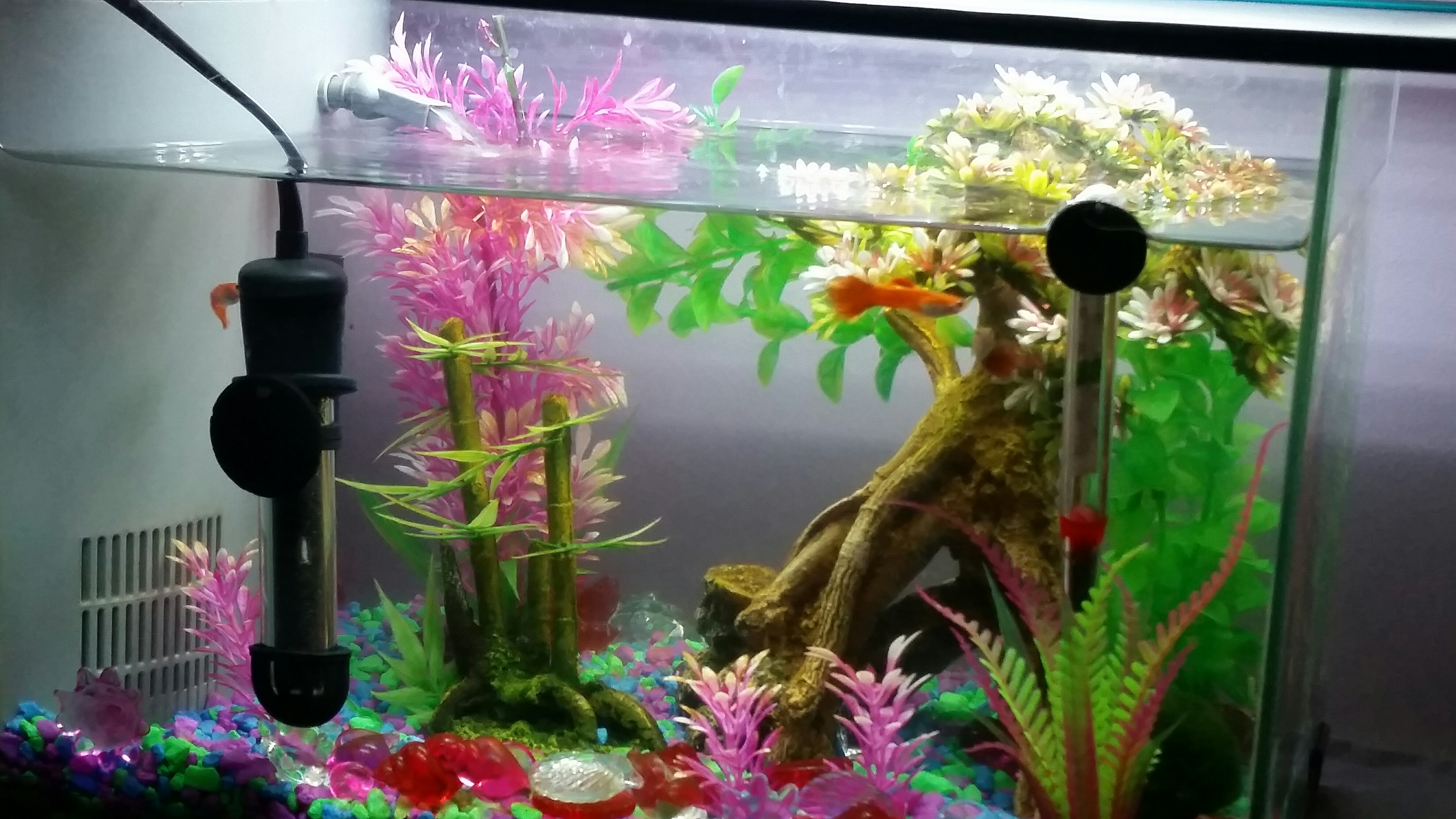
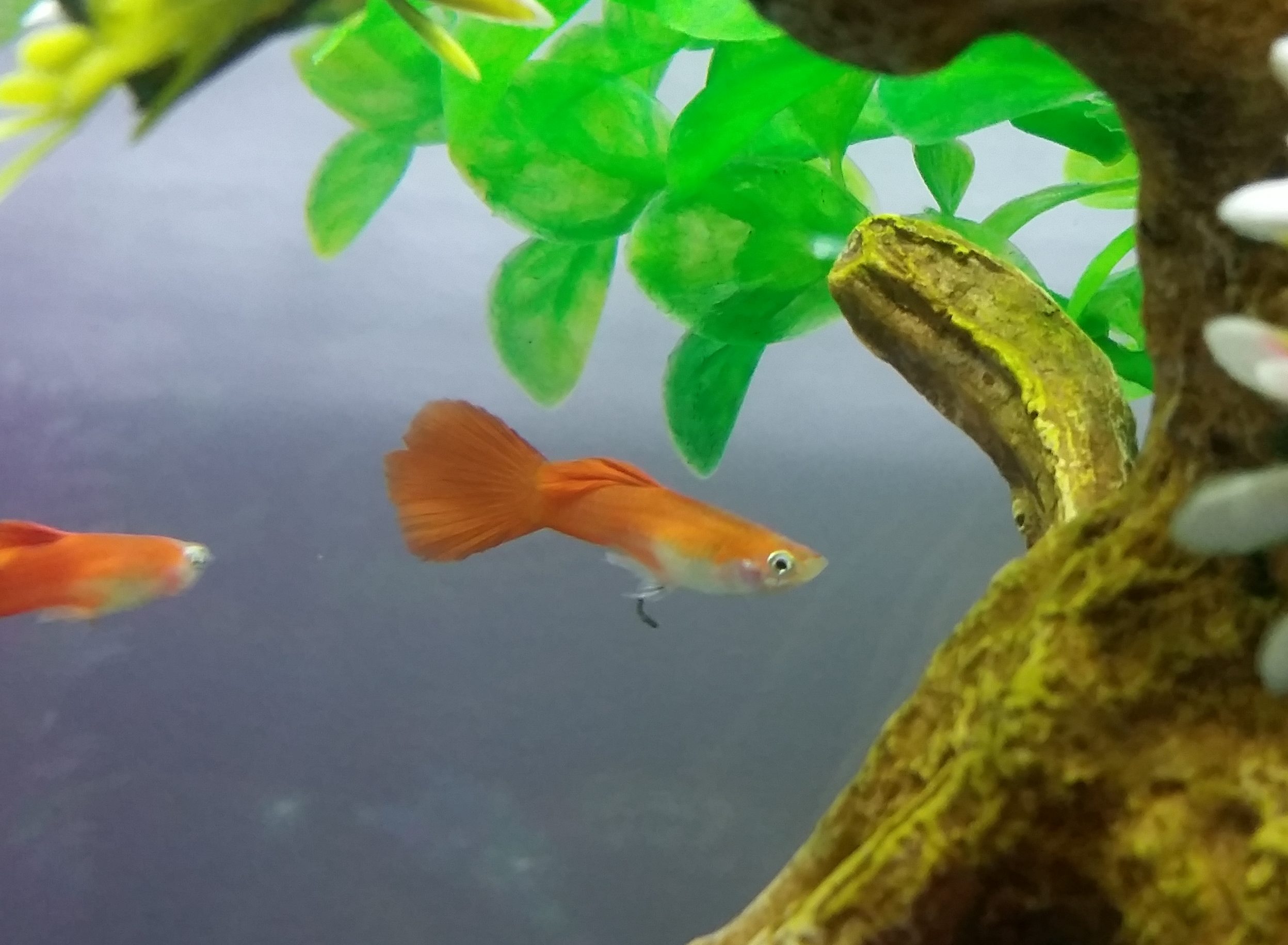
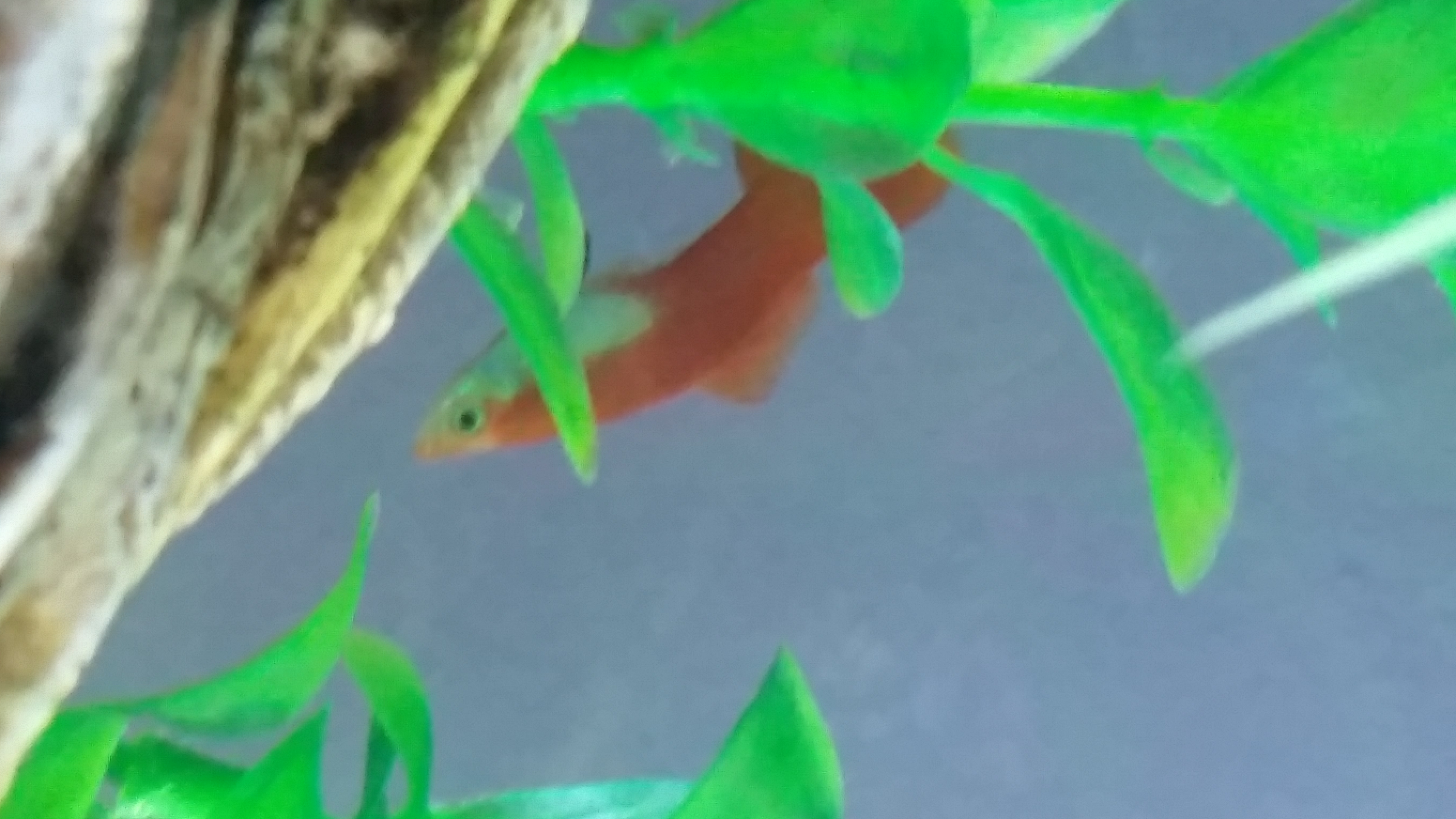
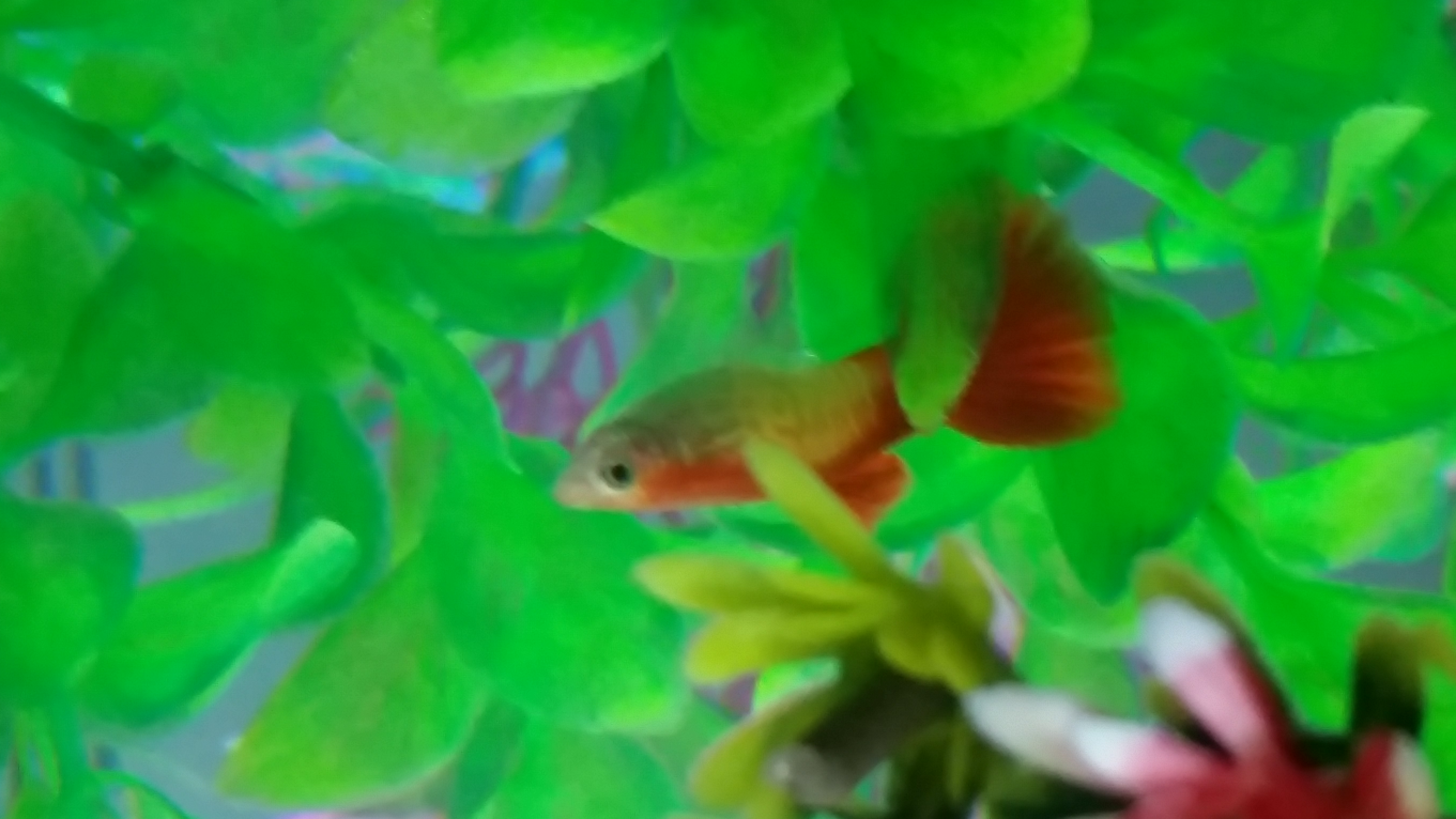
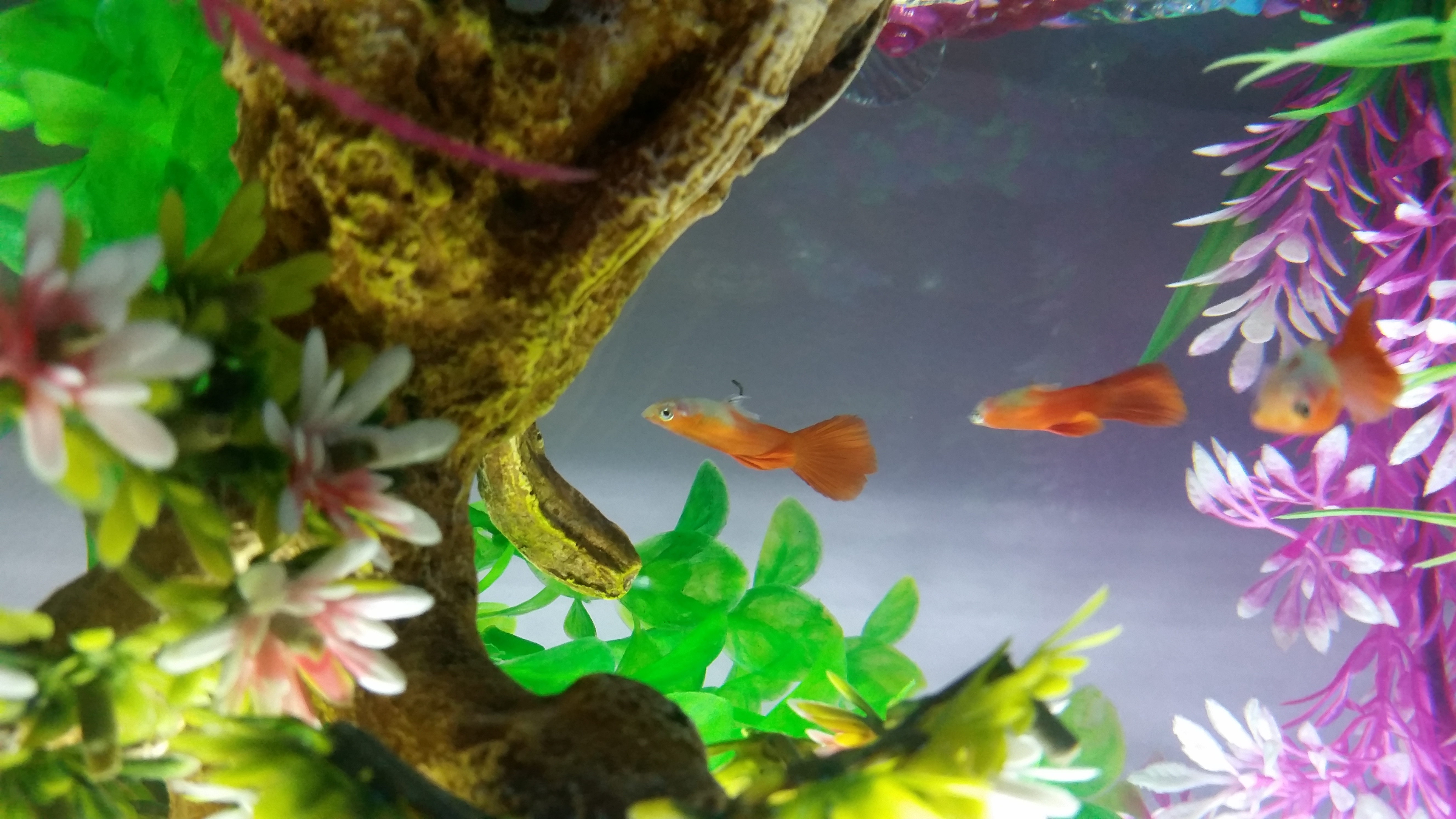
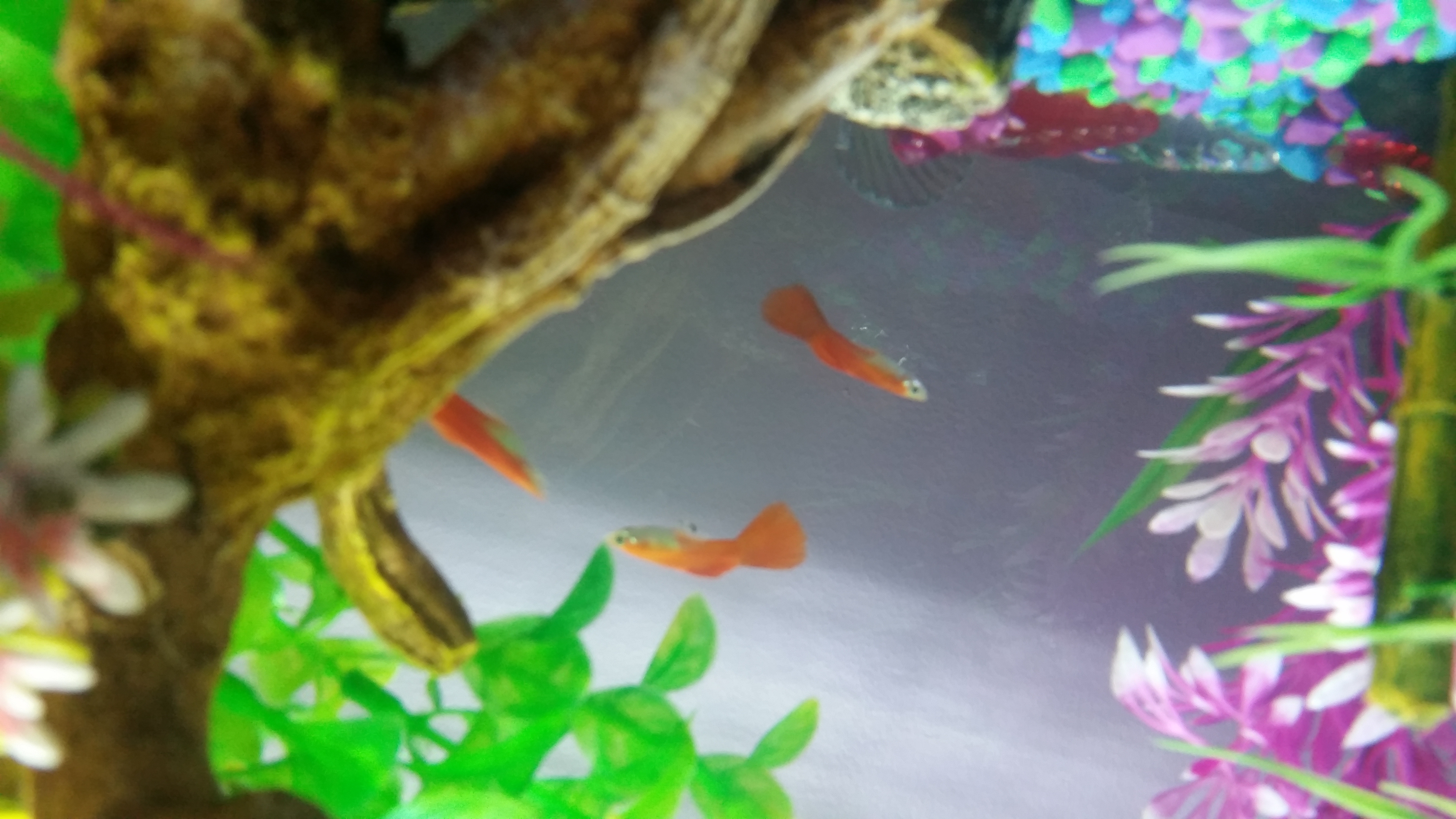
 As regular readers of the blog know, we got a small fish tank over Christmas. Fish were supposed to be easy pets. How hard could they be? Throw some water in a tank, plop in some fish, feed them, they’re good. Very few things in life are as easy as they appear. If we had done a little more research, we would have been more prepared for what happened next.
We’ve had a total of 5 fish, but are down to 3. We lost one (quite literally lost him) the first night, while the second leaped from the tank about a week later and never recovered. How they got out of the tank through a skinny opening in the dead of night we don’t know. But we have fixed this issue with a new cover. A little research may have saved their lives, but who knows?
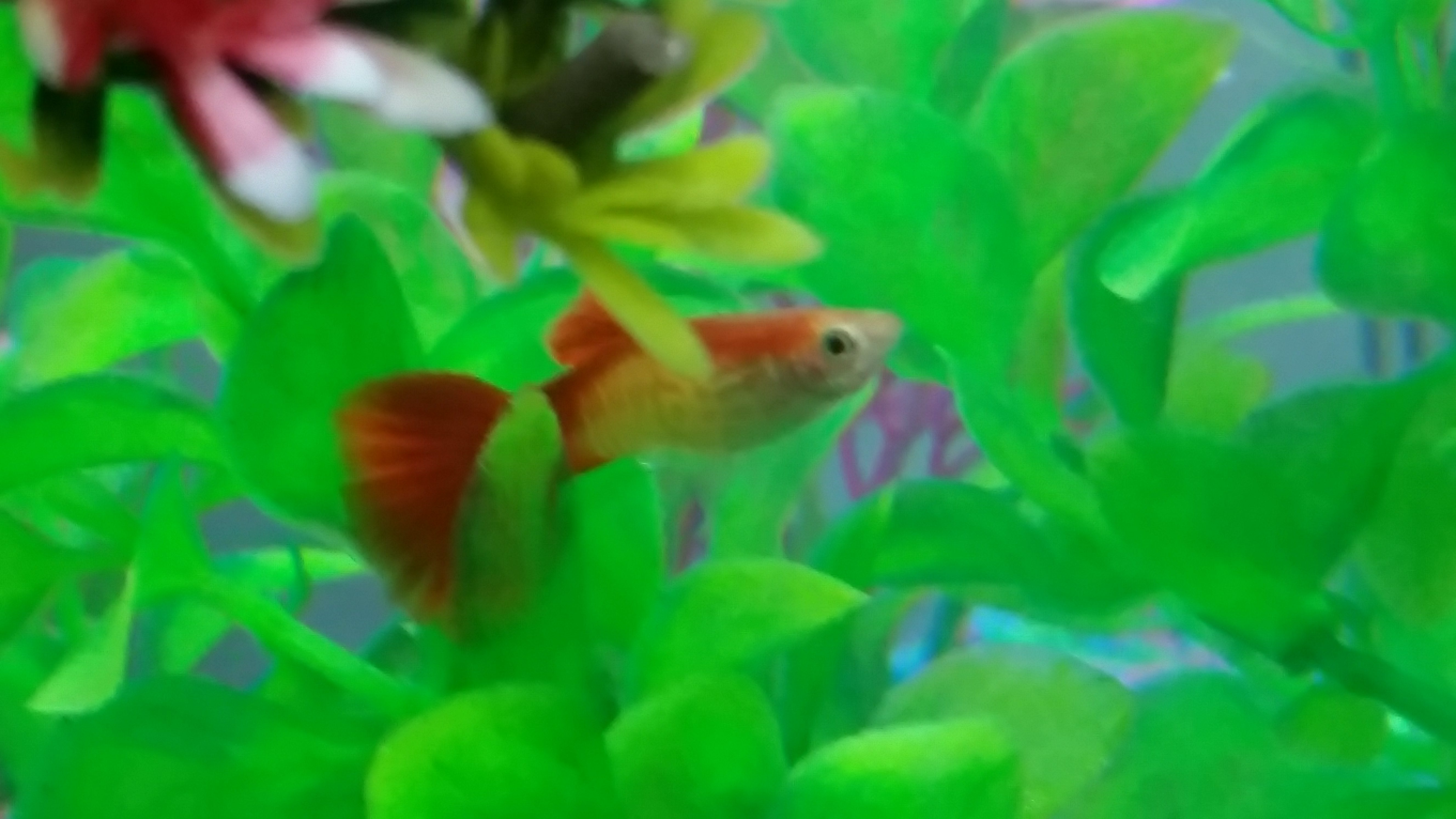
RIP Seashell 1

RIP Sparkleshine
What more research WOULD have prepared us for is the difficulty of maintaining the proper chemical balance in our tank. We let the water sit and percolate for a week before adding the first 2 fish. Turns out we should have let it “cycle” for at least a month, maybe more, before adding the fish. Now we are trying to control the ammonia and nitrite cycle while fish are in the tank, which is very stressful, because a spike in either ammonia or nitrite can kill the fish in a mass extinction event (we very nearly had one a week ago).
So here we are with fish and struggling to keep them alive through this natural aquarium cycling process, when a little more research would have saved us the headache. And the same can happen when writing. A little research in the beginning can keep your manuscript from going off the rails.
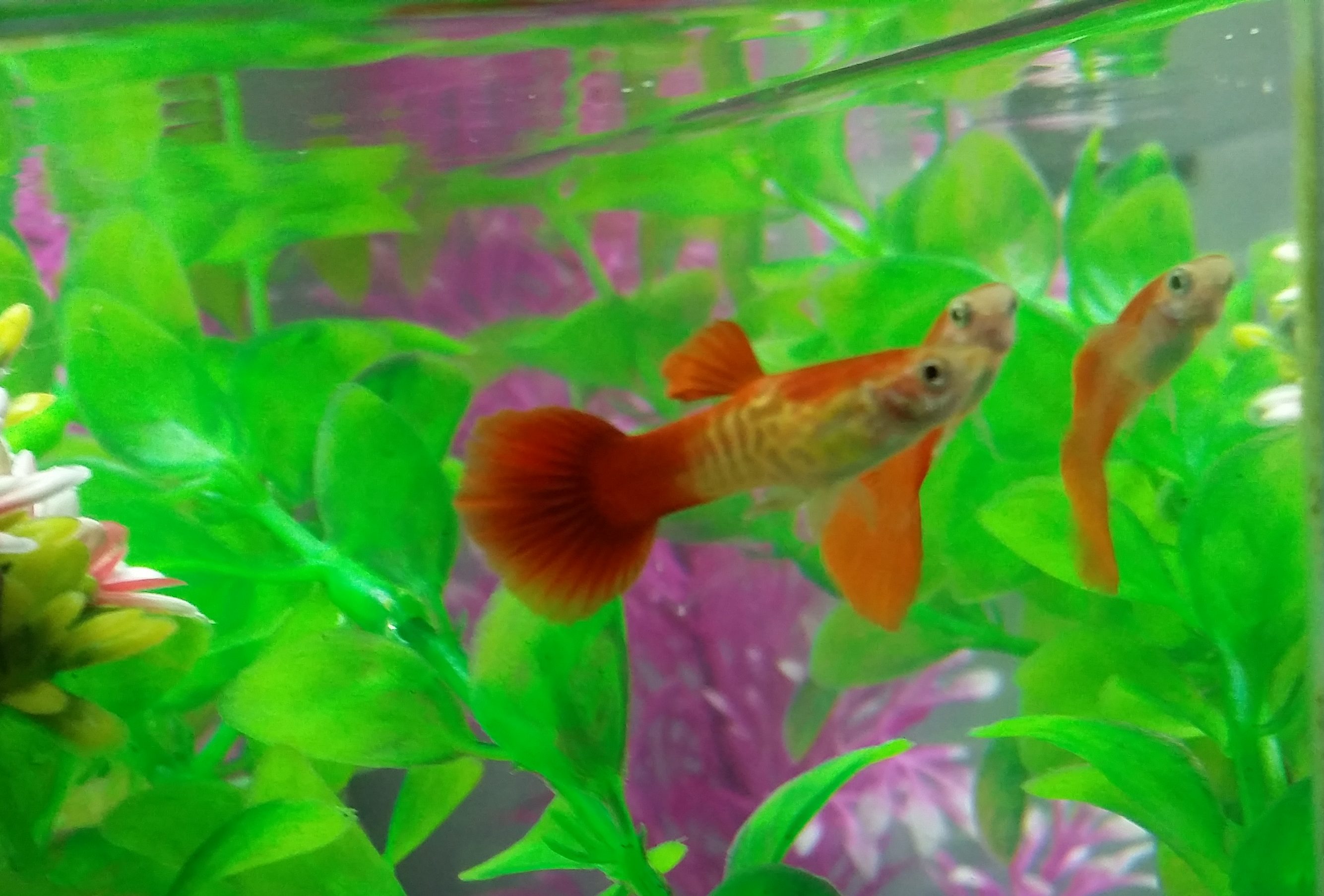
Seashell 2
Some people do extensive research before writing. Some research as they go along. I am in the middle. I do broad-stroke research before I write, and fill in the details as I need them. But by doing basic research first, I know the broad restrictions I need to work within. This saves me from writing the whole book, then finding out I had a fundamental flaw which now requires me to rewrite an entire plotline. So a little research can save a lot of angst later on.
The other thing about the aquarium is that the ammonia and nitrite need to be kept at 0 ppm, or you end up with stressed and perhaps dead fish. Bacteria are supposed to eat the ammonia and the nitrite, keeping the whole thing in balance. But little things can throw the cycle off and suddenly your water is testing in the danger zone.
Gem
The writing life is like that, too—a delicate balance. Writers juggle writing and daily life, often including family and a day job. It’s not easy to keep the water balanced right. One little thing can send one part of your life spiraling into the danger zone. All we can do is keep testing the water and try to head off any problems we see. One way to do that in an aquarium is partial water changes. We can do that in life, too. If one issue is causing undue stress, can we change it up, change it out? Sometimes a small change can make a huge difference.
Research will save you headaches. Balance will save you heartaches. And fish…well, fish are cool when they’re not jumping out of the tank in the dead of night.
When do you research your manuscript? How do you maintain a healthy balance in your life?
Flower










A Safe Place to Recharge
Anyone creative knows that stress can bring your creativity grinding to a halt. My January was an avalanche of physical and emotional stress: family illnesses pretty much every week, an arm injury that is not healing, Donald Trump’s inauguration and the chaos that followed, and the anniversary of my best friend’s death, which always knocks me sideways. My creativity bombed big time. I needed a safe place to recharge.
My tailspin seemed unshakeable. I could still churn out the non-fiction blog posts and query letters, but my fiction vanished. Something outside myself had to bring my focus back. I found that something at Kathryn Craft’s Craftwriting sessions.
My anxiety disorder niggles at me in the best of times, and this January exacerbated it to the limit. I cannot write in that frame of mind, and it is exceedingly hard to “snap out of it” when you are in the depths of the spiral. When I told Kathryn how my anxiety was acting up, she said, “You know you have a safe place here.”
Yes, the term “safe place” has been politicized of late (what hasn’t been?), but we all need some places in life where we feel physically and emotionally safe. Ideally, home is one of those places. If we are lucky, we find other places outside the home where we feel safe. Without that safety net, being creative can be too frightening.
This is especially true at Craftwriting, where we end each session practicing a craft element by writing a scene, and then share it with the group. It can be terrifying to share your first-draft word vomit with a group of people, some of whom you may never have met before that day. Yet we do it, because Kathryn has created a safe place for us to share even the rockiest of writing.
Don’t get me wrong, we do not indulge in the pats-on-the-back, participation trophy type of false praise. We are professional writers, we are there to learn, and we cannot learn without honest feedback. However, we don’t couch the feedback negatively. We talk about what is good about the writing. We offer suggestions of what might be done in future revisions to improve the technique we were studying. But because we are all equally vulnerable (we all had the same 25 minutes to write something—anything—after all), we choose to uplift rather than tear down. I have been taking Kathryn’s Craftwriting workshops for years, and I have never had a negative experience. This is a testament to the atmosphere and expectations Kathryn sets, and the character of the people who come to the workshops.
This round of Craftwriting has done more than (hopefully) improve my craft. It has shaken me out of my daze, and forced the creative flow back to the surface. I’m writing again, and the writing itself is helping me find the stability I had lost in my tumultuous January. I feel more like me again.
And it’s all because I had a safe place to recharge my battery and refocus my mind. Many thanks to Kathryn and the wonderful participants of the workshops for providing me with exactly what I needed reconnect to my writing.
Do you have a special place to recharge or to reground yourself when you lose your writing mojo?