




I recently have been getting involved on the DNA side of genealogy. It is a science, so there’s a lot to learn. Fortunately, I have always liked science. I am new to this, so I have barely scratched the surface of what there is to know.
So far, I have found about 20 “cousins” and how we connect in our family trees. That’s always exciting! They have ranged from 2nd Cousin 1x Removed to 8th Cousin 1x Removed. One of my new connections is actually a branch of the family that my mother’s family lost touch with some 55 years ago! The older members of our family who remember each other are still alive, and are happy to be back in touch.
 The other exciting thing about DNA is that it can confirm your paper research. Finding matches with these other cousins has enabled me to confirm many of the lines I have been researching for years. The red parts of the fan chart below are ones that I have found DNA matches for. In case you’re wondering, most of the unproven lines are Irish. Either my relatives haven’t tested, or there aren’t many left to test. For instance, I know that my Sutton family largely died out several generations ago, so any remaining Suttons will be quite distant from me.
I was hoping to solve a mystery 185 years in the making. In 1839, the Bergin family emigrated from Ireland to Australia, but left their 7-year-old daughter Johanna behind. I have a Johanna Bergin that would have been the right age, from the right area in Ireland. Research suggests strongly that she is the left behind girl. I have been working with an Australian descendant of her brother, and we had hoped that DNA might prove the tale. However, he and I didn’t match—which doesn’t prove anything, because we are just on the line where as cousins we might not share DNA even if we are related. I am trying to have him move his DNA to another website where my mother’s is, in hopes that a closer generational distance will unearth some DNA connection.
Many people do DNA testing for the fun of finding out their ethnicity. It can be fun to see, but keep in mind that the ethnicity estimates are just that—estimates. They will vary from company to company, as the algorithms are different, although they will be mostly similar. I got a good laugh over 2 tests showing me having <1% Oceania/Melanesia ethnicity when my parents don’t show any DNA from there.
There is a danger in DNA testing, though. In forums online, an amazing number of people who test have found they are not who they thought they were. Many find out that their father wasn’t their father, or their full sibling is only half. It can also shake out family secrets from farther back, when you don’t match anyone from, say, a grandparent’s line, but do match a whole bunch of names that aren’t on your tree. While the ethnicity is only an estimate, the actual DNA doesn’t lie.
I am enjoying exploring my DNA, and expanding the family as I do so. Hopefully, it will help me break down some “brick wall” ancestors at some point—although it hasn’t yet. I look forward to learning more about this science and my family!




Rejection: A Mother’s Perspective
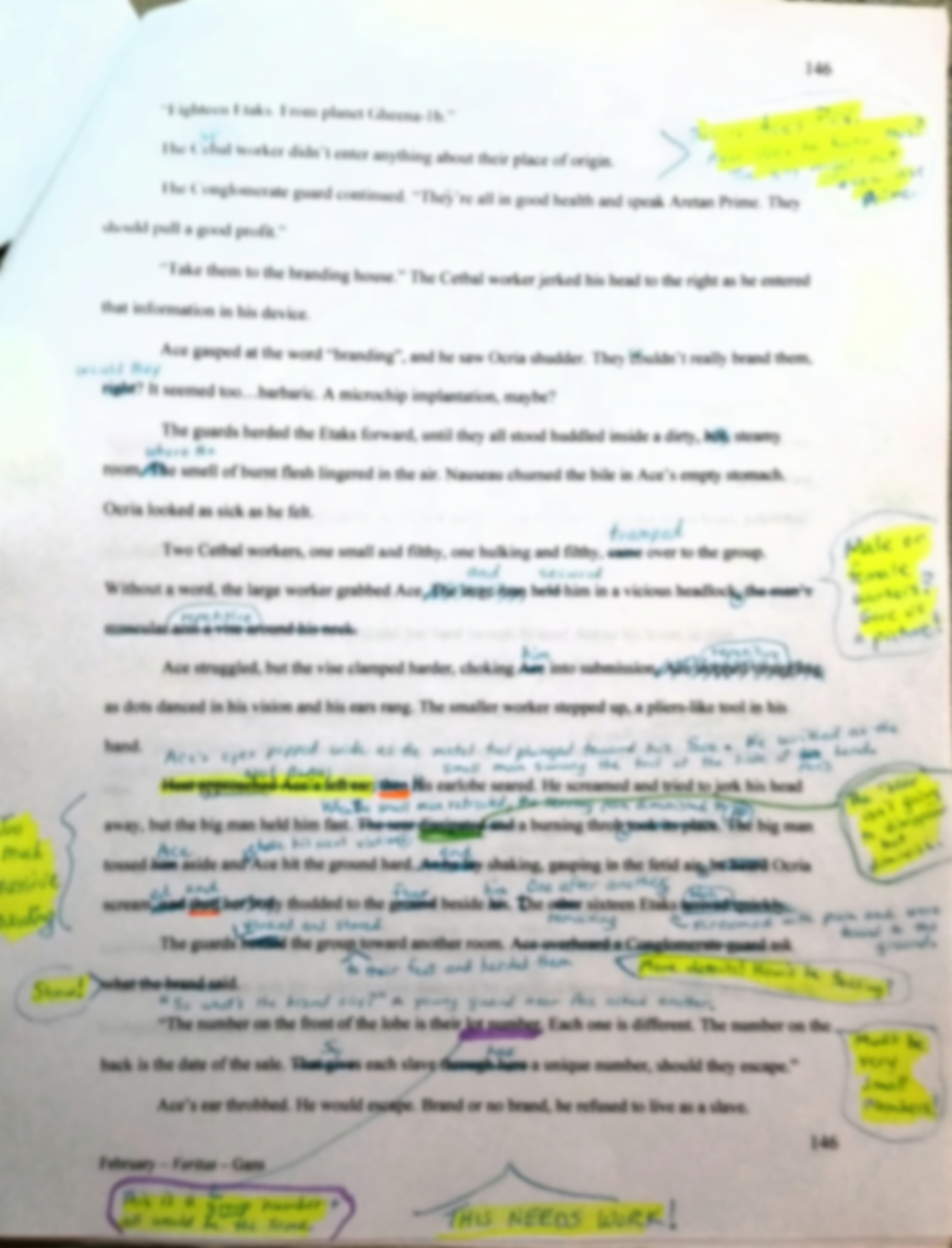
Writers experience a lot of rejection–from agents, publishers, even readers. And it’s never fun. For some writers, the pain of rejection makes them question if they want to continue writing at all. That’s understandable, as a rejection of your work can feel very personal.
Story Baby
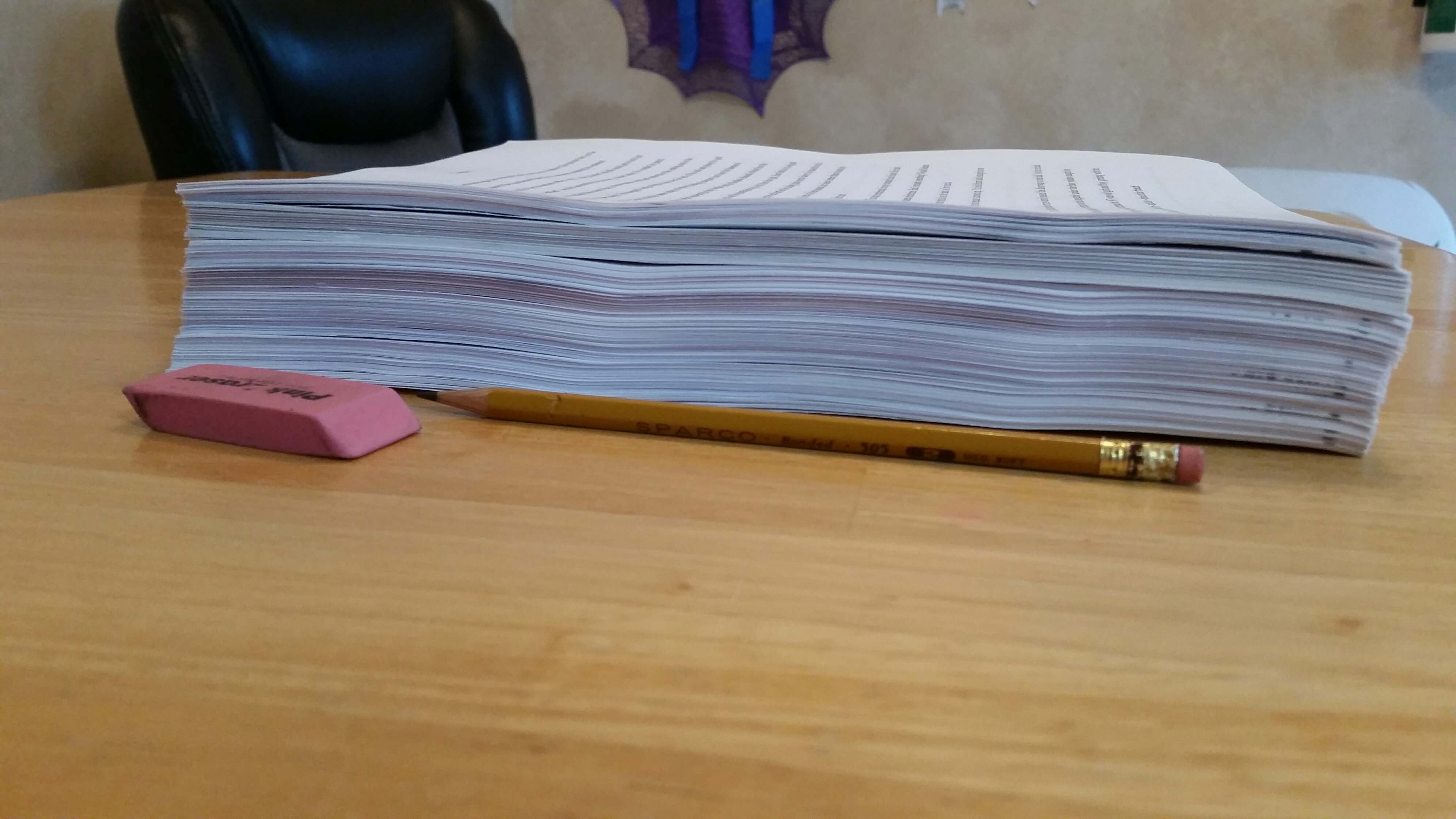
And why wouldn’t it feel personal? A writer spends months, sometimes years, perfecting their story. Many of their own emotions and experiences bleed into the story, making the opinions of others feel like a judgment on themselves. Indeed, many writers refer to their works as their “babies”—and what’s more upsetting than someone telling you your baby is ugly?
But here’s the thing—our stories are not really babies, even if we do “carry” them much longer than many pregnancies. But that fact is an awesome thing, because that means the rejections and the bad reviews don’t have to hurt as much, because none of that rejection is permanent.
With a real baby, you only get once chance to do it right. All of life is a first draft, with no possibility of revision, no Undo button. With a real baby:
You can’t put her in a drawer and give up when the going gets tough in the messy middle.
You can’t go back and rewrite the story arcs that didn’t go the way you intended.
You can’t reword the harsh dialogue you spoke to her yesterday.
You can’t make a scene unfold exactly the way you wish to make her happy.
You can’t make sure the boy that made her cry on the playground gets his comeuppance.
You can’t manipulate time to focus on pleasant moments and speed past the painful ones.
Most of all, you cannot hold her in your arms and protect her from the world.
We all want to share our stories with the world. And it’s terrifying to put something you love out in the public eye. Rejections sting. A horrid review can wound deeply. But neither of those things spell the end of your career. In this day of self-publishing, you can always put out a revised version of a book that didn’t quite measure up. When one book doesn’t work out, you can write another one. Unlike with a real baby, you can start over when things go awry. You don’t get only one chance to do it right.
So when you start to suffer the slings and arrows of outrageous fortune, try to remember: it’s not personal, and it’s not The End.