




A long time back in a post on The Author Chronicles blog, I talked about author theme—a theme that seems to recur in every book by that author. In that post, I realized that all of my current WIPs deal with individuality, with the struggle to be yourself and still be accepted and find a place to belong. So that seems to be my primary author theme.
 Recently, I have found another author theme that seems to pervade my work—that of connection to the past, of problems set in motion well before the protagonist came into the picture. Perhaps this is an outgrowth of my fascination with genealogy, or perhaps it’s because I have a soft spot for Chosen One narratives. After all, Chosen Ones are, by definition, chosen by someone or something else outside themselves—usually because of events that happened before they were born or able to influence their own lives.
 In one WIP, the protagonist’s problems start with something that happened when his uncle was a young archaeologist. In another, the secrets parents kept threaten to tear apart sisters. In a third, a battle 300 years in the past is influencing the present. In a fourth, a conflict of beliefs between her grandparents and her mother force hard decisions on the protagonist. So in many different ways, decisions made by people in the past propel the protagonist into the adventure of the present.
 This is not the same as predestination. My protagonists are free to reject or pick up the task handed to them. They are free to handle the situation as they see fit—not as others deem proper. And even though the decisions of the past are driving the present, those decisions were not predestined, either—those people could have chosen differently.
So this is not predestination—it is reality. In the reality of our world, we are often impacted by decisions made in the past. Had my parents not moved to Pennsylvania, I would not have made the friends I’ve made or met the man I married. Would I have made other friends and met someone else? Probably. But that would have been a different life, a different narrative. And my daughter would not exist. A daughter might exist, but not the one who exists now. And that would change the future. Every decision our ancestors made led to our existence. Every decision we make, even as a child, changes the trajectory of the future.
As Jane Goodall said: “You cannot get through a single day without having an impact on the world around you. What you do makes a difference, and you have to decide what kind of difference you want to make.”
Who or what made a difference in your protagonist’s past? What difference is your protagonist making today?

Editing Multiple Projects at Once: When It Rains…
It pours. Or in my case, when it snows, it blizzards. We are getting some snow this weekend, and predictions range from 5 inches to several feet. So we will see if this will turn into Snowmaggedon 2016, or be a big bust!
I like to tackle creative projects one at a time (with the exception of when I am burnt out on one story and jump to another for relief). With much less writing time, I prefer to be able to keep the creative part of my brain in one world, one story—it makes my writing time more efficient, since my mind has chewed over the story while I’ve been running around doing life-y stuff.
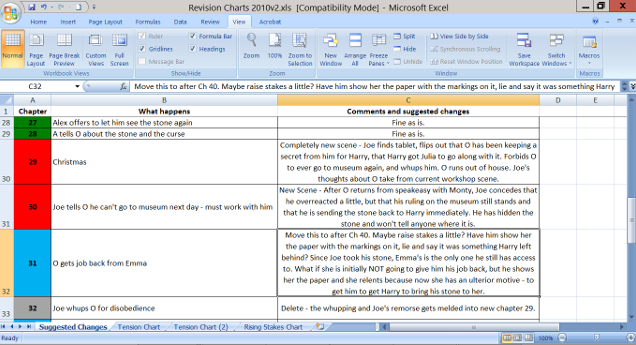
However, I don’t always have the luxury of focusing on one story at a time, and this is one of those times. I am in the middle of a major revision of a YA manuscript, and my middle grade adventure manuscript has come back to me from my co-authors. So now I have two manuscripts to work on—in very different genres, very different voices.
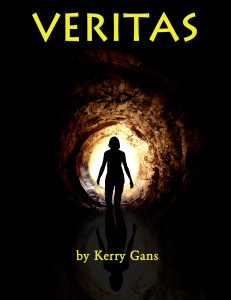
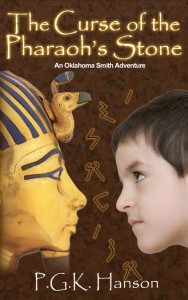
One thing to my benefit is the stage of the writing process for each of them. Curse is in a final proofread/copyedit before I send it out to readers. Veritas is in what I call 3rd draft stage, where I am still working on story, character, and depth. Because the stories are not in the same stage of development, I can switch gears between them a little more easily—copyediting does not call for the same creative muscle as deep revision.
The other thing I do to keep them apart in my mind is that I never work on one directly after the other. In my new work day schedule, I have writing time reserved in the morning (9-11 am), and again after my daughter goes to bed at night (9-11pm). By doing one in the morning and one in the evening, I leave enough time in between to “surface” from one world before diving into the other.
This seems to be doing the trick, although I wonder if it would be the same if I was in, say, drafting mode for both stories.
When you’re working on multiple projects at a time, how do you keep from having them bleed into one another?
Stay warm, people, and if you are in the path of the snowstorm, stay safe!