




When you are a parent of a young child, you often have the pleasure of watching the same movie over and over and over. The one good thing about this is that you get the chance to dissect the movie into itty-bitty parts in a way that you never thought possible. (I could write a doctoral thesis on some of the movies my daughter has binge watched.) Sometimes, even if it’s a movie you’ve seen before, you suddenly see a message or theme you never did before.
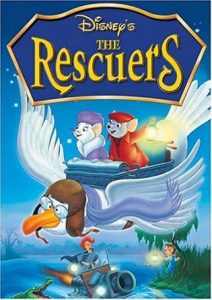 That’s what happened lately with me and Disney’s The Rescuers. That movie was one of my favorites as a child, so I thought I knew it pretty well. But after seeing it for the 100 billionth time, I suddenly realized it had a theme I had never noticed before. (SPOILERS BELOW)
Small people can make a big difference.
Now, perhaps that should have been obvious—I mean, it does star mice who rescue people. I just never saw it before. In the beginning, Rufus the cat asks, “Two little mice? What can you do?” And when the mice first talk to Penny, she asks, “Didn’t you bring somebody big with you? Like the police?” And the mice themselves, in their darkest moment, wonder if they are capable of helping at all.
But, of course, they are perfectly able to save the day—with a little help from other small animal friends.
This theme of being small but capable may be why I loved the movie so much as a child. My author theme is that every child has the potential to change the world—an extension of this very theme. It seems this theme has been in my heart for a lot longer than I realized.
I’ve talked before about another good message kids can take from The Rescuers, but I think this one is something all kids need to hear:
You are small, but not helpless.
In a nutshell, giving kids the idea that they can change the world for the better sends them perhaps the strongest message of all:
You matter.
And isn’t that a message we all need to hear from time to time?




Children: Not Just a Mini-Me
I know many parents joke about their child being a “mini-me”—so much like them that it’s scary. And sometimes it’s actually true. But just this week I was struck with the opposite realization: my daughter is very much NOT a mini-me.
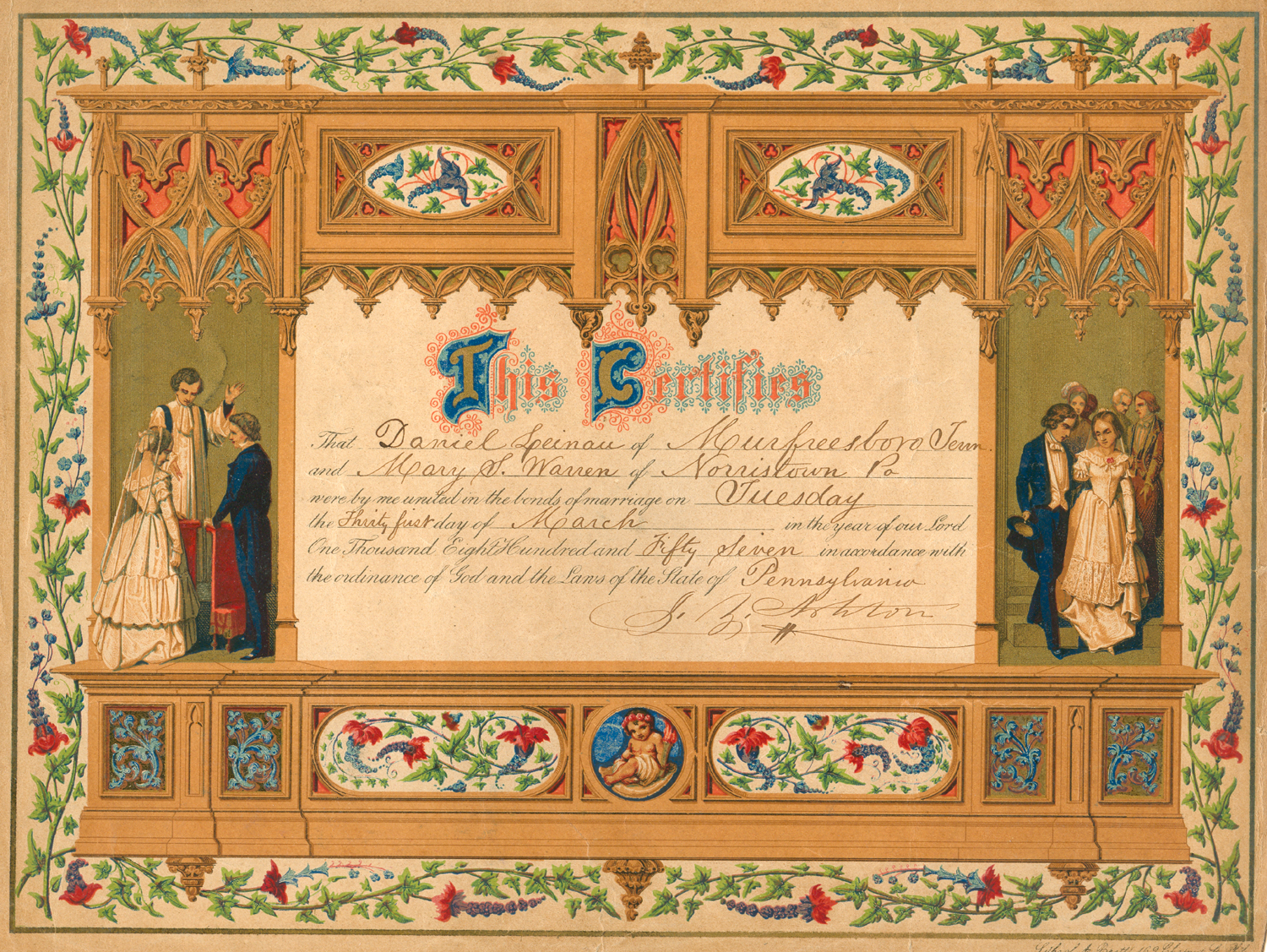
In fact, she has everything she owns get married. Horses, stuffed animals, dolls… She re-enacts marriage scenes from Disney movies. I can’t remember ever playing getting married when young.
I only ever had 2 dolls that I can remember, while Kinder-girl loves her dolls. They are often her babies (making me a young grandma!), until she gets tired of that, then they become her sisters and I suddenly have many more births to my name than I remember.
She is in love with all things pink—a color I have spent a lifetime rebelling against.
Playing dress-up and changing her outfit multiple times in a day is the norm. I couldn’t be bothered with tiaras and necklaces and rings, and if I had my choice I’d be in jeans and T-shirt all the time—both then and now.
Our most obvious difference (aside from our polar opposite physical appearance) is that she is an extrovert, and I am an introvert. She loves going out, and everyone she meets is her friend. If I never had to leave the house, I would be happy.
In other words, she is fully human, and fully herself.
She is not just a mini-me.
While this makes parenting her a challenge—I am not sure if it is harder to parent the parts of her most like me or most unlike me—as a writer I can take a lesson from this. When I create children, I mustn’t make them carbon copies of their parents (unless the story demands it). Certainly, some of the child’s characteristics will reflect their parents, but those characteristics will refract through the lens of that child’s uniqueness.
So I go back to writing while raising not a “mini-me”, but a fully-realized “her”.
Save
Save
Save
Save
Save
Save
Save