

Patience Is A Writing Virtue

After reading my Facebook post on completing my 2nd round of developmental edits and beginning my polish edits, my best friend (not a writer) commented, “Geez, aren’t you ever allowed to FINISH a book?” I laughed and replied “After agent edits and publisher edits, yes!”

Still, her comment got me thinking. Of course I can finish a book—I have completed drafts of more than 16 novels. So getting from beginning to end of a book is not an issue for me. But finishing a book and completing a book are two different things.

Most of those 16+ novels will never see the light of day. And while I may poach themes and characters from them, even plot points, they will never be completed in their present form. Completing a book—making it shine in all facets—takes a whole slew of skills I didn’t have back then. Some are life experience skills and some are craft skills, including both techniques on the page and story theory, learned from thousands of hours of writing and reading.

But the most important skill I learned is patience.

It takes patience to complete a book. As a new writer, I’d finish a manuscript, give it a couple of proofreads, and it would be “done.” Of course, I was mostly writing for my own amusement back then, so the bar was set much lower. Now, with my sights set higher, that level of “done” would never cut it.

Now, instead of saying, “It’s good enough!” I ask myself, “Why isn’t this good enough?” In other words, I look for ways the novel can be stronger. Yes, I actively seek out ways to make more work for myself! I ask critique partners and beta readers and professional editors to poke all the holes in it they can so that I can fill them, learn from them, and raise my writing to the next level.

And that takes a lot of work. A lot of time. A lot of patience. To go back into your manuscript for 7+ revisions can make your head spin. You can get sick of your own novel. You can lose perspective and wonder if it’s any good at all. You can want to throw it in a drawer and move on to something else.

When I was a new (and young) writer, I never could have done what I am doing with my current WIPs. I never could have approached yet ANOTHER revision with eagerness and excitement. I never could have made myself stay up late, eyes like sandpaper, to edit this for the billionth time.

It takes patience to do that. Patience with my work (understanding that this process is not infinite, it will end), and patience with myself—allowing myself the mistakes I make, and learning from them.

The result? I am more excited about my current WIP (now in revision 7 and headed for query land next week) than I have ever been about any other work. Or rather, I am more realistically excited about it, since I now have also learned what goes into making a marketable book.

I said to my writing buddy Nancy Keim Comley the other day that this is the first manuscript I really feel has reached that professional bar. And it only took 16+ novels and 28 years to get here.

Patience. It’s a writing virtue.
 

Developmental Edits: Complete!

I’m on vacation this week, but I wanted to update on how my editing on my current WIP is going. When you last tuned in, I had gotten back my developmental edits from fabulous developmental editor Kathryn Craft. After a few hours of despair (“I can’t do this, it’s too hard!”) I buckled down to it and found that it was not as hard as I thought. In fact, it was a challenge that I ended up enjoying!

Put succinctly, my main problem was that some of my scenes were out of focus, not keeping the main underlying idea front and center. Luckily, I was able to keep most of my scenes and just refocus them (explained in more detail in this blog post). I only wrote 2 completely new scenes and a half of another one. The rest were all repurposed with judicious trimming and adding of content. The edits Kathryn suggested helped a great deal–the story really came together.

Working hard, I managed to finish all those edits BEFORE I left for vacation. I’m going to let it sit until I get back, then go through a final polish/tighten edit. With all the cutting, pasting, and adding of words, I only added a new 513 words, but I would like to trim the whole thing down by about 1,000 words to get it to my ideal word count. Shouldn’t be too hard!

Then (drum roll, please!) I start the query process and see if this manuscript has legs!

Enjoy the end of summer, everyone – I am!

Connecting the Dots: Meeting My Grandfather

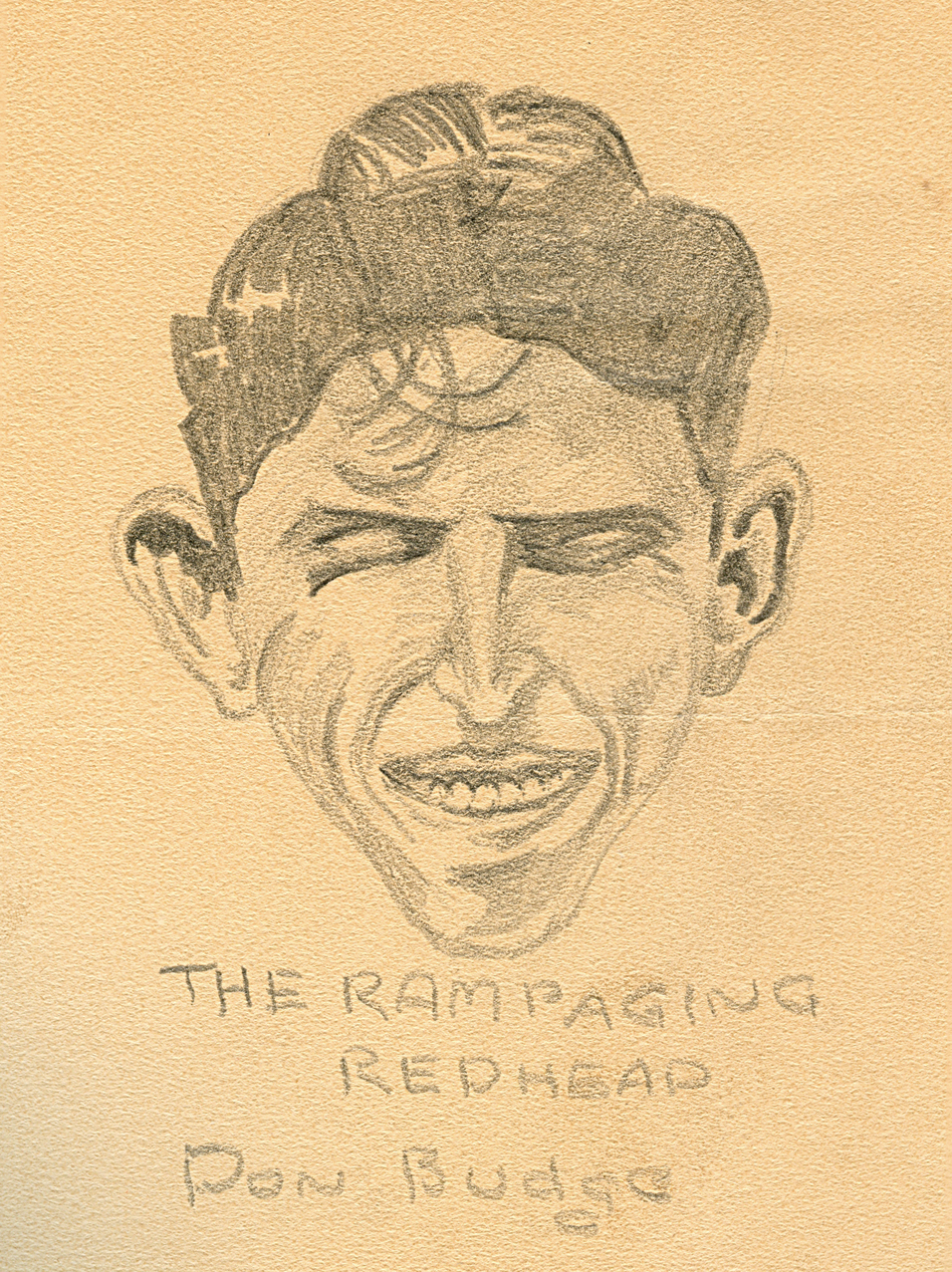
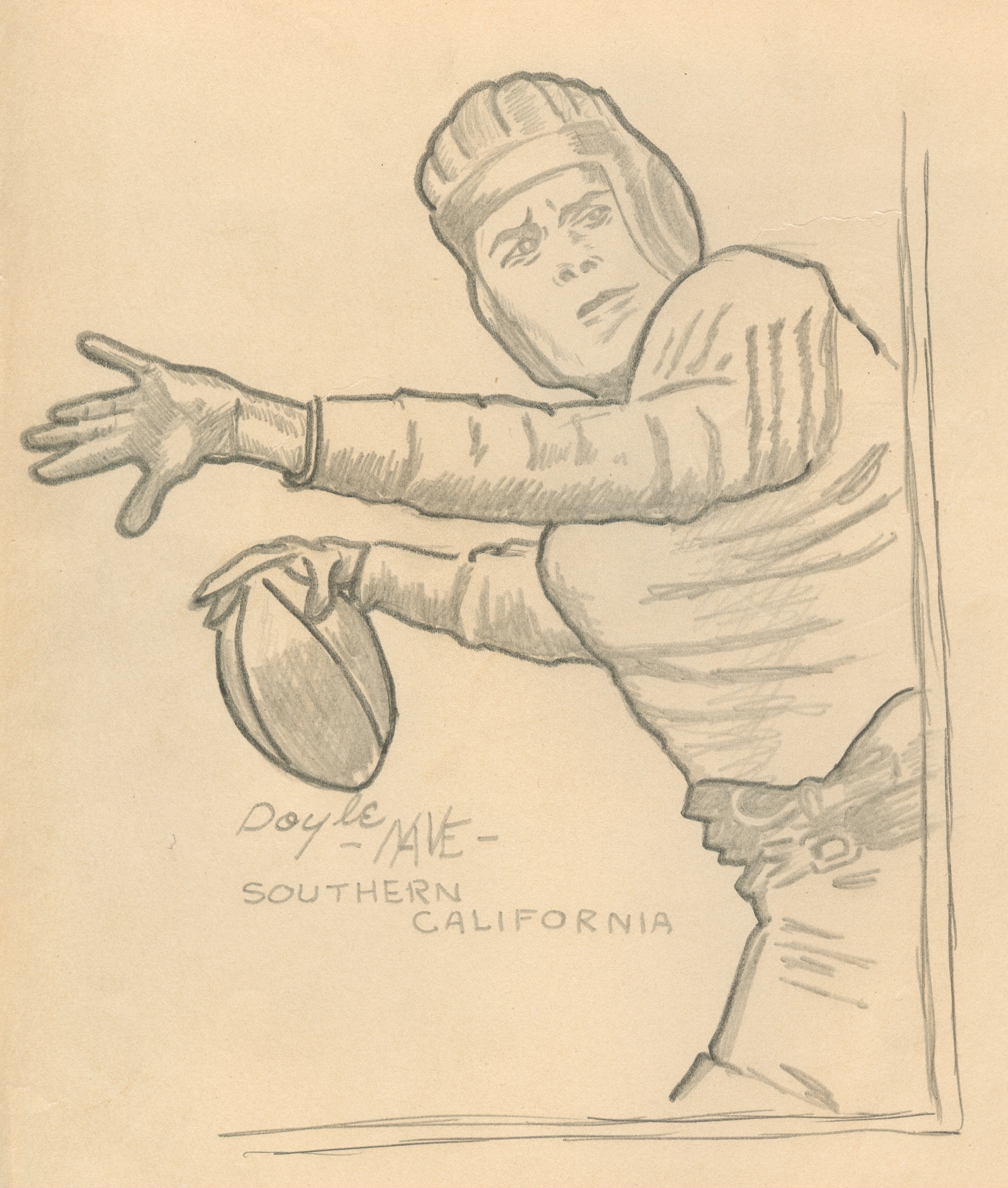
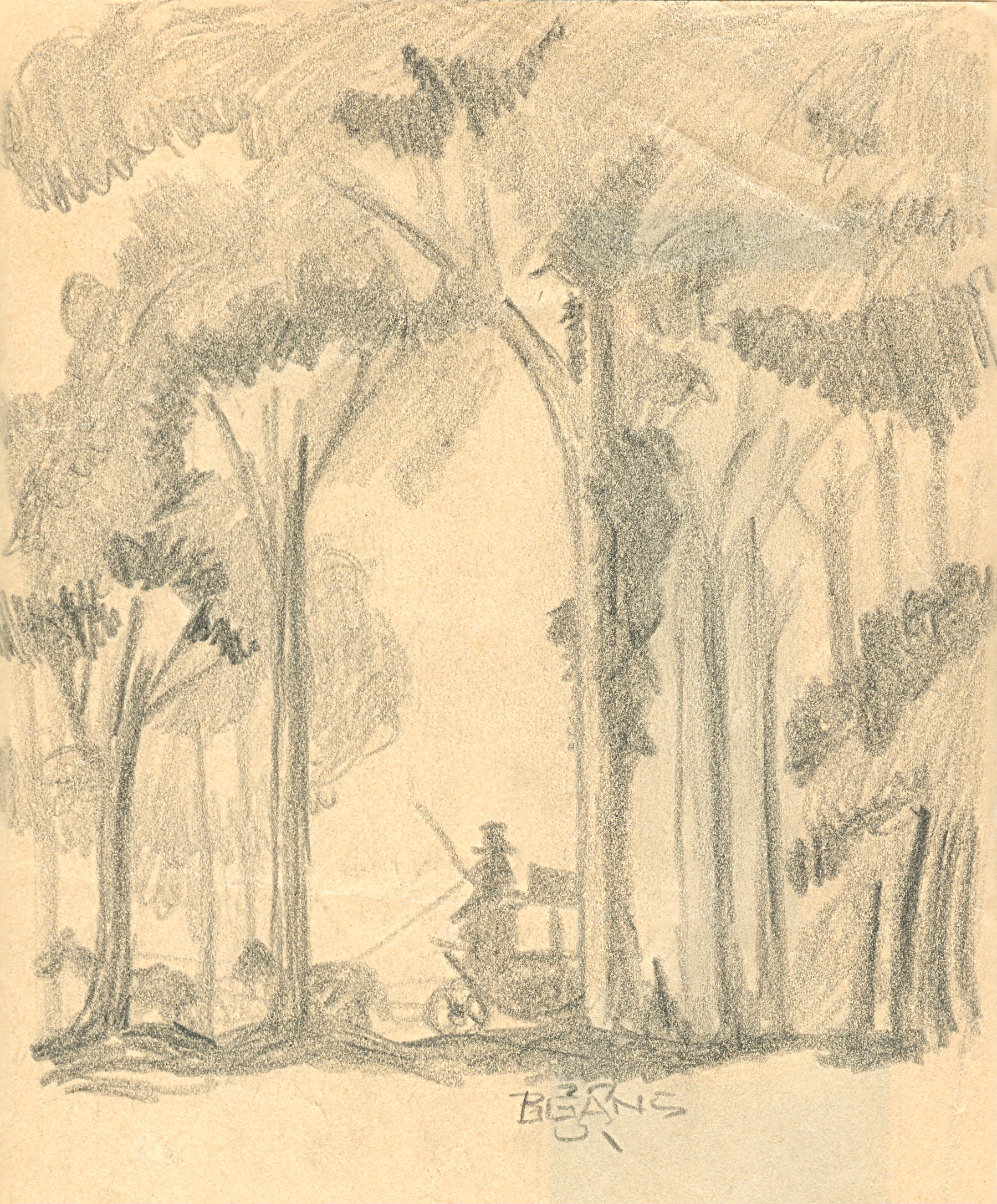
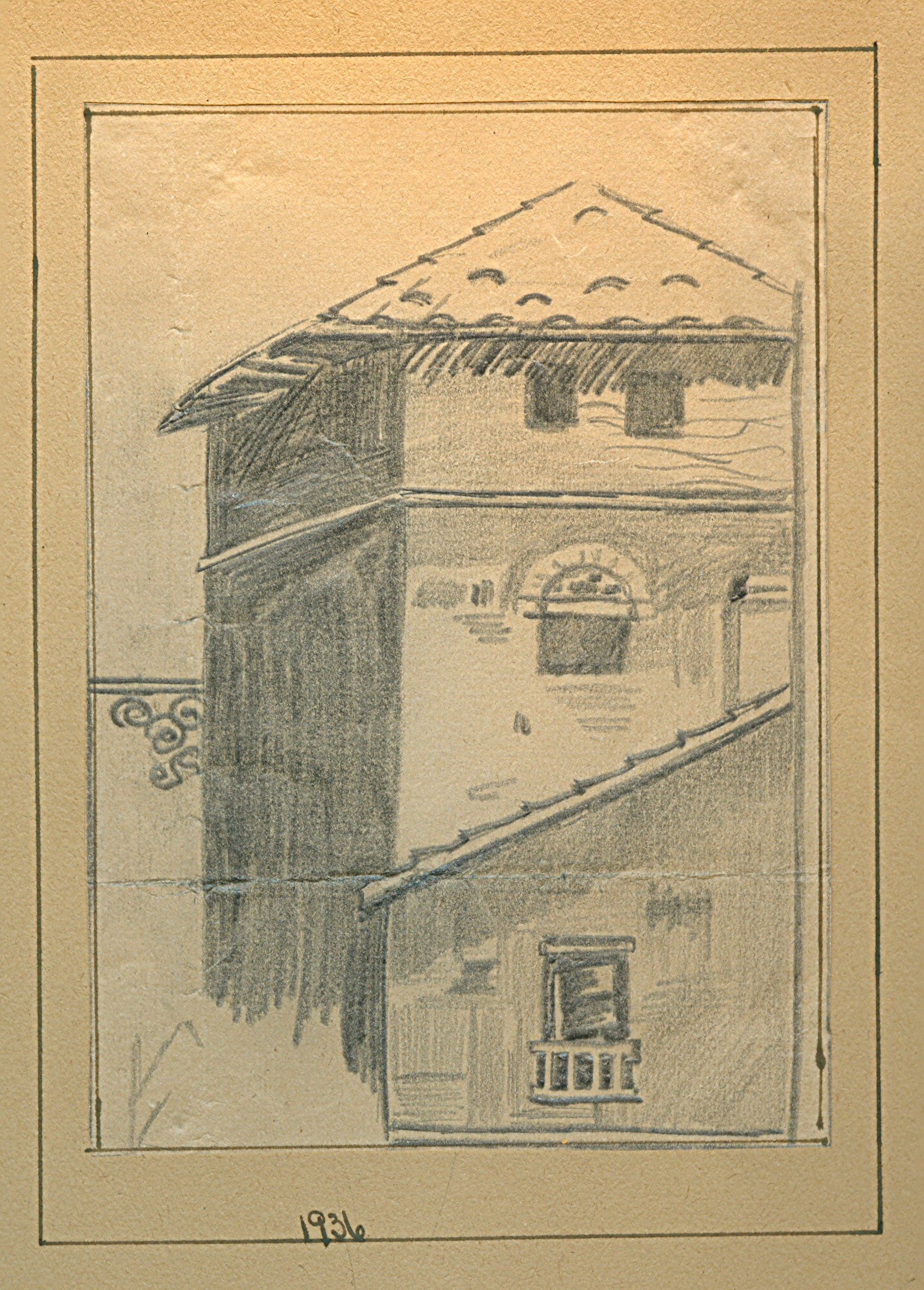
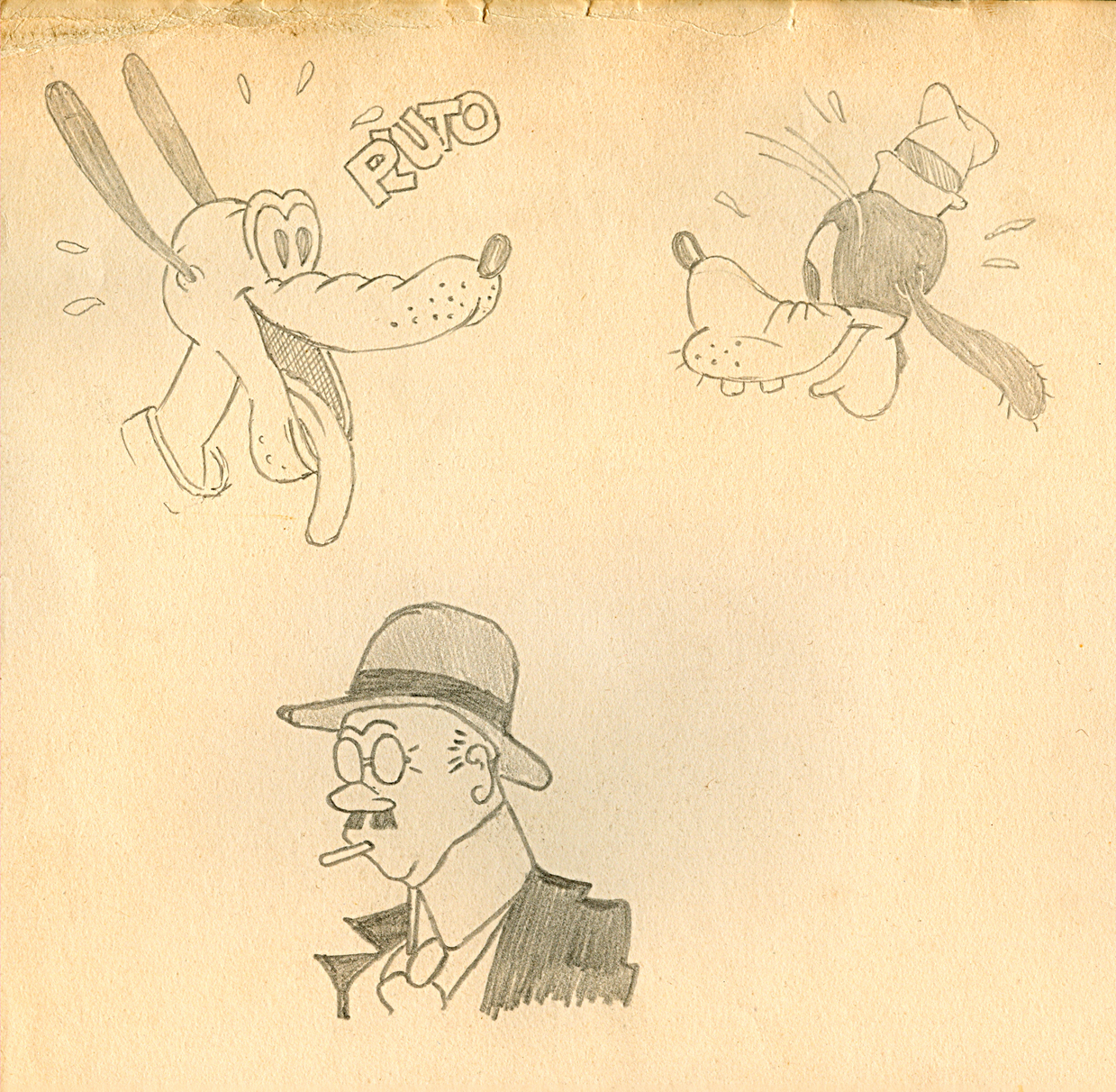
This weekend, I came into possession of my grandfather’s sketchbook. Grandfather Gans died when I was four, so I have no memory of him—just “memories” generated by photographs and a stuffed bunny that he (and my grandmother) gave me for my first Easter.

Three of my grandparents died before I was old enough to remember them, and unfortunately the fourth was ill for some time before she died, so I never knew the real her. In all the most important ways, I never knew any of my grandparents. I have always felt the deprivation of this, especially as I have grown older and become more and more interested in family history.

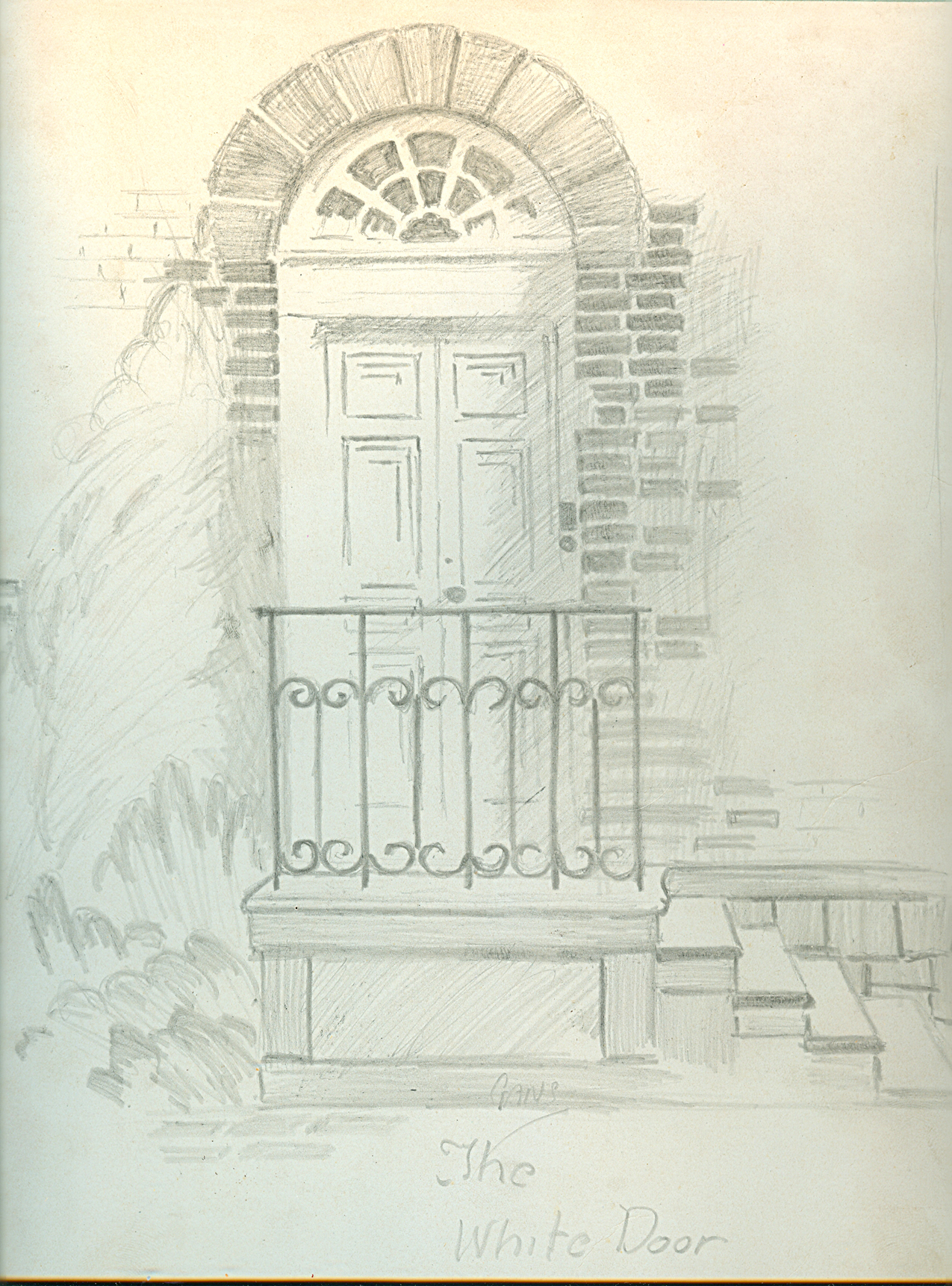
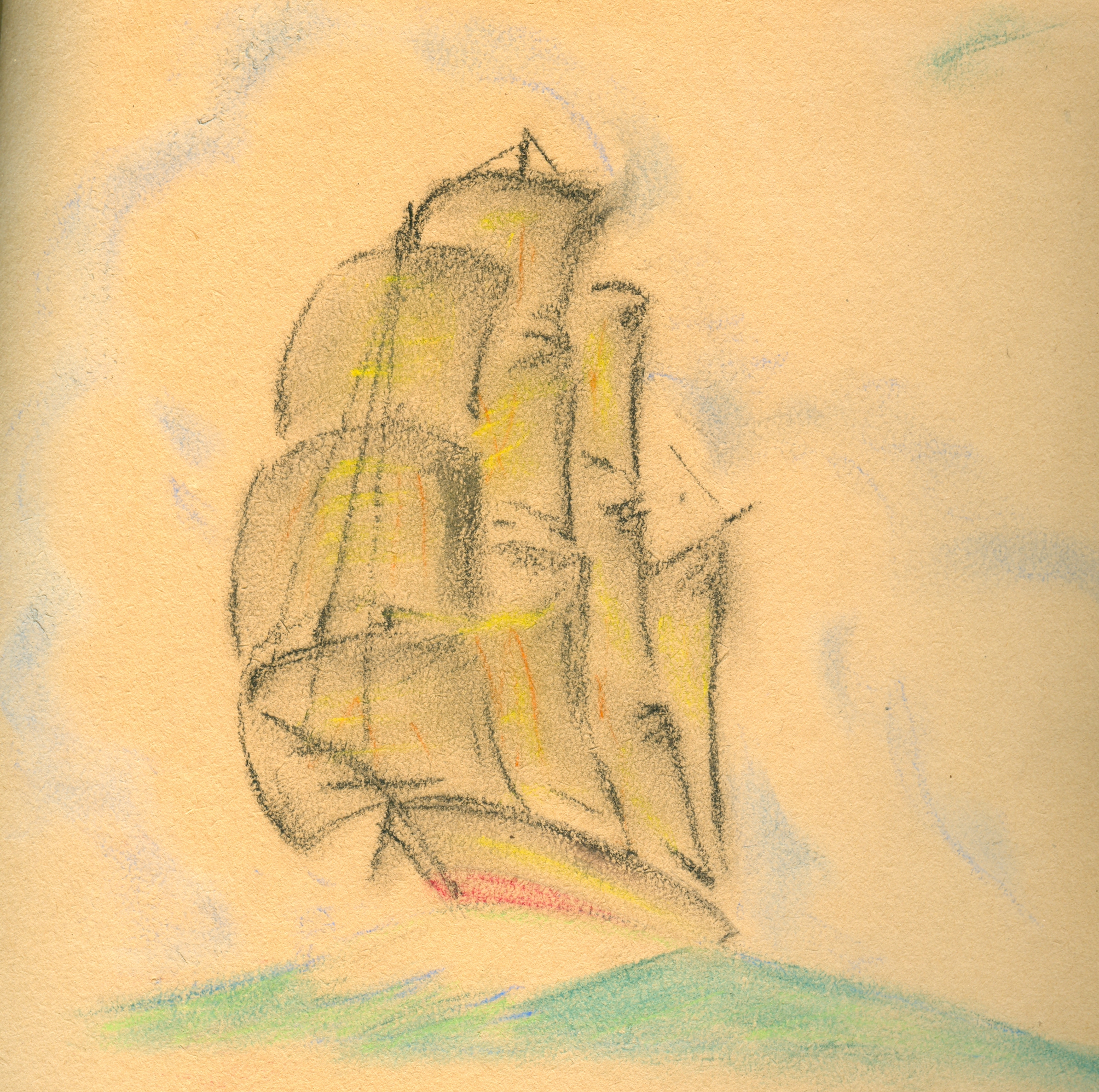
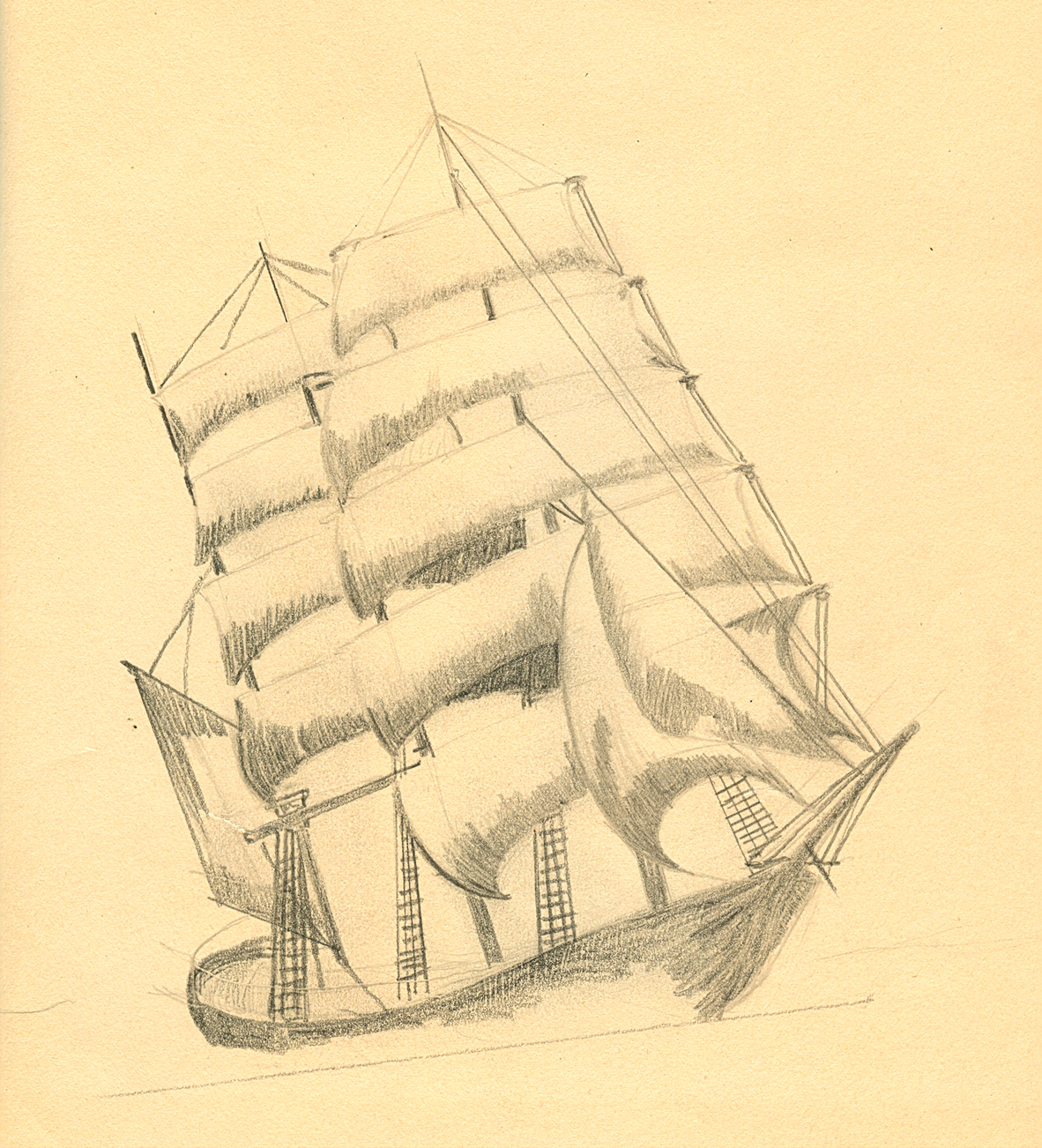
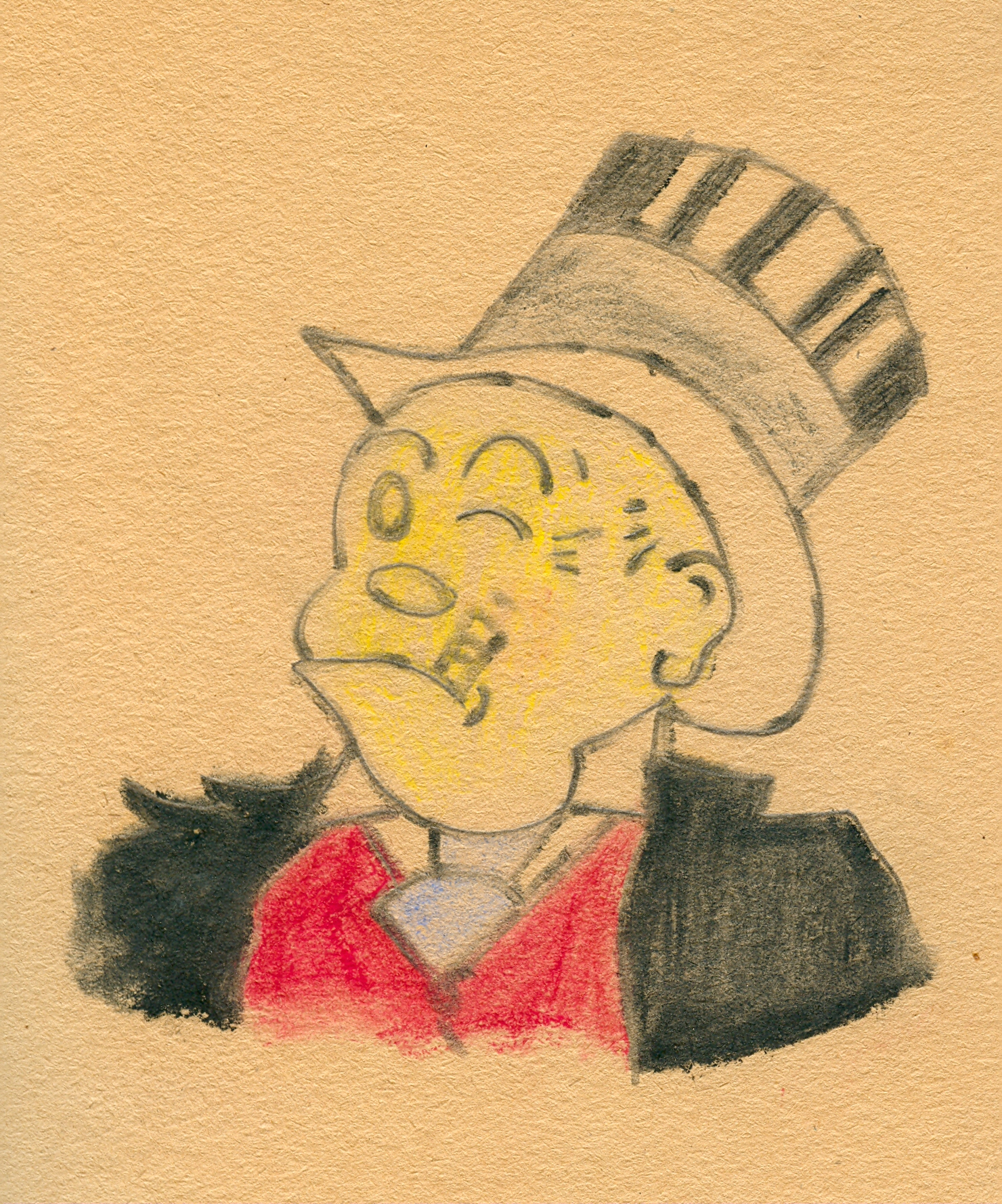
Getting this portfolio had an unexpected effect on me: I felt like I knew something of my grandfather for the first time. Art is so emotive, so expressive of the artist, that something of the person remains long after they are gone. What my grandfather chose to draw, and the style in which he drew it, gave me a peek into his mind and soul.

He drew people:

And scenes:

And ships:

And cartoons:

The style of my grandfather’s drawings are very much like my father’s drawing style. The similarity is rather spooky. The precision of line, the attention to detail, the choice of materials, even the subject matter was all eerily familiar. My grandfather came alive as he never had before.

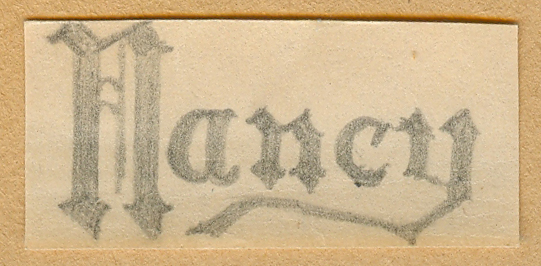
But among all his wonderful drawings, a small slip of paper, only about half a finger long and a finger wide, spoke most loudly to me. On it was his careful calligraphy:

The name of his wife. Saved for 75 years.

For the first time, I touched my grandfather.

Total Control

Have you ever thought you were totally in control of something, only to find out you weren’t? I had that happen recently. I thought I had absolutely everything I needed for a meeting at my daughter’s school, only to find I didn’t have the proper immunization records, the registration form they had mailed me, AND that her birth certificate had disappeared.

Sometimes the same thing happens in my manuscripts. I am a partial-pantser (writing friend Marie Lamba calls us “thongers” but that’s just not an image I want burned in my brain), so there’s plenty of space in my manuscripts to go off the rails. Reading over the rough draft, I find things like neglected plot clues, inadvertently changed place names, and minor characters left in the bathroom from chapter 2 until the end of the book.

So what to do when things firmly in hand spiral out of control? The only effective way I’ve found to deal with this is to concentrate on fixing one thing at a time. I called my toddler’s pediatrician and got her records, picked up another registration form at the meeting, and still haven’t found the birth certificate, but I can pick up another copy from the vital records office.

As far as mistakes in the manuscript, the same rule applies: tackle one thing at a time. I always go from big picture to nit-picky because changing big picture items will inevitably change the smaller things. Why waste time fixing commas in sentences you might cut out altogether?

Sometimes I can’t have everything as under control as I’d like. (This is a lesson I am learning over and over as the mom of a toddler.) All I can do is control what I can, not beat myself up for what I can’t, and fix what needs fixing.

Total control is impossible.

Getting to the goal by tackling one issue at a time is not.

The Dreaded Synopsis

While my WIP is with an editor and readers, I am filling time by working on my query and synopsis for that WIP, so I will have the marketing materials ready ahead of time. That way, once I get my WIP feedback, I can set to work revising and be ready for querying immediately.

I have a query I quite like. A few other people are going to give me feedback, but I feel the underpinnings are solid.

My big problem is the synopsis. I can easily tell the story of what happens, at whatever length is required. What always seems to elude me is the voice of the book and the emotional heart of the story. By the time I have editing the plot down to something synopsis length, all of the voice and life have vanished and it reads like an outline in prose. Boring!

I have a first draft, which I will return to and try to liven up. But even if I get the voice in there, I feel I have missed the heart. A lot of the plot points I include are only important because of the emotional arc attached, but that somehow does not come through in this draft.

This part of the process always frustrates me, because I feel that I should be able to do this much better than I do. After all, this is my book—who else knows it as well as I? My passion and excitement do not come through on the synopsis page, and they need to. It reads like one of the many college papers I wrote. I got A’s on them, but the synopsis is judged by a different metric.

Perhaps I will approach the synopsis more like a short story. Perhaps viewing it through that lens will open up that emotional heart I’m lacking.

I believe that if I can write a great synopsis once, I will have the “lightbulb” moment that will show me how to do it consistently. Here’s hoping the lights come on soon!

How do you approach synopsis writing? Any advice to share?

Rebooting the Writer’s Brain

Every writer has a distinct way of “rebooting” after they finish a long project. Short projects, or going back and forth between several projects at one time is one thing, but being completely immersed in a project and then suddenly having it finished is a different mental process. Some writers like to dive right into the next project; some prefer to take a little time off. Everyone has a unique spin on what recharges their creative brain.

As for me, for the first few hours after a project is finished, I find myself at loose ends, almost lost mentally. I’ll find a few spare moments and then have no idea what to do with the time since my project is done. Solitaire sees a lot of me in those first few hours!

Once the fuzzy-headed period passes, though, I go on an organization spree. I’ve just spent a month intensely editing my middle grade manuscript, and finally finished. Like usual, when I get deep into a project, I let everything else go except what is necessary. I had piles on my desk, non-writing household projects that have backed up, and EastEnders TV shows clogging up the DVR.

So far I’ve cleared my desk piles, finished a non-writing project and a half (and added a few more), and have checked a score of other items off the never-ending To-Do List. I haven’t gotten to the DVR yet—mostly because I’m watching the Olympics instead.

I find that taking a few days to catch up and organize clears my brain. It resets the switches so I can come to my next project focused and ready to roll. Not having all those loose ends takes the pressure off so I can have some fun with words.

How do you refocus after a long or intense project? What rituals work for you?

Villains and Writers: Why is it so hard to be evil?

One of the things I often read on agent and editor blogs is that the antagonist in a manuscript isn’t strong enough. That they are cardboard, nebulous, and somehow not as threatening as they should be. I’ll admit I struggle with my antagonists. Obviously, I am not alone. But why is it so hard?

I think it’s because most of us are decent people. We can’t fathom hurting others or blocking some event that is clearly a good thing for humanity. Sure, we all have our moments of making rude gestures to other drivers, or using words we don’t want our 2-year-old overhearing, or even thinking some very vengeful thoughts. But for most of us it stops there. The darkness we all have inside of us scares us to death.

When I see someone like the Colorado shooter, I cannot fathom his thinking. Sometimes with bad guys, you can see where they’re coming from, see how they are damaged emotionally, see how they think what they’re doing is the right thing. But by all accounts, this shooter had everything going for him. And yet he killed 12 people in cold blood. How do you get inside the head of someone like that? How do you write someone like that believably?

The key, as I alluded above, is to know their damage. When writing a villain, we must remember that he has his reasons for doing what he’s doing. And they make sense to him. He is the hero of his own story, and he believes HE is the one doing the right thing.

We as the writer must know the emotional driver behind our bad guy’s thinking, his actions. Only by letting the reader understand this will our bad guy gain the strength he needs to be a gripping antagonist. I think accessing the darkness inside terrifies a lot of writers. We don’t like to think it’s inside us. And once we unleash it for a book, can we put the genie back in the bottle?

While you may discover some uncomfortable truths about yourself during this process, writing the antagonist doesn’t need to be so gut-wrenching a process.

I have found some guidance by using Donald Maass’ Writing the Breakout Novel Workbook. Maass walks you through the antagonist’s world. Outline the story from the bad guy’s POV. Justify his actions using literature, mythology, law. Justify them in such a way that for just a moment your hero can actually AGREE with the villain. In other words, don’t just understand WHAT the bad guy does in your story, but understand WHY.

How do you approach your antagonists? Do you ever scare yourself?

Polish Editing and Potty Training

This month I’ve been neck-deep in revisions, trying to get my manuscript ready for the editor by August 1st. I added about 20,000 words to my middle grade WIP during “big picture” edits, and now am in the process of trying to pull out 12,000 to get my word count back to where it should be. (For the record, I’ve cut a little over 7,500 words so far.)

Some of those cuts have come in large swaths, where I deleted large amounts of words by restructuring a chapter or two. For example, it occurred to me suddenly that my entire first chapter was window-dressing. Aside from about 200 words, I didn’t need any of it. So I cut the entire chapter and moved the 200 words to other places in the book.

Unfortunately, most of my word-pulling has not been so effortless. And since I am a mom as well as a not-yet-published writer, this intense editing is not the only thing on my plate. My two-year-old announced this past weekend that she wanted to wear big girl panties. Great for her! Bad for me.

My productivity drops like a stone when escorting a toddler to the bathroom every 20-30 minutes.

But I found that potty training and this level of intense editing have a lot in common:

1. Both are painstaking processes. Often success seems almost impossible, but each small victory moves us one step closer. Toddler has a Potty Chart. I have an Editing Progress Chart. Hers has flower stickers. Mine has color-coded squares. It’s all good.

2. Both require constant concentration. Toddler has to pay attention to her body. I have to pay attention to every single word and see if it deserves to live.

3. Both are best accomplished by taking them in small increments. We set a timer for 30 minutes for Toddler. For 20 if she’s been drinking a lot. I focus on one chapter at a time. One paragraph if I’ve been drinking a lot. (For the record, I don’t drink.)

4. Both have their share of accidents. Toddler—well, you can guess. As for me—Did I really just delete half a chapter?!? UNDO! UNDO!

5. Both will be successfully accomplished. Toddler will eventually stay dry all day. I will get this manuscript polished and ready for the editor. I will likely reach my goal first, but I will not complain if Toddler beats me to it. 🙂

Working on two very intense yet completely different projects saps my energy, but I am managing to muddle through.

As long as I do not become potty-mouthed in my writing or try to delete my daughter, things will work out fine.

Oops, there’s the timer! (I feel positively Pavlovian.)

The Allure (and Danger) of “Free”

I get that people like to get things for free, but pirating a book when you know it’s stealing baffles me. Maybe I’m more sensitive to it because I am a writer myself, and I know that the author likely spent years on that book.

I really could not understand the pirates’ belief that somehow they DESERVED to have this for free. That they were ENTITLED. Why would anyone feel that they deserved to get a product for free? Where does that attitude come from?

I never understood it—until I experienced it myself.

I played with the idea of changing the look of my blog, so I browsed the Free Themes section. And I got irked because none of the free themes did the things I wanted. I saw a few paid themes that looked like they might do the trick, but WHY SHOULD I HAVE TO PAY? Is it too much to ask that JUST ONE free theme does what I want?

Oh.

There’s that entitled attitude.

A lot of stuff on the Internet is free. That is a wonderful thing. The problem is, all that free stuff (a lot of it good-quality free stuff) primes you to want more free stuff. If they give away X free, why not X+1? And then because you got Level 1 free, you feel somehow cheated when you can’t get Level 2 free.

How well this equates with the feelings of a book pirate I don’t know, but I think the same basic theory applies. “Some books are free, why should I have to pay for any?” While I’m sure the psychology of it is more complex than that, it leads me to the dangerous part of “free.”

Devaluing a product is a slippery slope.

With the rise of ebooks, many authors use free books to prime the pump. They use 99¢ books to draw readers. They keep their books priced $2.99 or less to attract downloads. All of those promotional strategies are fine in themselves, and I’m all for using them in small doses. But when it leads to scores of books always selling for under $3, readers begin to believe the value of ALL such work is under $3—and don’t want to pay more.

They value your years of research, writing, and editing as worth less than a throw-away cup of coffee.

Once your work is devalued, it is almost impossible to bring the price point back up. People come to expect—to believe they DESERVE—your work at the lower price. This devaluation of our worth is in part what agency pricing was meant to stop.

What happens to the authors when all ebooks have to be priced under $2.99 or no one will buy them?

Pricing is deviously hard—but so is writing. Be sure to consider the value of your time and effort when pricing your book.

YOU deserve it.

Hanging Pictures in Your Story: Putting the finishing touches on your manuscript

We’ve been in our new home just under a year, and we have finally gotten around to hanging pictures. That’s usually the last piece of the puzzle—that step that makes you feel like you really live in your house.

Hanging pictures is like the final edits of your manuscript. Just like a picture, you make sure each room (chapter or scene) has something colorful in it. A picture is often more than just decoration—it is either a photo of something important in your life or a painting/print depicting something that stirred you emotionally. Every chapter should contain meaning like that—something that forwards the plot and/or shows character development and emotion.

A picture is often a focus point in the room. Every chapter needs focus—a reason for being in your story in the first place. A fun way of ensuring that there is a point to your chapter is to ask yourself, “If I wanted to take a picture in this chapter, what is the best moment to capture?” If the highest moment of your chapter wouldn’t create a meaningful photograph, maybe you need to rethink your chapter.

Another facet of focus is directing people’s attention. Often, the arrangement of pictures on the wall can control how people view a room—the order in which they see objects, and even the overall feel of the room. In your final revisions, you refine where you want your audience to focus their attention. What do you need them to notice in each chapter? Are you purposefully misdirecting? Decide what’s important for the audience to pay attention to in each chapter, and write your prose accordingly.

So when you’re putting those final touches on your manuscript, pay attention to where you hang your pictures. You want your finished manuscript to be pretty, but you also want the pictures to focus attention and convey the deeper meaning of your story.

Hang your pictures with care, and enjoy finally being moved in!

WP-Backgrounds Lite by InoPlugs Web Design and Juwelier Schönmann 1010 Wien