

Editing Multiple Projects at Once: When It Rains…

It pours. Or in my case, when it snows, it blizzards. We are getting some snow this weekend, and predictions range from 5 inches to several feet. So we will see if this will turn into Snowmaggedon 2016, or be a big bust!

I like to tackle creative projects one at a time (with the exception of when I am burnt out on one story and jump to another for relief). With much less writing time, I prefer to be able to keep the creative part of my brain in one world, one story—it makes my writing time more efficient, since my mind has chewed over the story while I’ve been running around doing life-y stuff.

However, I don’t always have the luxury of focusing on one story at a time, and this is one of those times. I am in the middle of a major revision of a YA manuscript, and my middle grade adventure manuscript has come back to me from my co-authors. So now I have two manuscripts to work on—in very different genres, very different voices.

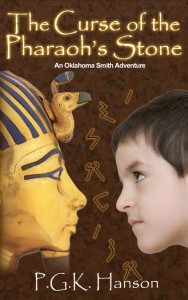
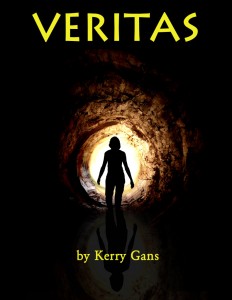
Veritas-Cover-Art-231x300Pharaoh-Curse-640x1024My YA, Veritas, is a science fiction narrated from three different points of view. My MG, The Curse of the Pharaoh’s Stone, is an adventure story set in 1922 Philadelphia, narrated by a 12-year-old boy. How can I keep them straight, creatively speaking?

One thing to my benefit is the stage of the writing process for each of them. Curse is in a final proofread/copyedit before I send it out to readers. Veritas is in what I call 3rd draft stage, where I am still working on story, character, and depth. Because the stories are not in the same stage of development, I can switch gears between them a little more easily—copyediting does not call for the same creative muscle as deep revision.

The other thing I do to keep them apart in my mind is that I never work on one directly after the other. In my new work day schedule, I have writing time reserved in the morning (9-11 am), and again after my daughter goes to bed at night (9-11pm). By doing one in the morning and one in the evening, I leave enough time in between to “surface” from one world before diving into the other.

This seems to be doing the trick, although I wonder if it would be the same if I was in, say, drafting mode for both stories.

When you’re working on multiple projects at a time, how do you keep from having them bleed into one another?

Stay warm, people, and if you are in the path of the snowstorm, stay safe!


New Year, New Work Schedule

Calendar Jan 2016

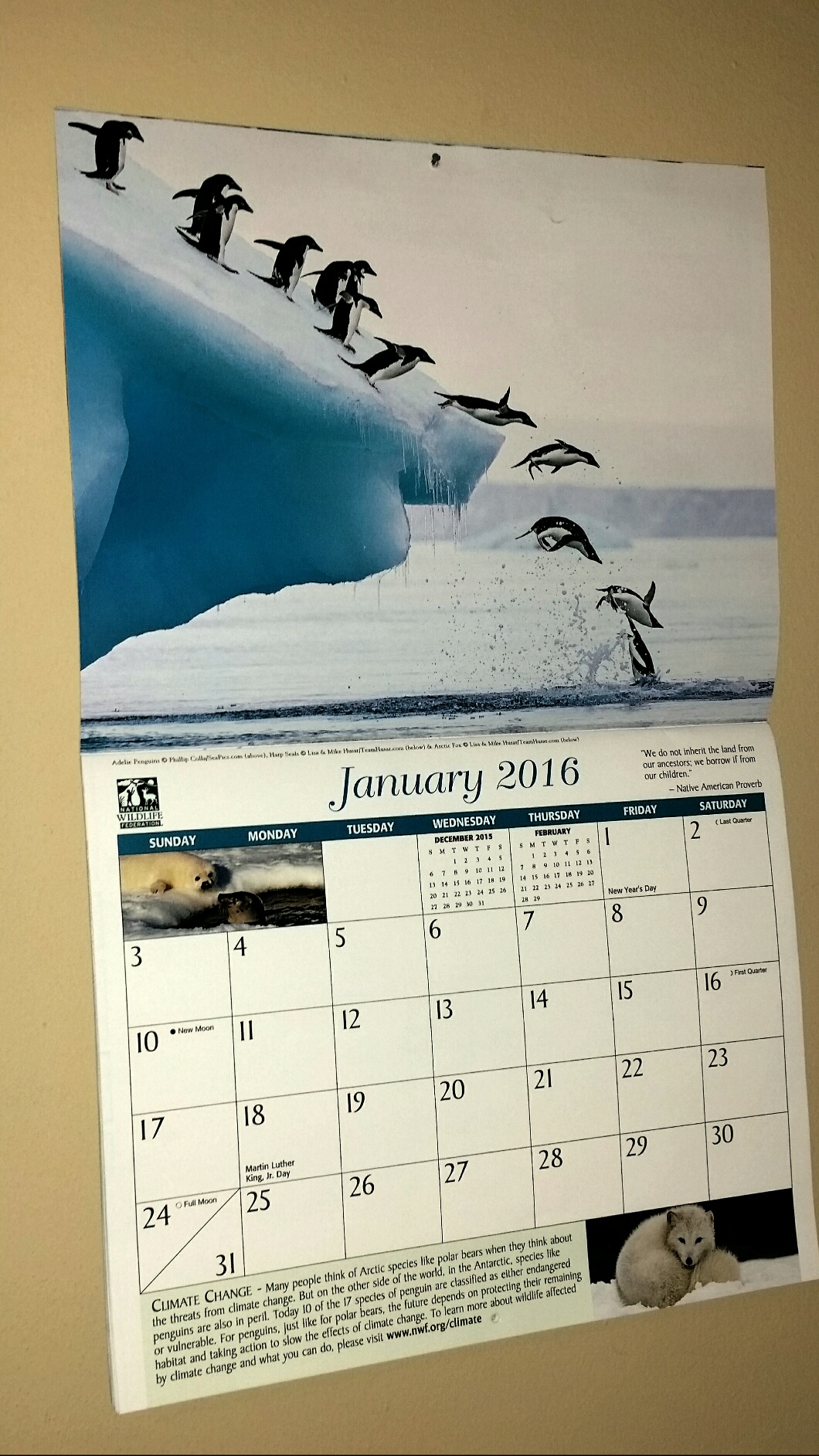
Nat’l Wildlife Federation 2016 calendar*

In September, my daughter started full-day Kindergarten. Thoughts of how much work I could get done in the roughly 6 hours she was at school made me giddy. Before she’d been born, I’d been a workhorse, churning out words like crazy! This was going to be like old times.

Only it didn’t happen that way. Instead, I would find myself at the end of her school day wondering what I had spent all my time doing. In spite of my best intentions, I felt like I was getting nothing accomplished. My marketing languished, my non-writing projects ground to a halt, and worst of all my fiction writing word count dropped to zero. The only items I managed to get done regularly were my blogs—because other people counted on me to get them done.

Frustration and failure marked my days.

So I began my new year with a new approach. I scheduled my workday. It looks something like this:

Daughter goes to school, then:

45 minutes: exercise and social media/email

2 hours: writing fiction

45 minutes: exercise and lunch

1 hr, 15 minutes: marketing and social media/email

1 hr, 30 minutes: free time

Then my daughter’s back from school.

After she goes to bed: 2 hours: blog posts

You can see that I carved out specific time for my fiction writing. I had to do that, or I would fall into the same trap as before—thinking I didn’t have enough “time” to get into my world or my story. You may also note that this is the largest block of time in my workday. Priorities.

And, yes, you read that second to last entry right—I scheduled free time. This is time for me, to recharge after the workday and before my daughter gets home and we rush into the hurly burly of her after-school activities. I use this time to relax, but also to accomplish those “home projects” I have such as keeping up with the family photo albums or working on my genealogy or converting old videotapes to DVD. Having this time keeps those projects from piling up and adding pressure to me. And some days (like yesterday), I nap during that time.

My evening hours are slotted for blog posts (I usually write 2 a week), but if I’ve finished my posts for the week, then I use the time for whatever I want—fiction, projects, reading, sleeping.

So how’s this new schedule working?

Great! I set alarms on my phone, and when that rings, I am on to the next section of my day. The most exciting thing for me is that my word count has shot up. From January 4th through this post, I have written/revised 11,609 words. Even more exciting is that 8,504 of them are in my current fiction work-in-progress (WIP). I went from literally 0 words per day to an average of 1,000 words a day on my book. That’s something to celebrate!

This schedule is for weekdays. This past weekend, I had 2 days with 0 words written. I did a bit of research and reading, but got nothing written. Last year, this would have upset me. But with almost 6,300 words written (5,000 on my WIP), I could relax instead. I don’t expect that every weekend will be a goose egg for writing, but if I maintain my word count during the week, I won’t sweat it if it is.

I know there will be weekdays that I can’t adhere to this schedule. I will have errands to run and appointments to keep—in fact, last Thursday I lost the whole school day that way. But that’s okay, too, because most of the time this will work for me. This schedule keeps me focused because I know I will have a chance to “get to” everything I need or want to that day. It keeps me accountable by having those alarms going off and urging me to the next phase.

I am liking this new schedule, and the results speak for themselves.

Most of us writers are self-employed and self-motivated. What are some tricks you use to stay on track?


*Calendar photo copyrights: Penguins–copyright Phillip Colla/SeaPics.com Seal & Fox–copyright Lisa & Mike Husar/TeamHusar.com
The Best of The Goose’s Quill 2015

At the beginning of a new year, we typically look forward to the year ahead. Sometimes, though, it is helpful to look back in order to see how far you have come, and evaluate how you did in the past year. I examined my top 20 posts this past year and found that readers read a good mixture of craft and marketing, as well as some of my more personal writing-life posts. In case you missed any, here are the Best of The Goose’s Quill 2015. Enjoy!

  1. When The Hero Is Not The Protagonist
  1. What Big Question Do You Write To Answer?
  1. How To Measure Growth As A Writer
  1. Our Characters’ Other Lives
  1. Adventures In The Land of Zal
  1. Marketing: Doing The Things You Don’t Want To Do
  1. Book Trailer Beginnings
  1. The Truth About Your Productivity
  1. Anticipation Angst and Announcement
  1. The New To-Do List
  1. Introverts, Extroverts, and Social Pain
  1. The Insidious Persistence of Grief
  1. My Biggest Takeaway: 2015 Philadelphia Writers’ Conference
  1. Philadelphia Writers’ Conference: My Annual Oil Change
  1. Writing Longhand: A Generational Divide
  1. Working Vacation: Yes or No?
  1. Empathy: Curse or Blessing?
  1. Revising My Writing Process
  1. Marketing Bits and Pieces

And my #1 post of 2015:

  1. THE WITCH OF ZAL Cover Reveal and Surprise!

NEW RELEASE!

Thank you for reading in 2015—I hope you continue to join me in 2016!

Focus Forward

As 2015 draws to a close, I have a lot to be thankful for. My family is healthy and happy. I am comfortable in my life. And my first novel, THE WITCH OF ZAL, debuted from Evil Jester Press!

NEW RELEASE!

Now 2016 looms large ahead, and my focus is turning to the future. What do I want to accomplish in 2016? I decided to keep it simple and focus only on things I could control, because to do otherwise is an invitation to stress and frustration.

So what are these goals?

  1. Create and implement a new marketing plan for THE WITCH OF ZAL.
  1. Finish revising and polishing at least 2 of my works-in-progress.
    • THE CURSE OF THE PHARAOH’S STONE is close to finished—one more go over and sending it out for proofreading. So I should easily reach this goal.Pharaoh-Curse-640x1024
    • VERITAS. This WIP is in a monster revision right now, and I feel that I have been procrastinating because of the magnitude of the task. Once I begin, I will be able to chip away, and there is no reason I can see that I should not finish this by the end of 2016.Veritas-Cover-Art-791x1024
    • THE ORACLE OF DELPHI, KANSAS has been complete for a year or more, and has made the rounds of some agents. The feedback I received showed that I have some work to do on this book, but I have not yet looked to see how large a task fixing the issues would be. It is possible that this, too, can be done by the end of 2016, but I consider this a stretch goal.Oracle-Cover-Art-791x1024
  1. When one of the manuscripts above is ready, I will send it out to agents. With luck, I will find one that connects with my work.

And that’s it!

Three things.

I can do that.

What are you looking forward to in 2016?


The Editing Puzzle

My smartph Move it! Free - Block puzzle- screenshot thumbnail one has a game on it called Move It! by AI Factory. The game is a spatial relations game, where you have pieces of various shapes on a board, and you have to move them around until you can guide a red square into the upper right hand corner. The game is fun, frustrating, and highly addictive.

Move It! is a lot like editing—at least the stage of editing where I am now. IVeritas-Cover-Art-231x300 have a WIP that I just finished putting through my critique group. I have reams of helpful suggestions that I cannot wait to get moving on—but there is so much work to be done, I find myself faced with a plethora of pieces scattered on a board of unknown dimensions.

Move It! specifies a target number—the least moves required to clear the board. Alas, my editing does not come with a target number.

My editing notes include checking for conflict in each scene, making sure Scene A leads logically to Scene B, noting my character goals for each scene. I need to follow character arcs, plot arcs, goal arcs. I have 3 POV characters, so I plan to separate their scenes out and listen to voice, check for character consistency, and make sure they are three-dimensional.

I also want to check continuity, symbolism, and rhythm. My ending needs some help, and the entire book needs a language overhaul because it sounds too middle grade and it’s YA. And of course there’s the nitty gritty of grammar, punctuation, and formatting.

Even with the target number, your game can run away with you. I had one game with a target of 72 moves and ended up with 265. I’m hoping to avoid that problem while editing, but you never know because when you change one story piece that changes them all.

At this moment, I am looking at the board, wondering how I can move those manuscript pieces in the most efficient way to get my book to the final position. I’m a bit overwhelmed and unsure where to start.

How you begin in Move It! sets you up for success or failure. A false start will get you to 265*. A good start narrows your available moves until only the successful path is left open to you.

Let’s hope I choose the right starting move with my manuscript.

How do you organize a huge editing project like this?

*My current score on that target 72 game is 76.

Our Characters’ Other Lives

Today was Parent Visitation Day at my daughter’s school. We got a peek into this world she inhabits—a world we know very little about. The older my daughter gets, the more of her life happens out of our view, out of our sight. It’s her “other life.”

So she has this other life, this “offstage” life as it were, and what happens there impacts how she acts when I pick her up—when she is back “onstage.” If she had a good day, she will be happy and cheerful. If something is bothering her about school, she will be upset or pensive.

The same holds true for the characters in our stories. While our POV characters are rarely offstage, many of the secondary characters are. And of course any “walk-on” or “cameo” characters also enter our story having come from their own offstage life.

What happens to them while they are offstage is important. It will impact how they interact with the main character. A secondary character who was up all night with a screaming baby will react to a situation differently than one who had a good night’s sleep. And if you have a secondary character who is secretly working against the protagonist, what they do while offstage is vitally important.

Yet I find that I often do not consider my secondary character’s other lives when I write. They flit in and out of the story with just the right attitude, the needed info, fulfilling whatever need I have to fulfill. They are often too perfect in that way. And yet I find myself being lazy because it takes too long to visualize what they’re doing when they’re offstage. I mean, I’m juggling enough just trying to deal with the main character and the villain, right?

Wrong. I need to consider my other characters’ offstage lives more. Why? For a few of reasons. First, because it deepens their characters. I get to know them better, and so can write them with more nuance. Second, because it’s more realistic—life happens to people even when you’re not there to witness it. And third, because it can add tension to your story, especially in scenes where there is not much external tension or conflict.

After all, your secondary character could be having coffee withdrawal, and therefore be unlikely to follow the protagonist on a half-baked adventure. Or they could be coffee-stoked, and therefore they will follow the protagonist on that very same half-baked adventure simply because they can’t sit still. A variable as small as that can make a big difference in how a scene goes.

My friend Keith Strunk once said that even if your character is only borrowing a cup of sugar, there needs to be a motivation behind it (he’s an actor, can you tell?). What happened to that character before he showed up asking for the cup of sugar will determine how he reacts when you tell him that you have no sugar. If he had a bad day, he will react poorly. If he had a good day, he will react indifferently.

As a writer, which sugar-borrower would you want in your story? The one that bursts into tears or becomes irate when you have no sugar, or the one that shrugs and goes home to quietly eat the chocolate chips straight out of the bag? I know which one I’d want.

Do you consider your characters’ other lives when you write? How do you keep track of them all?

The New To-Do List

First, I want to take a moment to recognize the tragedies in Beirut, Paris, and Nigeria. The loss of life is horrific, and the grief is universal no matter what continent you are on. The terrorists wish to inspire fear and hatred and chaos. I choose not to let my fear turn to hate. I choose to stand with the grieving and raise my voice with those speaking for peace. The terrorists fear our unity and seek to splinter us. United we stand.

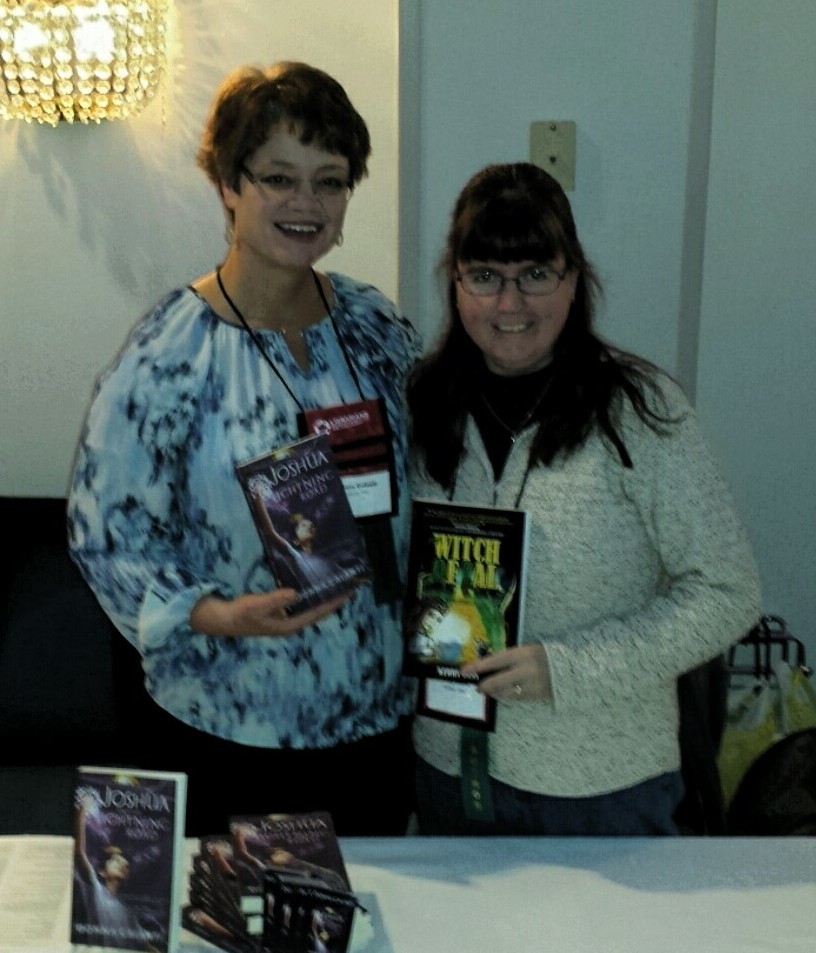
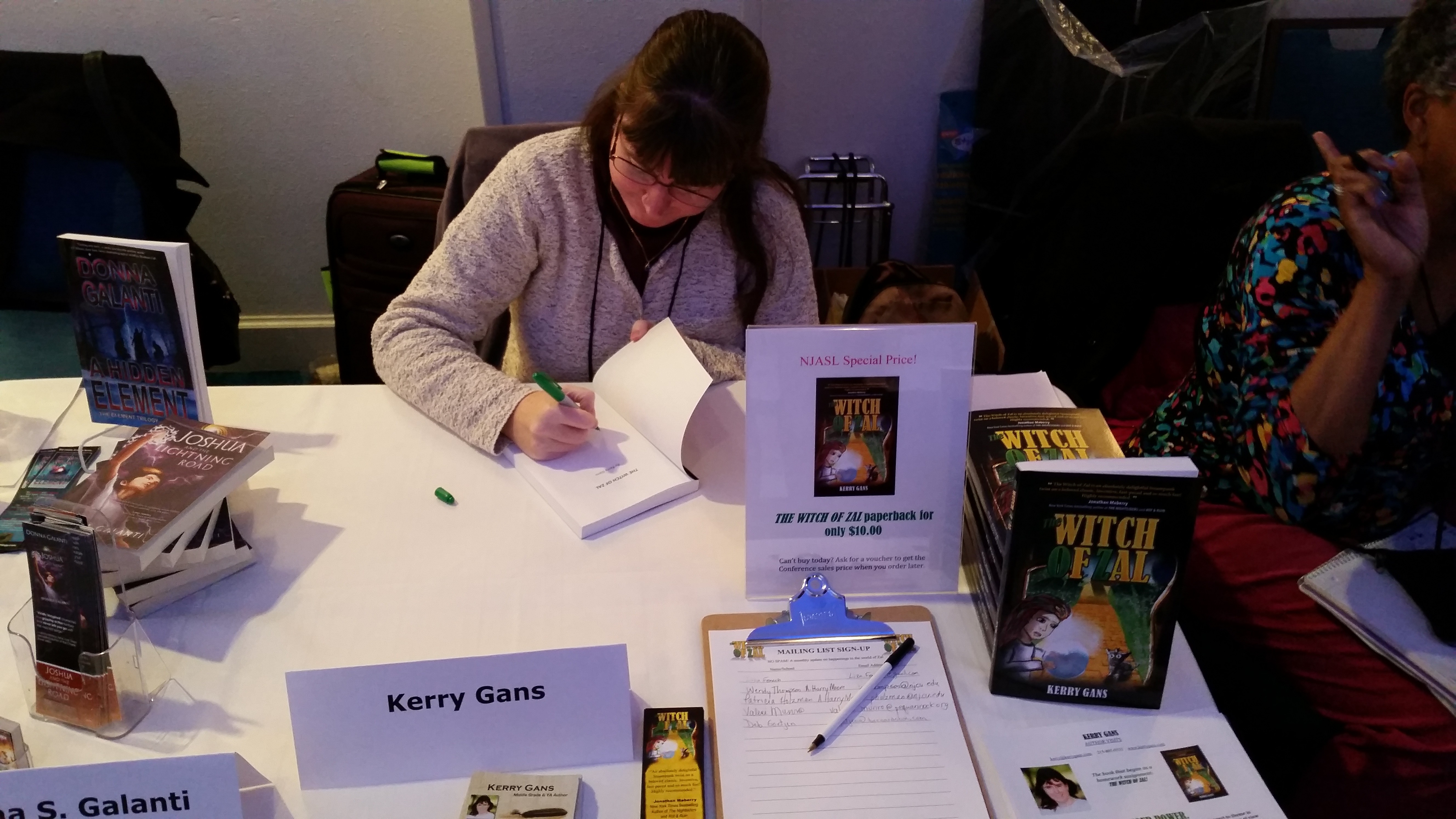
20151115_082754I attended my first conference as a published author this weekend. The NJ Association of School Librarians sponsorsan Authors’ and Illustrators’ Alley where you can display your wares and talk with the conferees. I’ll admit I was terribly nervous—my anxiety was running in high gear. But once I got there, it all went smoothly. Chatting with the librarians and teachers was fun, and I learned a great deal about presentation from my friend and table-mate Donna Galanti.

20151115_131238

So now that is over and I turn my attention to the other things that need to be done now that THE WITCH OF ZAL is a real, live book. What sort of things are on this to-do list?

Updating my website: I need to get the cover on the front page, and add buy links, and some of the blurbs. I need to update my events page as well.

Book Trailer: I’ve sent the elements of the trailer to Keith Strunk, whose company will be putting it together for me. As a long-time professional editor, I actually did the trailer myself but my editing software is so old it does not support true High Definition, which is necessary.

Reviews: I have no reviews yet, but I do have a list of bloggers that I am ready to reach out to and ask for reviews. I have the emails mostly ready, I just need to add some final details (like the cover) and send them out.

School visit presentation: I need to sit down and concentrate in detail on what I want to say and cover in a school visit. I have a firm idea of the topic now (thanks again to Keith Strunk), but I need to think about the flow and the details I need to cover.

School visits: After that, I need to actually book some school visits. A big issue is payment—so many of the librarians at the conference said they simply have no budget for author visits. So, do I work for free and accept the book sales as payment enough? That’s a question each author needs to answer for themselves.

Interviews: I have at least one interviewer who has sent me questions, so I need to get those done.

Distribution: I have contacted the Doylestown Bookshop about handling pre-orders for my school events, and thankfully they have said they can handle that for me.

Taxes: I seem to have all the paperwork in order, but I am still unclear on how collecting sales tax works in states outside of my home state. So more research is needed.

Copyright: I need to register the copyright of my book within 3 months of publication. Some authors may say not to worry about it, but for $35 it’s worth having the extra protection. (Fees vary depending on how you register.)

Launch party: Now that THE WITCH OF ZAL is out, I need to celebrate! I’ll keep you apprised of developments there.

So, those are some of the things on my new to-do list. Oh, and write. Gotta keep doing that.

Anything I forgot that should be on my list?


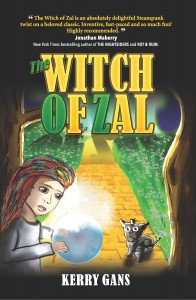
THE WITCH OF ZAL Cover Reveal and Surprise!

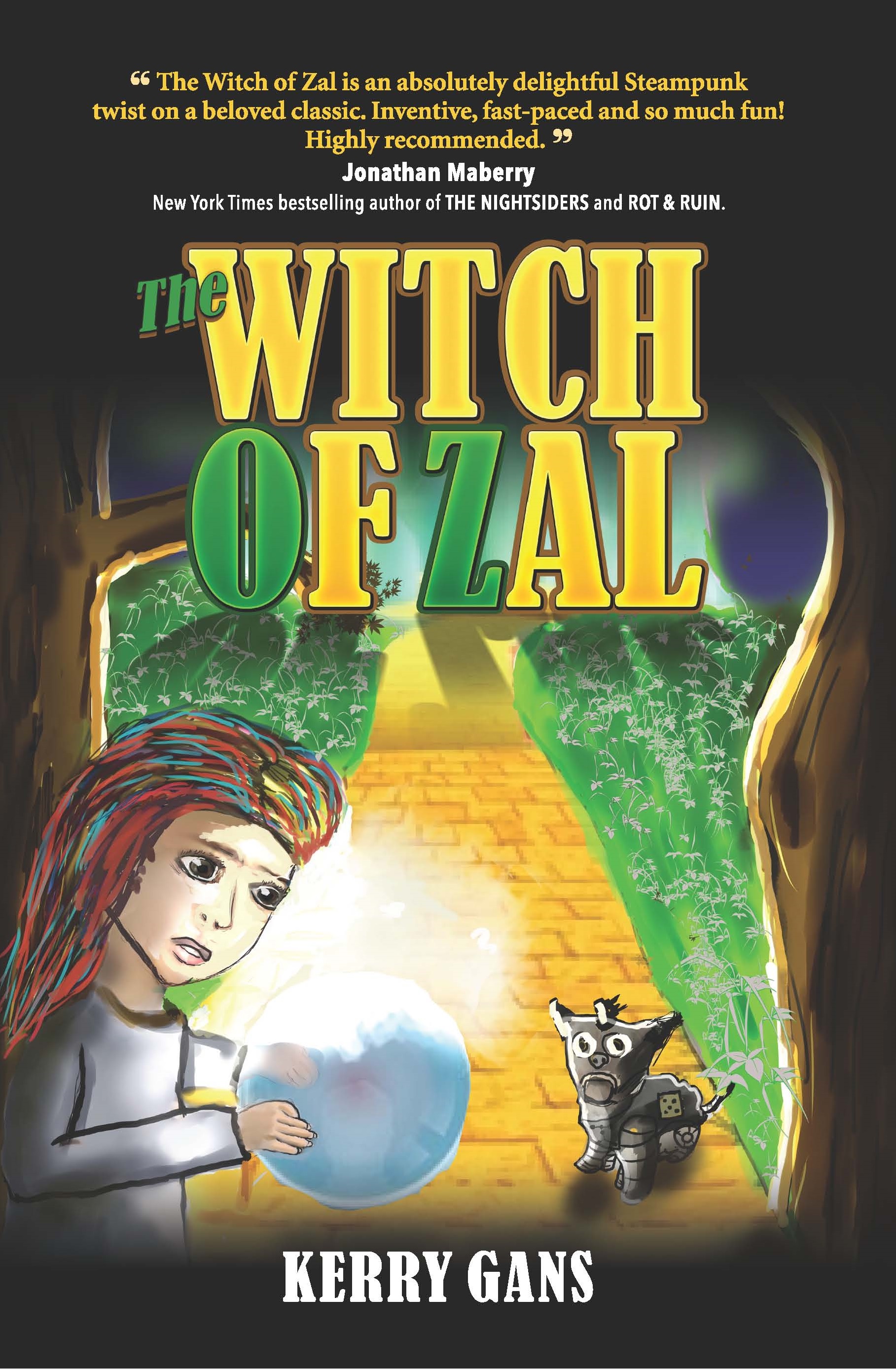
Hey, everyone! I am so excited to share the wonderful cover for THE WITCH OF ZAL! My publisher, Evil Jester Press, did a fantastic job.

And…SURPRISE! My book is available for purchase RIGHT NOW in paperback and Kindle.

WitchOfZal Cover

I hope you love the cover as much as I do–and I hope you have as much fun reading the book as I did writing it!

1203thewitchofzal_coverspreadOL

I’ll keep you posted as my journey continues. Thank you all for coming along for the ride!

The First of Many Firsts: Preparing for the NJASL Conference

On Sunday November 15th I will be attending my first ever conference as an author. The New Jersey Association of School Librarians has what they call Authors’ Alley where authors can get a table and speak to the many librarians who are there for the conference. I am so excited to be able to talk to so many librarians at once about my new book. However, I am also quite nervous. Luckily, friend and fellow author Donna Galanti will also be there—which will make the experience much more fun and less nerve-wracking.

Preparing for a conference as an author is no easy thing. I need to have many pieces in place. Such as:

BOOKS

The first thing I need to do is order books to have with me at the conference to sell or to show the librarians who are interested in the book. I did that today and they will be arriving sometime before the 15th. I can only imagine what it will feel like when I open my first box full of my own books and see all those wonderful covers looking up at me. 🙂

SWAG/MARKETING MATERIALS

I would like to have bookmarks ready to give out to people who are interested in the book but may not wish to buy at this time. I also want to have flyers announcing my school visit topics and availability to give out. I’m thinking of getting new business cards to bring, if I have time to get the new card and if my pocketbook will stretch to that much expense. My old cards are certainly sufficient to allow people to get in touch with me on social media and my website. The only drawback is that the cards do not have the cover of my most recent book on them.

MONEY

There are also business things that need to be taken care of prior to that and I have already completed those. I needed to get a federal tax ID number and register my business with the state of New Jersey so that I could collect sales tax on any books that I sell at the conference. I have also bought a Square credit card reader for my smartphone so people can pay me with a credit card. I tested it out and it works great!

ERRATA

I need some sort of display stand to put up a flyer on the table. I need to bring order forms in case there are people who wish to order the book later, so they can still get the special pricing I’m giving for the conference. I also need to remember to bring things such as my laptop a copy book for writing, and snacks and water so that I can make it through the day without fainting away.

I had hoped the have my book trailer available by this time but it simply will not be possible to get it done. However I do hope to have that finished by the end of the month. I had a lot of fun putting it together and I hope people will enjoy watching it as much as I enjoyed making it!

LOCATION, LOCATION, LOCATION

Eventually all those items above will be checked off my list, and the only thing left to do will be to pack up the car and head out. Then my worry will be: Can I actually find the venue? Thankfully my smartphone has a GPS, so now I have a little bit more assurance that should I get lost I will actually be able to find my way to where I need to go.

With this conference I am officially launching my career as a published author. I’m on the path that I always dreamed about the time I was young. I cannot express to you how amazed I am that this dream is finally coming true.

Anyone have more tips for this conference newbie?

Adventures in the Land of Zal

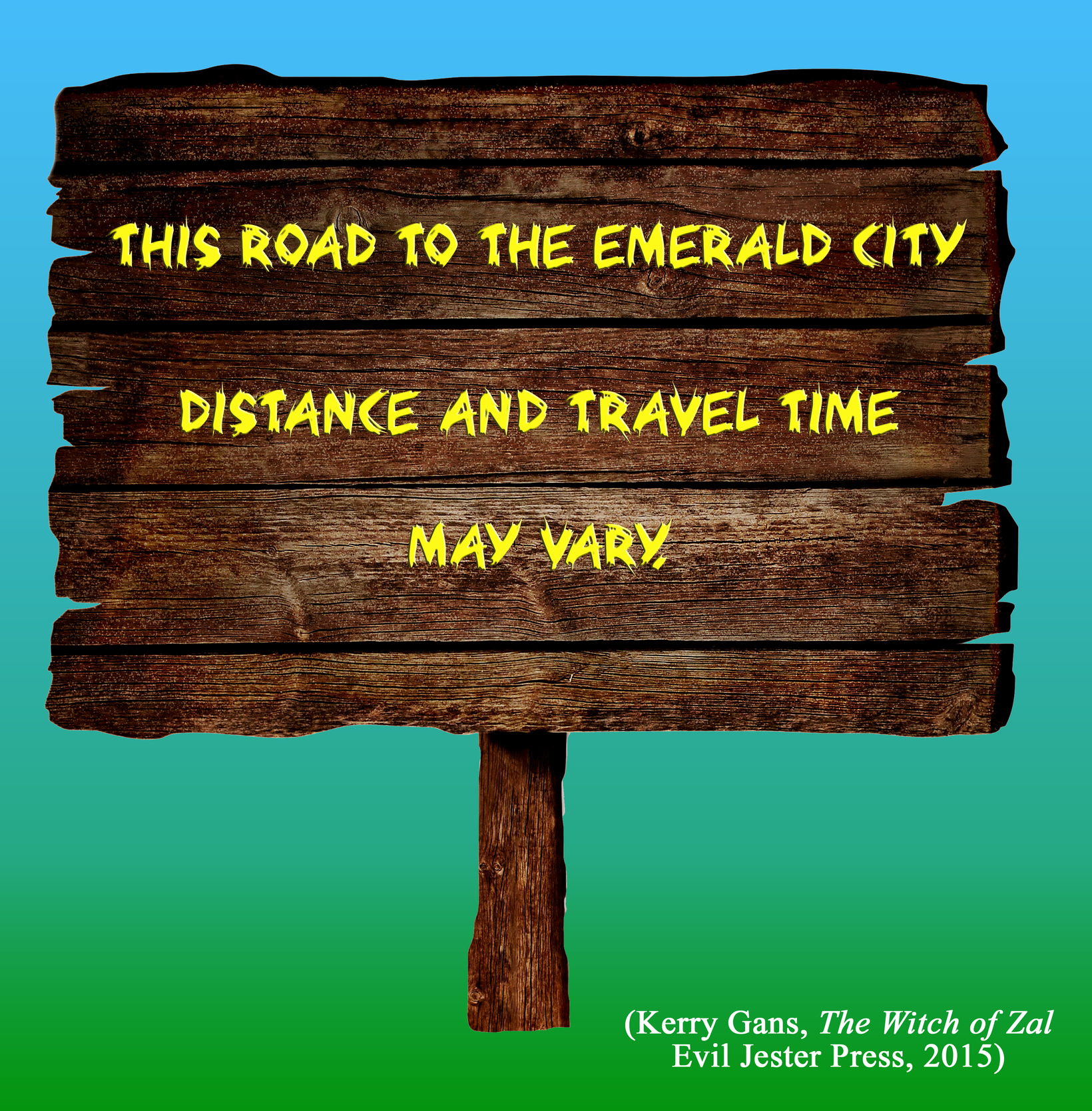
01 - Emerald City SignThis week’s post is going to be short and sweet, because I am neck-deep in reviewing the galleys of my book THE WITCH OF ZAL.

What’s a galley, you ask?

Before a book goes to print but after it has been formatted, they create a galley of it—an uncorrected proof of the text. The author then goes over the galley to catch any last-minute typos or issues that might have been missed earlier. Since there is a substantial lag time between turning in the final edits and reading the galley, the author can see it with fresh eyes.

I found that the galley, which uses a different font and formatting than my final submitted manuscript did, makes mistakes easier to find. Thankfully, I am not finding many! I have to read both the print galley and the ebook galley. I’ve read the print, and hope to finish the ebook today.

The other exciting news is that the cover is finally finished! I saw a sneak peek earlier this week, and am eager to share it with the world. Having a cover makes the book very real.

And I’m glad it is real, because I have booked my first conference, at the New Jersey Association of School Librarians (NJASL) conference November 15th. Discussing books with hundreds of librarians is going to be a thrill, and I can’t wait to meet them. After all, I’ve known since I was young that libraries are magic and librarians are magicians.

THE WITCH OF ZAL is almost at the finish line, and the next phase of my writing life will begin!

WP-Backgrounds Lite by InoPlugs Web Design and Juwelier Schönmann 1010 Wien