

Learning to See

We all know how hard it is to see mistakes in our own writing. Sometimes even when someone points it out to us, we still can’t “see” it. We can see the mistakes where they flagged them, but we can’t see the same mistakes elsewhere in the manuscript.

I’ve struggled with this in my own work. For months, my critiques have included “boring verbs,” “generic description,” and “telling rather than showing.” With my brain, I understood what the critiques meant. Where the critquers marked passages, I saw the problems. But I could not see the problems where they had not flagged. I knew the same problems must exist in every scene, yet try as I might, I could not see them for myself.

How frustrating!

The reason those critiques are problematic is that generic, telling, boring words do not create a visceral connection with the reader. Instead of pulling the reader into the world of the story, making the reader feel what the character feels, the reader feels as if someone is reciting the story to them. This distance between the reader and the story is not what you want as a writer.

Still, the critiques kept coming in. I kept studying what they had to say. Then just this past week, something weird happened. As I prepared this month’s submission for critique, I said to myself, “That’s a blah verb.”

A little while later, I said, “Wow, that’s really generic.”

And then, “Geez, that’s totally telling.”

Wait…what?

Could I finally be “seeing” what my (incredibly patient) critique partners have been pounding into me for months? Maybe. I hope so.

The other part of the equation, of course, is: If I am seeing the problems, do I have the skill to fix them? Can I dig deeper, stretch farther, and make that elusive connection with my readers?

This possible breakthrough has me very excited, and I can’t wait to see if this marks another step up the ladder in my writing.

Have you ever suddenly “seen” flaws in your writing when you were not able to see them before?
My Writing Season Has Begun

DSCN3173My daughter went back to school last week—full day for the first time ever. I did exactly what I had planned to do her first two days back—whatever I wanted! I napped, I read, I just relaxed.

Now, however, it’s time to get some work done.

I’d like to set some sort of schedule for the school day, a schedule that incorporates exercise, work, and what I call personal projects. Personal projects are things like photo albums or listening to music or doing genealogy—things that are necessary, that build up over time, and slowly become overwhelming if not attended to.

I have often lamented the inherent imbalance in my life since my child was born. I would either spend all my free time writing, thus getting behind on my personal projects, or divert to some of the personal projects, which then allowed my writing to languish. So I am hoping, with 6+ hours of child-free time 5 days a week, I can now find some sort of schedule where I can move both sets of projects forward at the same time, and thereby not feel the pressure of having so much undone work staring at me.

So one of my goals this week is to sketch out a weekly schedule and see how that works. I know things will come up that derail it from time to time, but I am a person of routine. I like my routines. I think that’s one reason this past summer was so wearing on my nerves—I had no routine for my work.

I purposely left my schedule as loose as possible because I wanted my daughter to have a “free” summer. We had karate and swimming, but the rest of the time was unstructured play or trips to various play places or to the park or play dates. It was great for her, not so great for me!

Now school is here and we are all routinized again. I look forward to my writing season and can’t wait to see where it takes me!

Do you have a writing season, or is your routine the same all year round?

The Night Owl and the Alarm Clock

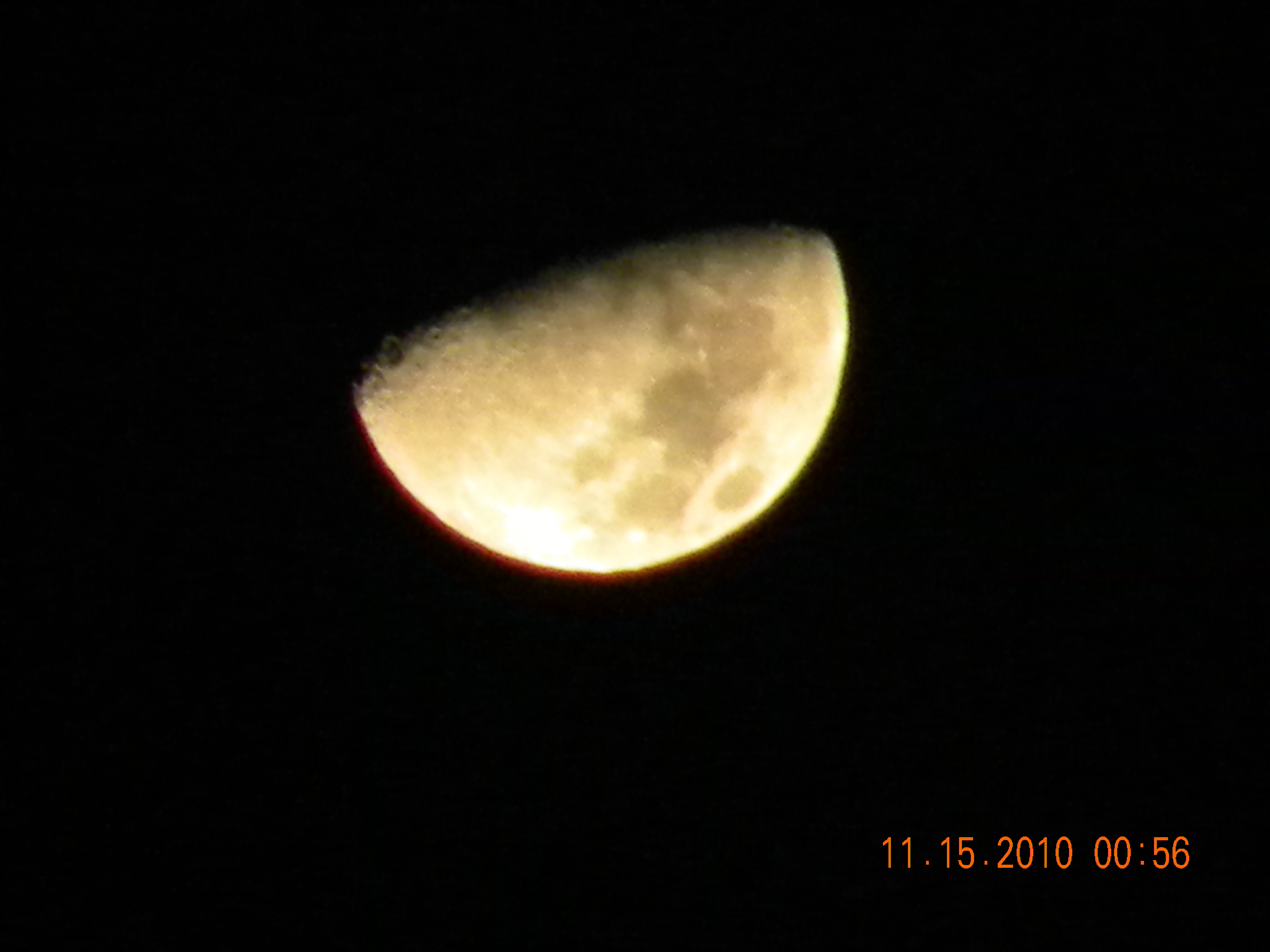
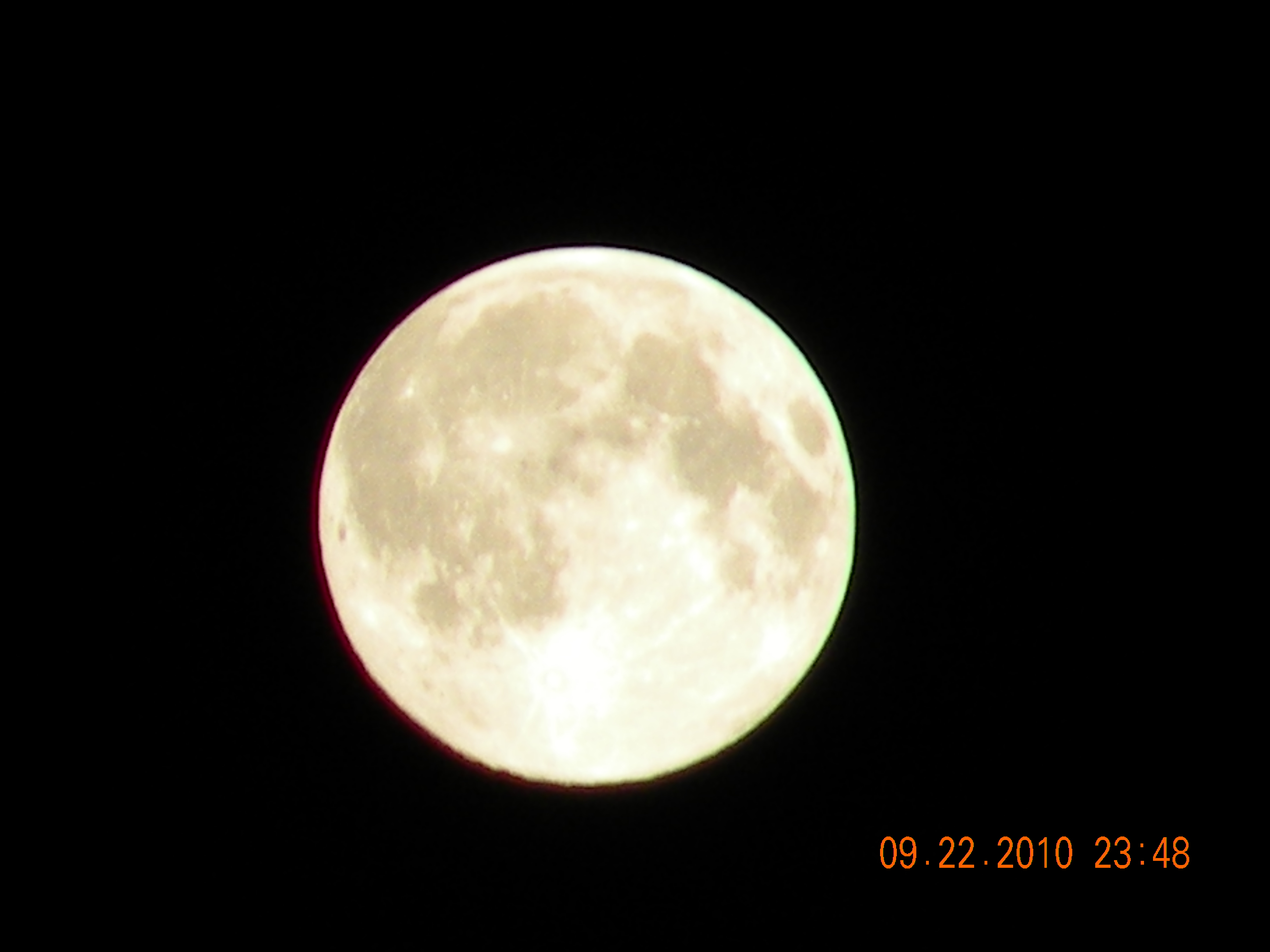
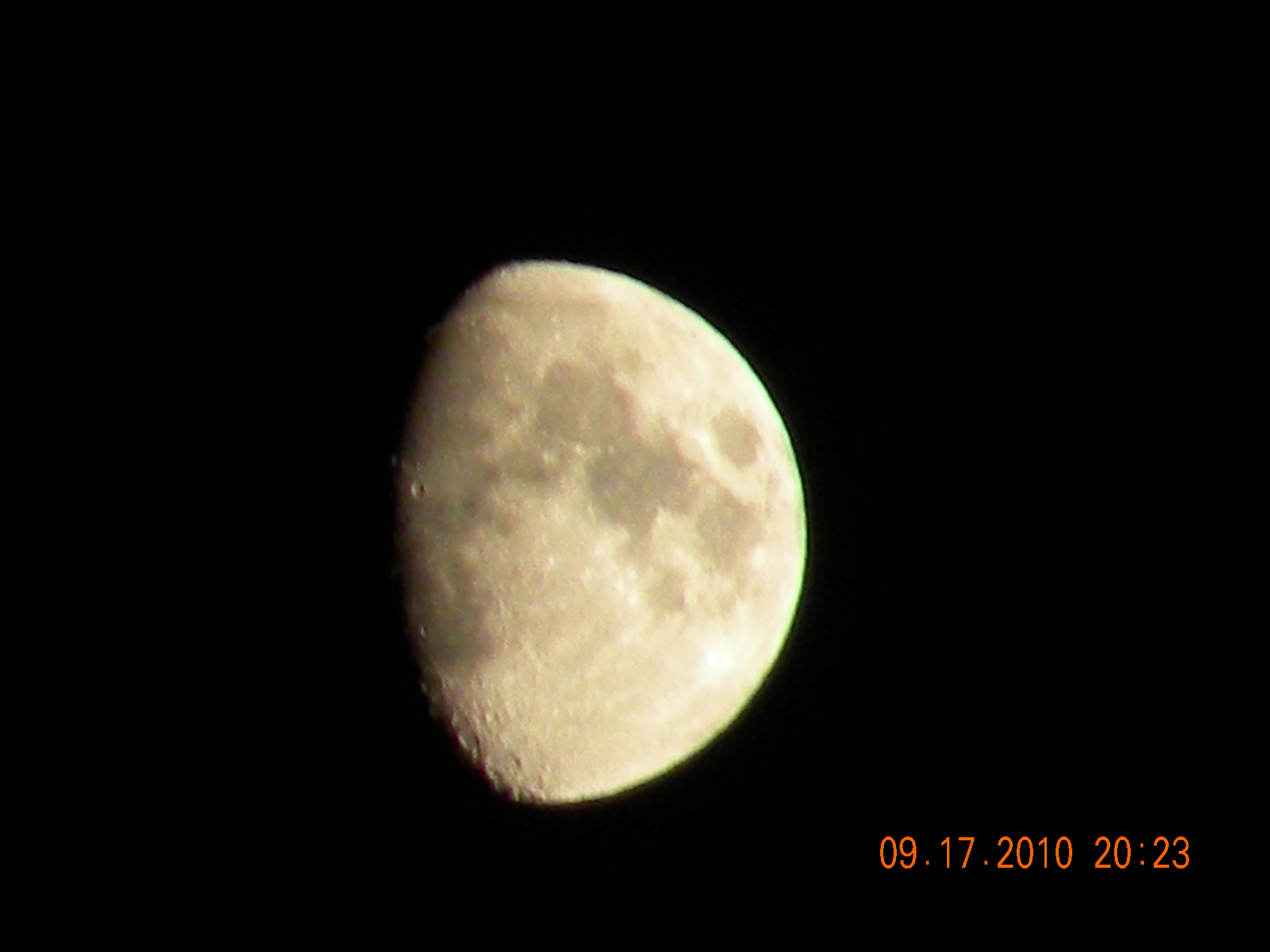
DSCN2510I am a night owl. Some people are sun worshippers, but I love the moon. I find a healing and peace in moonlight I can never find in the light of day. I love the quiet of the night. No phones ringing, few cars driving, no people talking. There’s something about the night that lets my soul relax and frees my mind.

Unfortunately, school is upon us. And while I am looking forward to having my daughter in all-day school for the first time, it also means getting up earlier than I like. This entire last year of preschool, my daughter was in the afternoon class, so most mornings were late-rising, slow-moving affairs. Now we will have to rush through the mornings to get to school.

I realize that rising at 7 AM is not really that early by most people’s standards. My mother rises at 5:45 AM. I have a friend who gets up at 4 AM. When I worked in corporate America, I got up at 6 AM. So 7 AM is not too bad.

Except that I am a night owl and anything before 8 AM seems obscene to my body clock.

DSCN3173My mother insists that a night owl can become a morning person—she claims she did it. I have a 5-year-old, so I have (until this year) been getting up early and at odd times through the infant stage, the toddler stage, and the 2 years of preschool before this one. I can tell you with authority that my body has rebelled every step of the way. There is no morning person emerging.

We are slowly moving Kinder-girl’s bedtime back so she will wake up easier and earlier in the morning. It is having the desired effect—she is waking up earlier. However, I as her mother have not been smart enough to move MY bedtime back yet, so I am suffering the consequences.

This is because my best creative juices flow at night. When the world goes to bed, my brain wakes up. My focus is better and I can fall into my imagination more easily. Perhaps it is because of the closeness of sleep at that time, but I am less inhibited and my inner editor tends to be quieter.

Maybe it’s because night time is for dreaming, and writing is but a waking dream.

DSCN2539

Any other night owls out there? How do you cope with living in a morning-person world?


The Rusty Merry-Go-Round: Switching between projects

Last weekend I met my friend and fellow writer Nancy Keim Comley for a “writer’s play date.” We both needed a break from “summer mommy brain” and a chance to get reacquainted with our writing. We had fun, and it felt good to immerse myself in my fiction for a few hours.

A mere six years ago, it wouldn’t have been unusual to find me working on multiple novels at one time—and having the time to immerse myself in all of them. After my daughter came, however, I have been much more single-minded. I’ve worked on one story at a time because if I didn’t nothing would ever get finished.

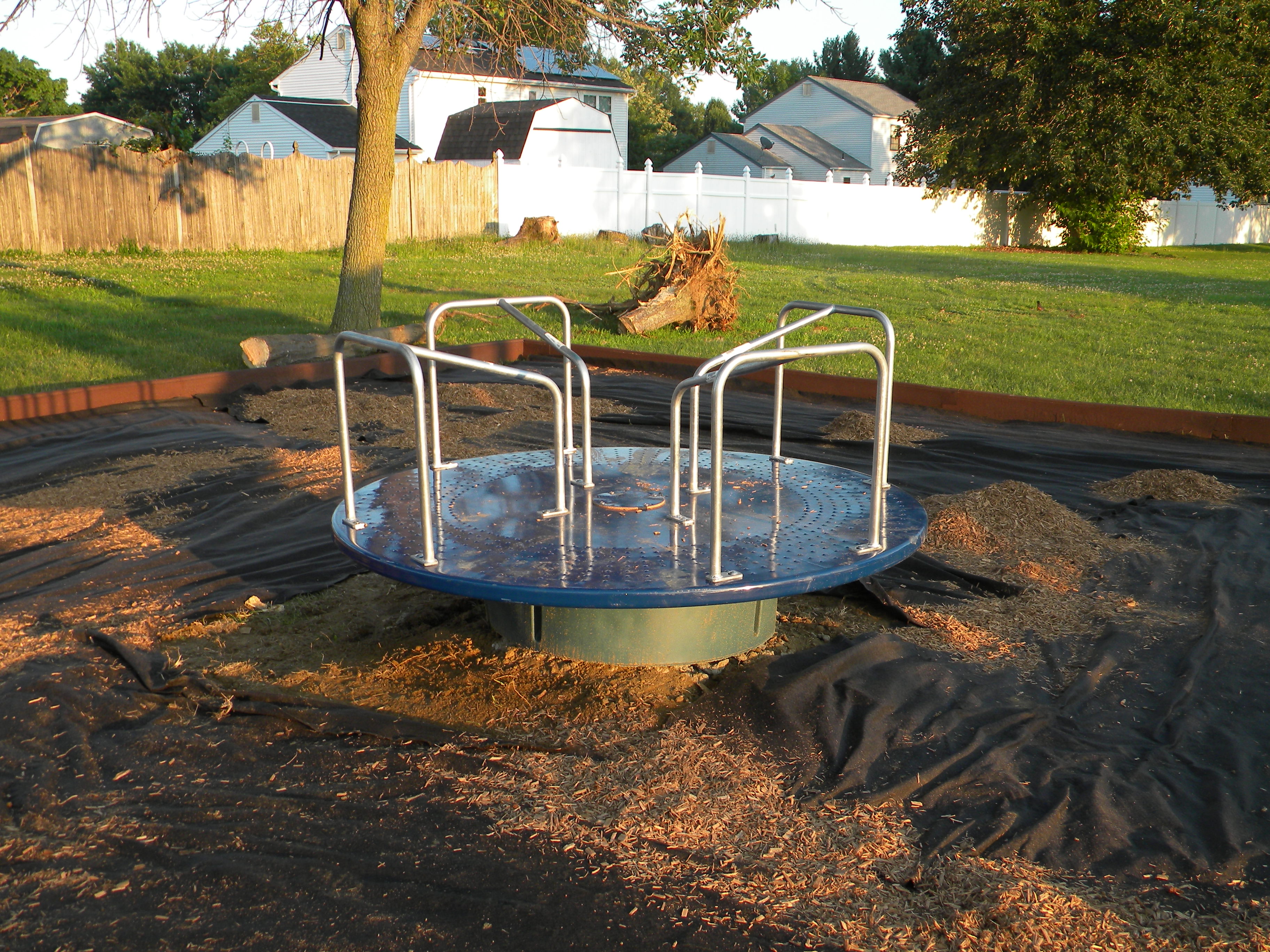
DSCN1713So when I started up the novel merry-go-round again this week, I found my skills a bit rusty. My current full-throttle work-in-progress is a YA science fiction called Veritas—and talking to Nancy showed me just how much work I have yet to do on it. (Daunting. So I will pretend I don’t know how high the mountain is and just keep climbing.)

However, I also have my debut novel, The Witch of Zal, coming out soon. While I am not actively writing for that, the marketing requires me to delve back into my story world—or at least remember what the heck I wrote. So that story is floating around in my head, popping up at odd moments to say hello.

Also, I’ve been collaborating on a middle grade historical action-adventure novel, The Curse of the Pharaoh’s Stone, and the latest 10 chapters have just landed back in my lap. I’m reading them as if I’ve never seen them before—good for editing, bad for getting back into that novel’s headspace.

To make things even more interesting, I’ve got a YA contemporary fantasy, The Oracle of Delphi, Kansas, that needs to be looked at again before I send it back out for another round of queries. So that’s on a back burner of my brain, too.

Earlier in my life, juggling all these would not have been a problem. In fact, I relished having multiple projects going at once because it eliminated writer’s block and boredom. Whenever I got stuck or burned out on a particular story, I could jump to another one and give my subconscious a chance to chew on the problem. It always worked for me.

This time around, I’m finding it hard to switch from project to project. Part of it is lack of practice, of course—writing skills are like any other skills, you have to use them to keep them sharp. My brain is also not as sharp as it was, largely due to perpetual under-sleeping. And I’m six years older—maybe my brain is more reluctant to leave the groove it’s in and move to something different.

I think the biggest problem is my fragmented time. I have spoken before about how my fragmented writing time has negatively impacted my writing, and I think it plays a large role here. I don’t have concentrated hours of time a day to write. This has made it harder for me to slip into the world of my story. Now mix in more than one fictional world. Synaptic chaos.

The only way I have found to combat the fragmentation is to always have my current work-in-progress running in the back of my mind. Simmering, as I like to call it. You can think of it as having the movie of my story playing in the background on my mental TV all the time. So when I have time to get back to it, I waste less time getting my mind back into the story.

There’s no way I can keep 5 stories simmering at usable levels. My brain would explode. I may have to assign specific days to specific stories, so I can have my brain set to the correct channel all day. That’s my plan, at any rate. We’ll see what happens!

If you have merry-go-round projects, how do you keep your headspace straight? Have you ever had trouble jumping from one world to the next?


Summer Doldrums

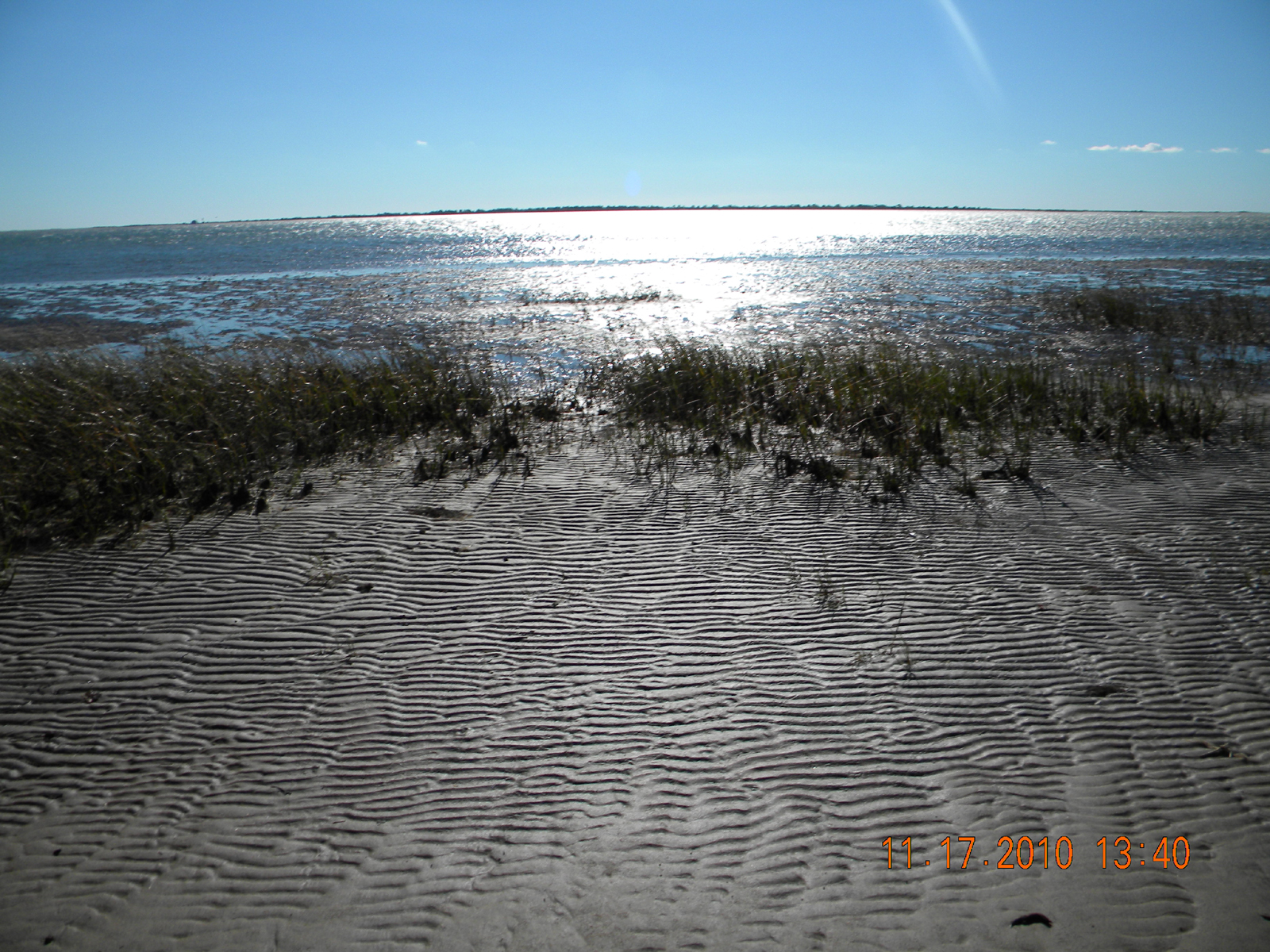
AI Beach 2I don’t know what it is about summer, but it makes me lazy. Maybe it’s because we’ve been conditioned since childhood to think of summer as “vacation time” or “time off.” All I know is that when the heat and humidity turn up, all I feel like doing is sitting in a cool place and reading a book—unless I fall asleep, which is also perfectly acceptable.

To add to this lazy mindset, those of us with children know that now you have the kids home all day. This will completely mess with whatever productive schedule you had hammered out during the school year. It will also seriously impede your sitting and reading/sleeping plans.

My child is still young, and that means she wants me to play with her from the minute we get up to the minute her head hits the pillow at night. This gives me a dilemma: 1) Get no work done and play with her all day, or 2) tell her sometimes that I need to work and then deal with the guilt of feeling like a bad mommy.

We’ve been trying to work it out as far as work-play balance, but all I can say is that 6 more weeks of summer just might steal whatever sanity I have left.

Of the two distractions, though, the more sinister productivity-killer is the summer doldrums. I’ll grab my half-hour to work and then…email…Facebook…Word Scramble…a little more Facebook…maybe some Pinterest…guess I should check Twitter…more Word Scramble…now, time to write…what do you mean my time’s up?

It’s unusual for me to not be able to focus when I need to. But something about summer just sucks the motivation out of me. I crave doing NOTHING. And I am not a person who likes to do nothing.

I struggle through as best I can, waiting for the cool winds of autumn to blow away the summer cobwebs. It will come, but right now that shady spot under the tree is tempting me.

How about you? Do you suffer from the summer doldrums? Do you have any tips to shake it off and get back to your usual productive self?

What Big Question Do You Write to Answer?

It’s no secret that writers tend to spill words on a page when they’re trying to deal with an issue they’re struggling with, or emotions that are overwhelming. When my best friend Donna Hanson Woolman died at age 32, that experience became my Masters’ thesis short story.

Followers of my blog have seen me write through other periods of grief, whether it be the lesser loss of a celebrity who had touched my life like Davy Jones, or the greater loss of family. On here you can find my goodbyes to my Aunt Clare and Uncle Ed (on the same day), my Uncle Bill, my Aunt Marge, my cousin Charley, my friend’s 5-year-old son Gavin, and even our family dog Cody. Obviously, I write to get my thoughts in order. I write to get the pain out of my heart and onto the page. Because, just like in writing fiction, once it’s on the page I can deal with it. That first draft of raw emotion spills out, and then I can find some perspective. Find the words, the voice, to express myself and my grief properly.

So when I took Catherine Stine’s workshop at the Philadelphia Writers’ Conference this year, something she said resonated with me. She said all of her books started with a “big question” that she was struggling with. As an example, she said she was a Quaker, and therefore anti-violence, but she wondered if sometimes violence (particularly war) was the only answer. And how could those two things be reconciled? She wrote a book to explore all the options.

She also made a point to say that we as the writer should be careful not to answer the big question for the reader—that we should lay out all the evidence and arguments on both sides and let the reader come to their own conclusion. She didn’t tell us the answer she found to her big question.

I got to wondering if I am asking “big questions”—if that’s why I write whatever story I am writing. If I am, it’s subconsciously. I certainly don’t look for questions to answer. But I would wager that if I look at my stories, there is a big question buried in there somewhere. It’s worth a look, because if I can figure out the big question, it will clarify my explanations of the books and be useful in marketing. If the books are not sold yet, it will also be useful in revision—helping to focus on the heart of the book.

What about you? Do you consciously write to explore a “big question”? Or do you find that after you’ve written, you explored a question you didn’t know you had? Or does a big question never enter into the equation for you and you write for completely different reasons?

My Biggest Takeaway: 2015 Philadelphia Writers’ Conference

DSCN9802Every year, after the dust of the Philadelphia Writers’ Conference has settled, I look back and see what my biggest takeaway is. After all, it’s good to see what you’re getting out of any experience so you can judge your return on investment. In past years, my takeaways have included a lessening of my pitching panic and a creative awakening.

This year, I met a lot of people, including some I only knew from social media. That’s always fun, to finally meet someone in real life! I didn’t get to spend as much time chatting with them as I would have liked, but it was nice to put a voice with the face. Now I can read their posts and hear their voices.

Even on my limited budget, I managed to buy a few books which now reside in my To-Be-Read pile—in line right after the library books. I bought one craft book and one fiction book, and I’m still deciding which to read first.

And of course I learned a lot. All those workshops…my head was spinning by the end of each day! I really enjoy learning how different authors approach the various stages of writing, from brainstorming to editing. Sometimes I pick up a tip that resonates with me, and other times I know immediately that their process would never work for me. But I still like learning about it so I can refine my process.

This year, the one idea that my brain keeps circling back to is from Fran Wilde’s Short Story class. She spoke about raising the stakes and said that your character should be in more danger BECAUSE they fulfill their need. In other words, fulfilling Need A allows them to go after Need B, which is harder and more dangerous than Need A. Getting Need B kicks them up to the even more difficult Need C, and so on.

I had never thought of it like that before.

I knew, of course, that your stakes have to consistently raise throughout a story. But I always thought of it as somehow a random thing. For instance, “Okay, my hero achieved something, but now I need something harder than that. All right, send in zombie unicorns.” I think I thought of the new threats, the higher stakes, as coming from external forces not necessarily tied to the inner stakes, although I knew they had to raise as well.

This idea of stepping-stone stakes tied intimately to fulfillment of the hero’s needs intrigues me. Fran was talking about short stories, but I can see how this would work as well for novels. By arranging the hero’s needs in a hierarchy and then starting with his most basic need and working his way up, there is a natural build to the stakes. And the tight cause-and-effect structure makes for a more solid story overall.

I’m in the middle of a massive revision right now, and once I’m done this phase I will go back and look at my stakes in light of this new understanding.

So my biggest takeaway this year was a structural revelation. What was your biggest takeaway?

Philadelphia Writers’ Conference: My Annual Oil Change

DSCN9802I’m sitting in the waiting room of my mechanic’s today while waiting for my oil change, and it occurs to me that the Philadelphia Writers’ Conference (PWC) is my annual oil change (and yes, I change my car oil more than once a year).

The PWC experience, for me, is like a whirlwind, fast and furious. During this whirlwind, all the stuff gunking up my creative system gets shaken up and flushed out. New advice helps me see past old assumptions. New craft lessons steer me farther up the artistic mountain. A casual conversation sparks an idea that carries me past someplace where I am stuck, either in business or craft—or sometimes even in a personal revelation about myself.

I eagerly look forward to the PWC every year. This will be my 5th year at this conference and it feels like home. I have a history of good things happening to me here, and always leave with some big takeaway.

As much as I love the PWC, I always get wound up in the days leading up to it. Objectively, I have no reason for anxiety, but we all know objectivity is overrated. My anxiety disorder always rears its ugly head and stress is the name of the game for days before the conference. (Apparently, I need to take my own advice—see tip #3.)

This year I tried to figure out why I get so triggered by the conference. I’m not staying in the hotel, so it’s not an away-from-home thing. I’m not planning on pitching (although I probably will because if I do it at the last minute I won’t get wound up about it—ahh, the lies we tell ourselves). I’m eager to take the courses. So what is it?

It’s just me. All my weaknesses hit at the same time. Being essentially away from home for 3 days makes me feel like I’m losing work time. I usually do a lot of work on the weekends, and the conference means I will start Monday behind the 8 ball. Being in the city freaks me out because I am totally not meant for urban dwelling—too loud, too many people. The conference itself is exhausting, with all the mixing and mingling. I get exhilarated from the people and the creativity at the conference, but as a classic introvert the effort drains me. And it’s just being out of my routine. A person with anxiety likes control—or the illusion of control. So I tend to be highly routinized. The conference is anything but routine. New place, new people, new ideas. So much of it out of my control.

ANYTHING can happen.

That’s the scary part.

That’s the wonderful part.

And that’s why I keep going back.


AC at the PWC***See you at the PWC! I’ll be blogging nightly recaps over on The Author Chronicles.

Official Announcement for THE WITCH OF ZAL

01 - Emerald City Sign

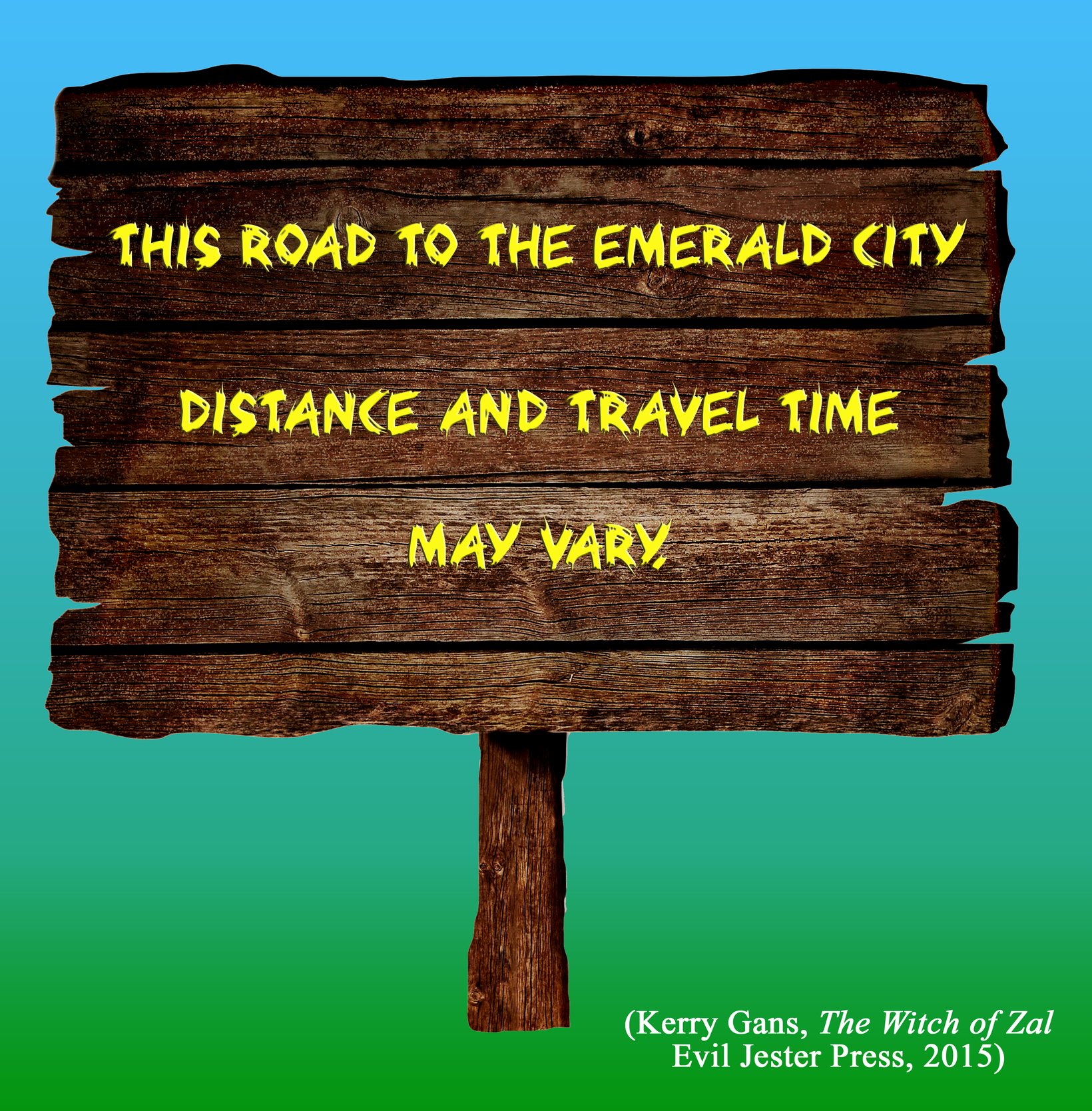
My publisher made the official announcement for my book! It’s getting real!

“The Witch of Zal is an absolutely delightful Steampunk twist on a beloved classic. Inventive, fast-paced and so much fun! Highly recommended.” – Jonathan Maberry, New York Times bestselling author of THE NIGHTSIDERS and ROT & RUIN.

Evil Jester Press is gearing up for a great summer/fall with some really cool new releases, and we’re finally ready to announce our first for 2015, hot off the development table and bound for production. Being a HUGE fan of the Wizard of Oz, I just had to get this book from the talented author, Kerry Gans, our first book for young readers, too. Honestly, The Witch of Zal will appeal to all ages.

Back Cover Blurbs:

“An enchanting, witty, whimsical Wizard of Oz meets Steampunk ride! With endearing characters, vivid world-building, humor and fun, The Witch of Zal also has its serious side, digging into the meaning of freedom and individuality. Kerry Gans’s writing has a ton of heart and soul.” Kit Grindstaff, author of The Flame in the Mist (Delacorte Press), SCBWI Crystal Kite award winner 2014

“Brothers Grimm meet The Giver in this richly imagined retelling of The Wonderful Wizard of Oz with an apocalyptic twist. Gans gives us an uplifting story of friendship and sacrifice that empower one girl to find the courage to transform her authoritarian world.” Donna Beckley Galanti, author of Joshua and The Lightning Road series (Month9Books)

The Witch of Zal  is a truly exciting adventure…futuristic… sure to thrill. In a place where no one has free will, one girl dares to make her own choices when she decides not to let the government take away her beloved petbot. Where evil zombicorns roam, where the future of a world is at stake, the only true salation rests with one girl who dares to be different. An unforgettable ride!” Marie Lamba, author of What I Meant…, Over My Head, and Drawn

“Kerry Gans reweaves the classic journey in the Land of Oz in a voice that speaks directly to the young reader of today…  The Witch of Zal grabs you from page one and creates a world full of mystery, adventure, and extraordinary characters that explodes in your imagination with dazzling color while exploring how choices impact friends, family and the essence of who we are.” Keith Strunk, actor, author, teacher and co-founder of River Union Stage, bringing Shakespeare to 4th and 5th grades for 14 years.


When the Hero is not the Protagonist

Disney's Peter Pan

Disney’s Peter Pan

My preschooler has moved back to watching Disney’s Peter Pan this week. Seeing it again (and again and again…) reminded me of something I had noticed during her last obsession with it. Specifically, I noted that Peter Pan was the hero, but was not the protagonist.

Wendy is the protagonist.

Sure, Peter Pan is who the show is about—and he certainly has many heroic adventures! But Wendy is the character who changes through the course of the story, and it is through her lens that we view the story.

In my understanding, the hero of any story is who the story is about, while the protagonist is the character who changes and whose POV we use to understand the story. In the vast majority of stories, this is the same person. But in some, as in Peter Pan, they are two distinct people.

What are the benefits of splitting these functions?

  1. Emotional anchor

When your hero doesn’t change, or is so different from the reader that the reader cannot relate to them, a separate protagonist can serve as an emotional anchor. Wendy is a typical young girl, and the viewers can latch on to her during this wild ride with a boy who never grows up and whose emotional reactions are either lacking or not what most people would feel.

  1. Point of View

A separate protagonist provides a lens through which to see the hero. Peter does not have the emotional maturity to view life as anything but an adventure. Had we been locked into his view of life, the view would have been much sound and fury signifying nothing. Wendy’s viewpoint provides us with a different angle, where we can see the often frightening events in Neverland, and also see the value of friendship and family—things Peter does not value.

  1. Acceptance of over-the-top heroes and actions

Finally, a separate protagonist gives us distance. We come to an unbelievable world and character with Wendy, who is a stranger in a strange land as well. Through her acceptance of Peter Pan and Neverland as real, we are able to suspend our disbelief and immerse ourselves in the adventure.

A careful watching of Peter Pan shows clearly that Wendy is our anchor. The story begins and ends with her, it follows her change, and the Disney version even hints that perhaps all the unbelievable adventure was simply a dream (the stage play does not leave this ambiguous, as the Lost Boys come home with the Darling children). Wendy is the emotional and moral compass of the show, while Peter Pan provides the swashbuckles and pixie dust.

What other stories use this split function device? Can you think of any more benefits when the hero is not the protagonist? Have you ever used it?

WP-Backgrounds Lite by InoPlugs Web Design and Juwelier Schönmann 1010 Wien