




A couple of weeks ago, both Ancestry and MyHeritage unveiled new tools for managing and figuring out your matches on their sites. These include tree matching suggestions, sortable colored dots to mark matches and make it easier to visualize, and auto-clustering of matches with a shared ancestor. I am eager to work with these tools, but as of yet have not. Why not?
My father.
More precisely, his DNA. His Ancestry test came through before the new tools, so I have been working through his many matches using the old interface, because that is how I started the process and the new one is very different. I am giddy with excitement over getting his results in for a few reasons, the first being that it took so long for it to process I was afraid it had failed.
The other reason is because it is an Ancestry test. His DNA is on other websites, but I have had the most luck tracking his matches on Ancestry. It is not unusual for people to have one company that garners more or better matches for them. MyHeritage, for instance, seems to do better with more recent European immigrant lines. It’s all about who tests where.
My mother is not on Ancestry (yet), and until my dad was, I had no way of knowing if matches to me were paternal or maternal. It is not uncommon to have a group of 10 or more matches who all match each other but you have no idea how that group relates to you. If you are lucky and can find one person in the group that you can trace back to an ancestor you share, then you know the rest of that group is also somehow on that family line.
I have been fairly lucky on Ancestry with figuring out matches. I have about 40,000 total matches on Ancestry. About 400 are 4th cousin or closer range. I have figured out how roughly 70 of them connect to me. Which doesn’t sound like much, but it’s a much higher number than I have been able to figure out at the other DNA sites. And of course that means any people who match both me and one of 70, I at least know what line they are on. So they are sort of half-figured-out.
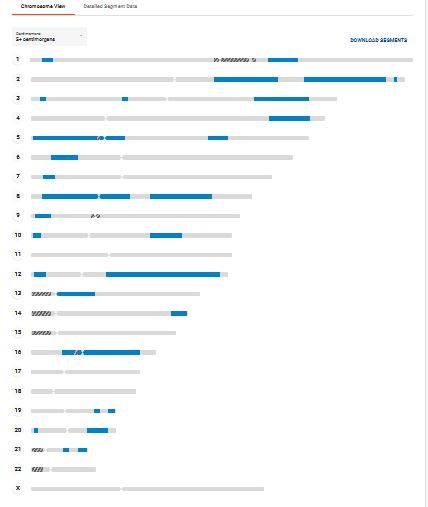
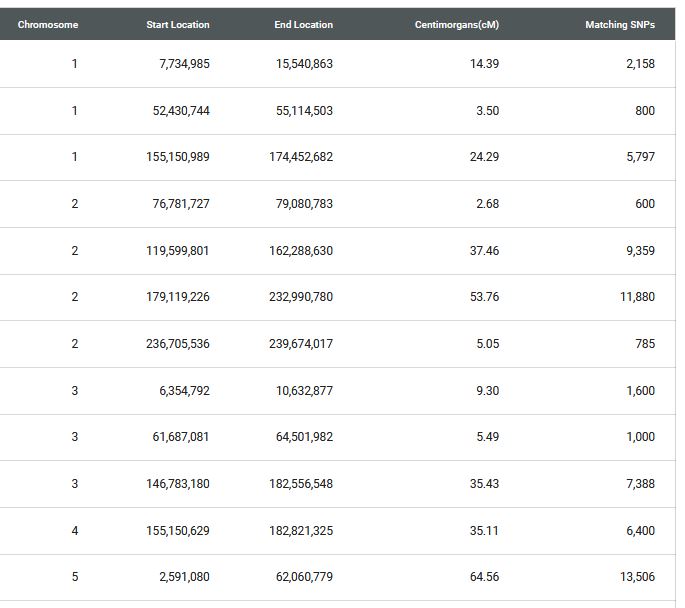
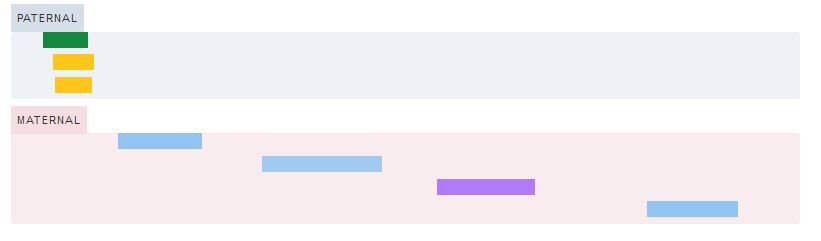
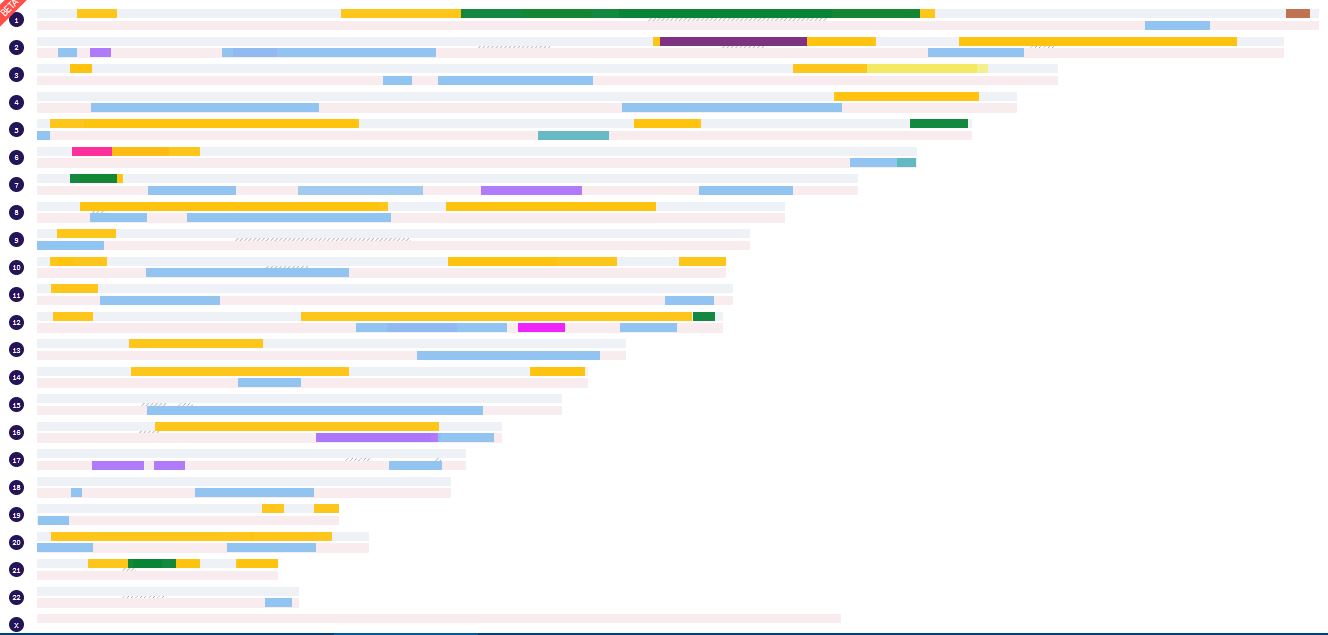
Now, with my dad also on Ancestry, Ancestry marks the matches that match him as Paternal. Which means that by default, the unmarked ones are my mother. So now I can mark those with colored dots and then sort my matches by her. This is great because her side of the family is much harder to trace than my dad’s. Now I can know for certain I am working on the correct side of the family!
Also, since my father is a generation above me, he will have stronger matches to people I match to, and he also has a higher number of 4th cousin and closer matches, which is important on Ancestry for Shared Matches. Where I have about 400 4th or closer, he has almost 700. By being able to spread the net wider and find a deeper pool of shared matches, I can hopefully figure out how some of these unknown groups fit into the puzzle.
So I have been fun working through my dad’s matches. Once I finish, I will jump into playing with the great new tools on MyHeritage and Ancestry and see if they smash down any brick walls for me.
Do you ever wish you could take a vacation just to indulge your hobby of choice?

Book Fair Spring 2019
It’s Book Fair time again! And this year it’s Dino-mite!
The first half of the Fair is usually the most hectic in my school. All the classes come in and browse the books so they know what they want when they return later in the week. The middle schoolers take care of themselves, but the younger grades make Wish Lists to take home for their parents to look at.
The Kindergarteners need lots of help with the Wish Lists, as many can’t read or write well yet. Some first graders need help, some don’t. Some just need help reading the titles that are in fancy or cursive fonts. Some kids need help finding the price on some books. And then there was the child who handed me a book and said, “Can you write this for me? The title is too long.”
By 2nd grade most kids are able to do the lists themselves and we only have to make sure they are including all the necessary information. There’s also a shift in the lengths of the lists in 2nd grade. While the little kids would put every book the see on the list, the 2nd graders are more discerning. They know the type of books they like, and often will read the back cover blurbs before deciding if they want to put it on their list.
We’ve gotten through the most hectic part of the week, and now comes the fun part–seeing the kids’ faces light up when they buy their books and realize they can take them home to keep.
In our school all of the money made at the book fair funds the library, allowing them to buy new books, repair machines, and other library needs. It is the only funding for these items that they have, so the Book Fair is not only fun for the kids but plays a vital role in keeping the library fresh and interesting.