

Gans Family Reunion 2016: Blood Is Thicker…

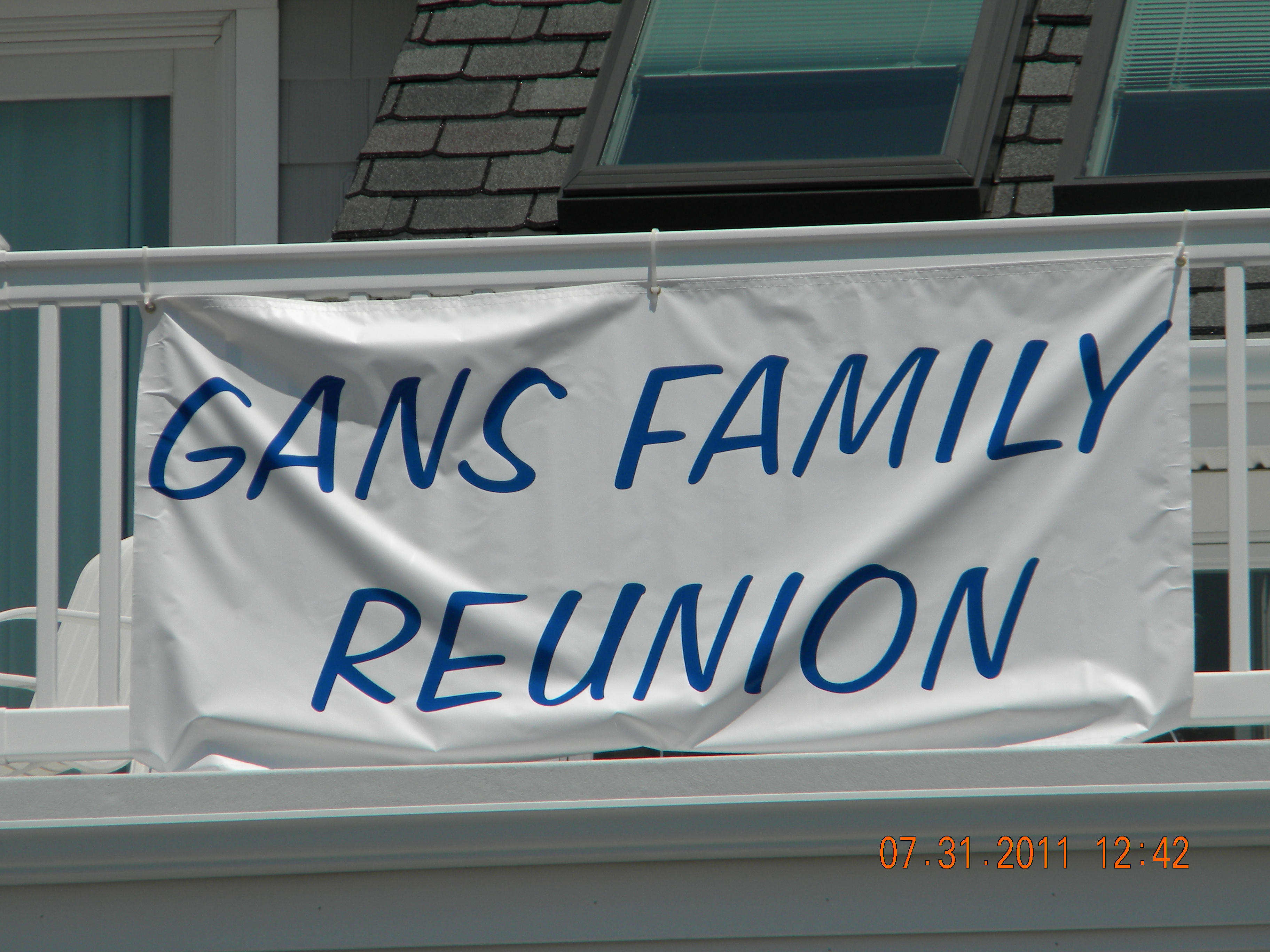
Gans Family Reunion BannerI attended the 2016 Gans Family Reunion this past weekend. This is the 3rd such reunion, over the span of almost 10 years. Prior to the first one, I knew very few of my Gans relatives—they were names in a family tree, elusive cousins who existed somewhere in the wilds of Haverford.

Once upon a time, my great-grandfather George married Catherine. He had 2 sons and a daughter that survived to adulthood. His wife Catherine died in the 1918 flu epidemic, when her youngest child, my grandfather, was only 3 years old. George married Helen some six months later, and with her he had 2 daughters and a son.

Although we cannot know the family dynamic, we do know that the younger children did not know for some time that the older children were not full siblings. We also cannot know Helen’s feelings for her husband’s first children. All we know is that when my grandfather Bill married my grandmother, my great-grandfather disowned him. The story is that it was because my grandmother was not Catholic, but many feel that was a convenient excuse to cover whatever deeper issues prompted the move.

The rift was not a complete sunder—my eldest uncle remembered his first cousins, and they remembered him. My father remembers being at my great-grandfather’s house on one occasion, and my great-grandfather letting them into the movie theater where he worked for free. Once my grandfather moved his family from Haverford to Ocean City, though, the gap widened as distance took its toll.

Still, tenuous ties remained. My eldest uncle would stop in and see his cousins when in the area. He attended an earlier Gans reunion, which sparked the ember. Finally, my father’s first cousins decided on a full Gans Family Reunion. They were all getting older, and what did some falling out 70 years ago matter anymore? All the participants were long dead.
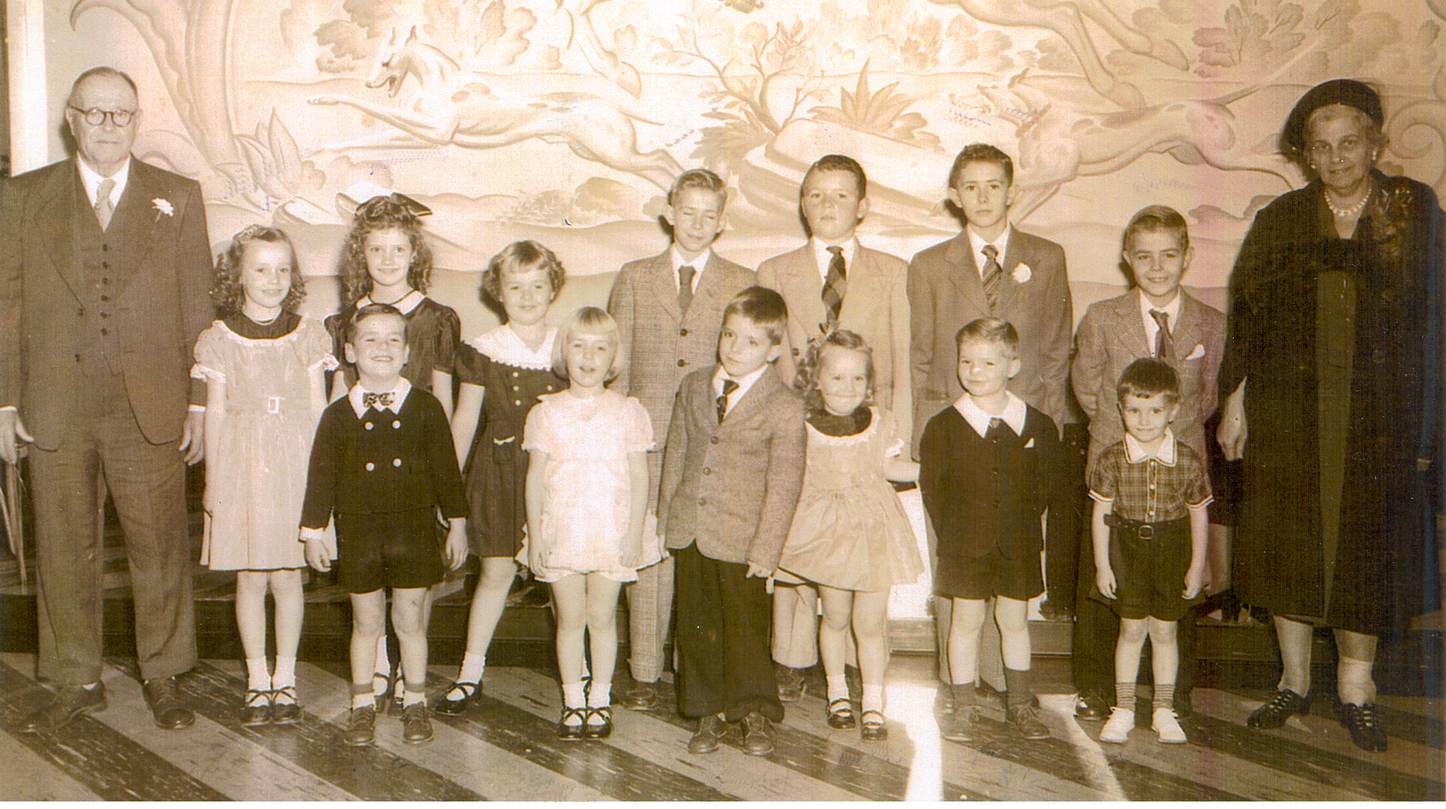
Gans cousins 1950

Gans cousins 1950

And thus the first Gans Family Reunion happened. Everyone had such a great time, they have repeated it twice since. Several of us from different branches of the family are interested in genealogy, so we shared information and continue to do so today. It was gratifying to find that the 3 of us had found the same family line—independent confirmation of our findings.

Nowadays, we have DNA to help in our genealogical research. My dad did a DNA kit already, and two of his first cousins are also going to do it. Hopefully they will all match!! Our Gans DNA is strong. Looking at the first cousins, the resemblance is striking. And people this time noticed how much even some of the 3rd cousins looked alike.
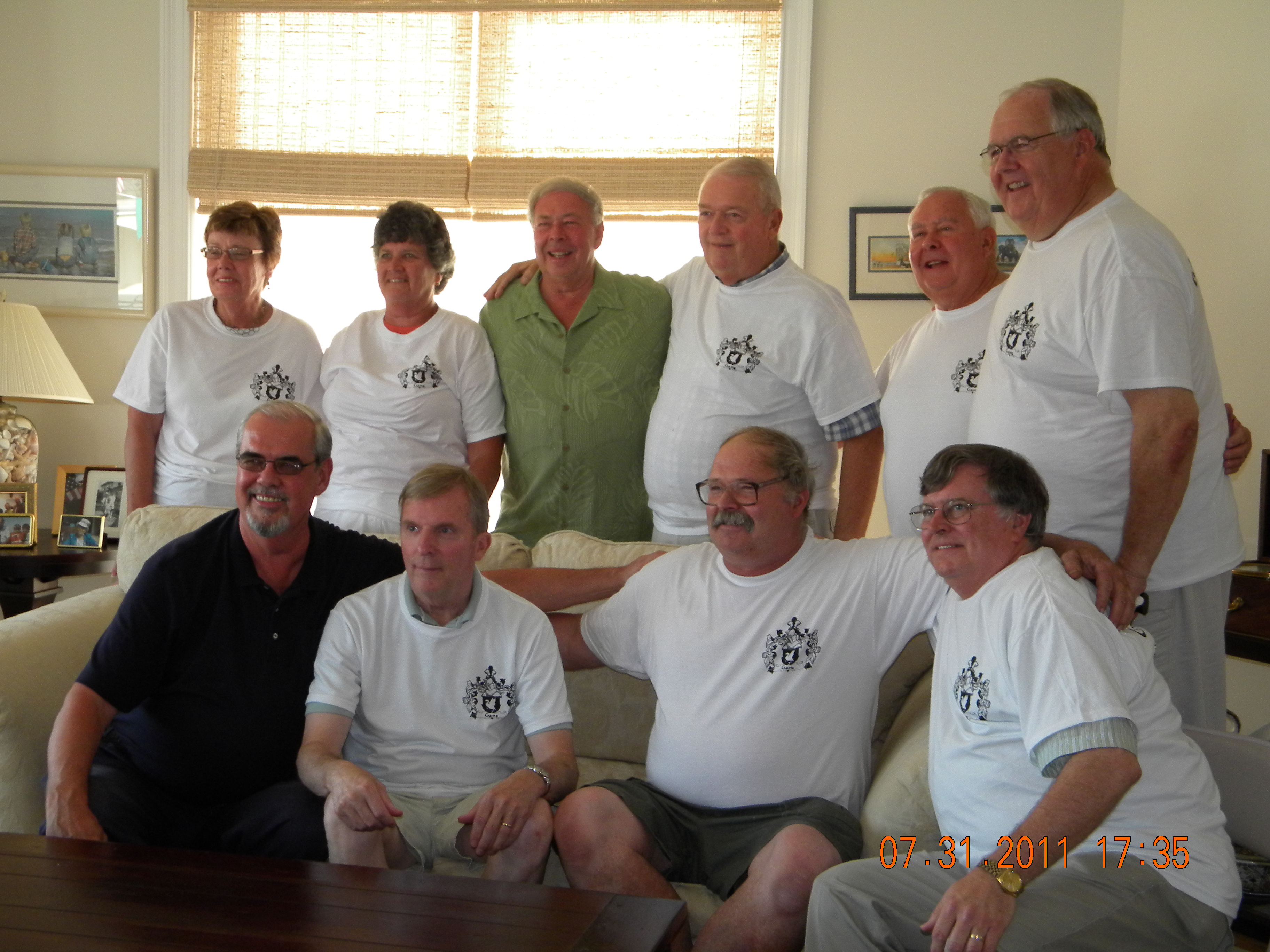
Gans Cousins 2011

Gans Cousins 2011

I am so grateful for my Gans cousins for hosting these events, where distant cousins become not-so-distant. Blood truly is thicker than water, calling us together as time diminished whatever squabble had torn the family apart. I look forward to having more get-togethers in the future, where past, present, and future collide.
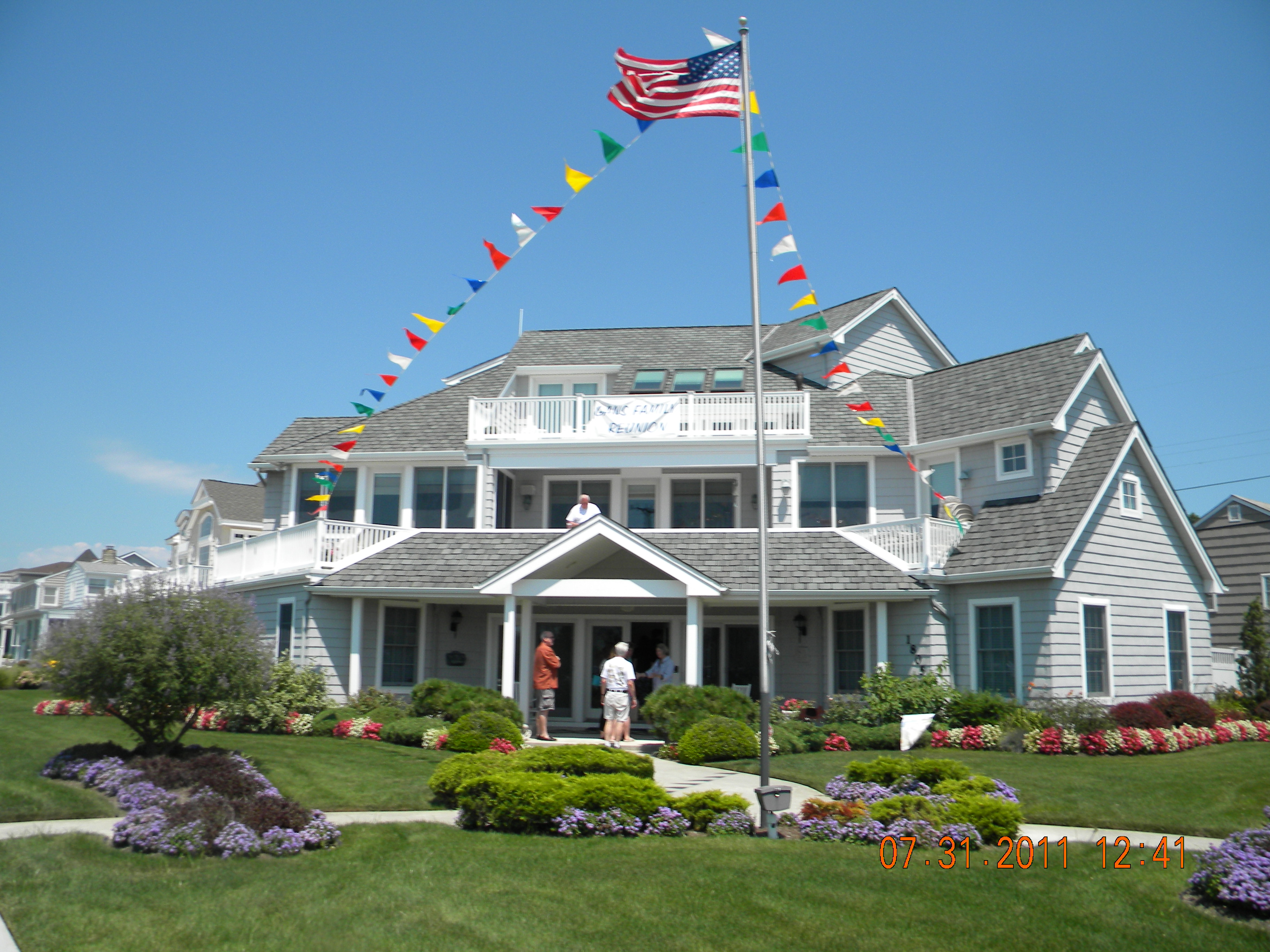
The house where the Gans Family Reunion took place

Save

Save

Summer Slump: Is It September Yet?

I got the call yesterday. The Theater Camp my daughter was supposed to attend next week was cancelled because they didn’t have enough kids. My gal was disappointed–but I was the one near tears. Why? Because I just saw 10 hours of precious writing time vanish into thin air.

I’m in the summer slump.

Word Count chart showing summer slumpI haven’t worked on my WIP since June 27th. Not a word. Chapter 50 is waiting for me. And waiting. And waiting.

Between running my gal to swim lessons, teaching at her summer camp, shopping for a new car, and entertaining my daughter, I have had no time for anything other than the necessities.

Mostly I’ve been doing marketing. Blogging, sending requests to reviewers, setting up appearances, and lining up beta readers for another WIP. Yes, I realize that if I stopped blogging I would have more time to write, but a) I like blogging and b) right now I get more name recognition for that than my books.

So, I am wrestling with the guilt I always deal with. When I’m chilling with my gal, all I can think about is the work I’m not doing, and when I’m working I think I’m neglecting my daughter. This is probably typical for working moms, but I think it’s magnified during the summer slump when my daughter is home more frequently.

Once you move into the published side of writing, there is an incredible amount of pressure to churn out material. Everything you read implies that the most successful authors are the ones with many books. Having my writing come to a complete halt (when I am already slow) adds to the pressure. On the other side, being a mom is always a pressure-intensive job. I feel like I’m being squeezed in a vise between the two. It’s not pleasant.

I think I need to just accept that I’m going to write almost nothing for the next six weeks. It’s a bitter pill to swallow, but if I keep striving for the impossible I will grow resentful. Not the way I want to spend the summer with my daughter. I want to enjoy our time together, as I know soon enough she will be making summer plans of her own and I will never see her.

In future years, I will try to structure my writing year with this “summer slump” in mind. I will try to schedule as much marketing and other tasks I can do in snatches of time for this time of summer.

So I’m going to take a few deep breaths and see what happens.

How do other parent-writers survive the summer months?

Save

Save

Learning From Teaching: 5 Lessons My Students Taught Me

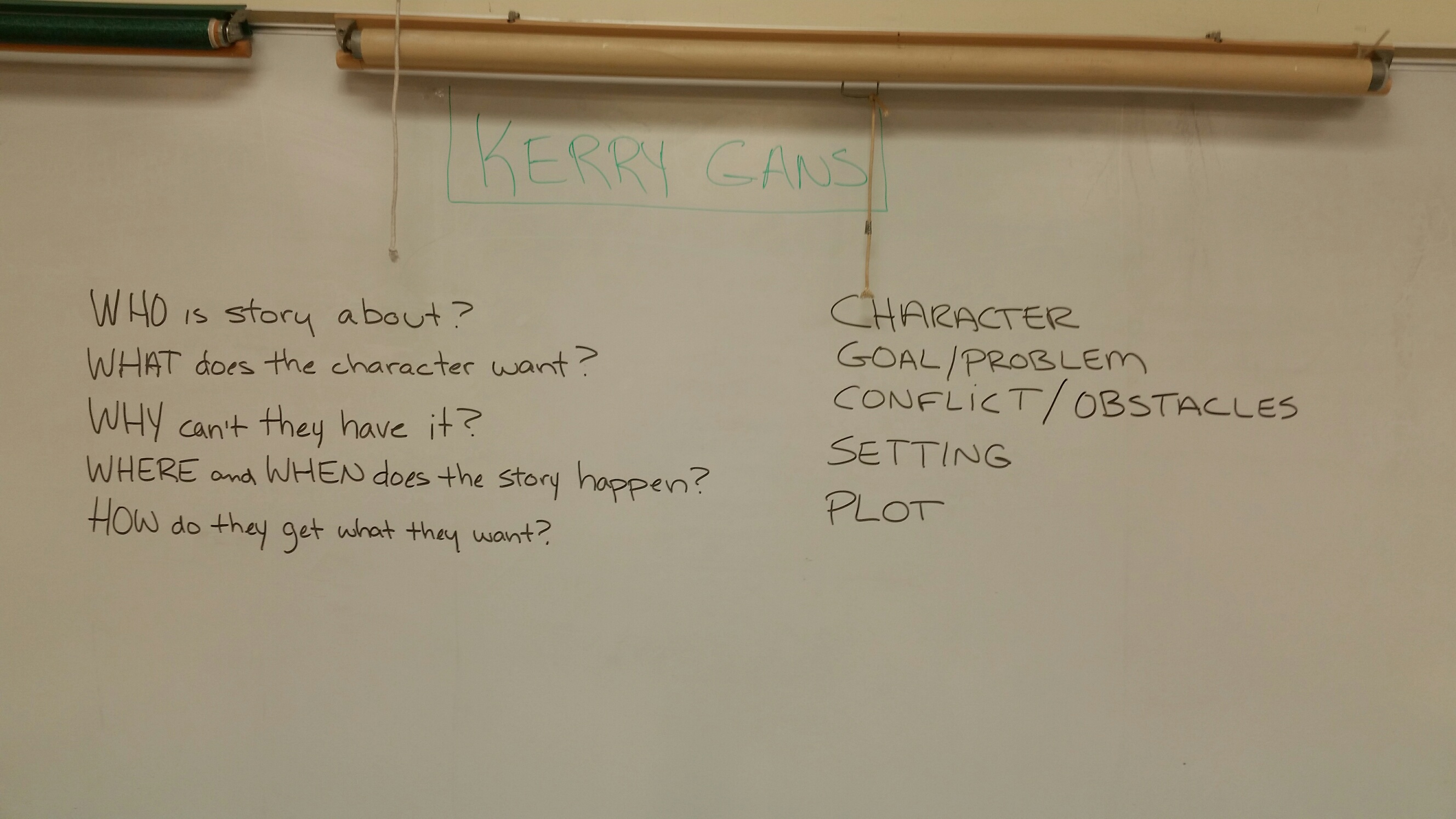
Author Kerry Gans teaches a workshopI completed my first teaching job this week—I did my Build Your Own Story workshop for the kids at my daughter’s day camp. I don’t mind admitting that I was pretty nervous. I knew the material, but could I handle the kids? I fully expected to be learning from teaching as much as sharing what I knew.

I met the kids for an hour each time—some I only met once a week, some more than once. They came in 5 groups: 1st/2nd grade, 3rd, 4th, and 5th/6th/7th. Quite an age spread! I came prepared (but not as prepared as I thought I was), and tried to adapt my teaching on later days to compensate for the mistakes I made in the early classes.

I learned 5 things from teaching:

1. Always have more material than you think you’ll need.

Originally, I expected to see each group once per week, and had planned accordingly. I found out when I arrived that I was seeing some groups twice the first week AND then at least once the second week.

Author Kerry Gans' Build Your Own Story workshopI thought I had figured out how much material I needed for the first hour workshop—but I was wrong. Mostly because the kids had almost no questions, so my Q&A time was unnecessary!

And even though I planned to have extra material the 2nd week, I STILL ran under time with the 3rd and 4th grades! The 4th grade I ran short because I underestimated how long it would take each group to share the stories they had written, and the 3rd because of a mistake I made that I will address later in this post.

2. Active kids are happy kids.

Although this was a workshop, it was also summer camp. I didn’t want it to be a school lecture. The first day I screwed that up with the 4th grade—many of them seemed disinterested, so I panicked and started lecturing rather than trying to engage them.

The second day that I met the 1st/2nd graders, I had them right before lunch. We reviewed what we had learned the first time we met, and then I let them go to writing their own stories. They had a blast, writing and drawing. But when the time came to share their stories, I couldn’t get them back. Their attention had gone. I had the kids who wanted to share come and tell me their stories, so that was all good, but I wondered what I could have done to engage the others. Their councilor said that they had been sitting all morning and really needed to move at that point.

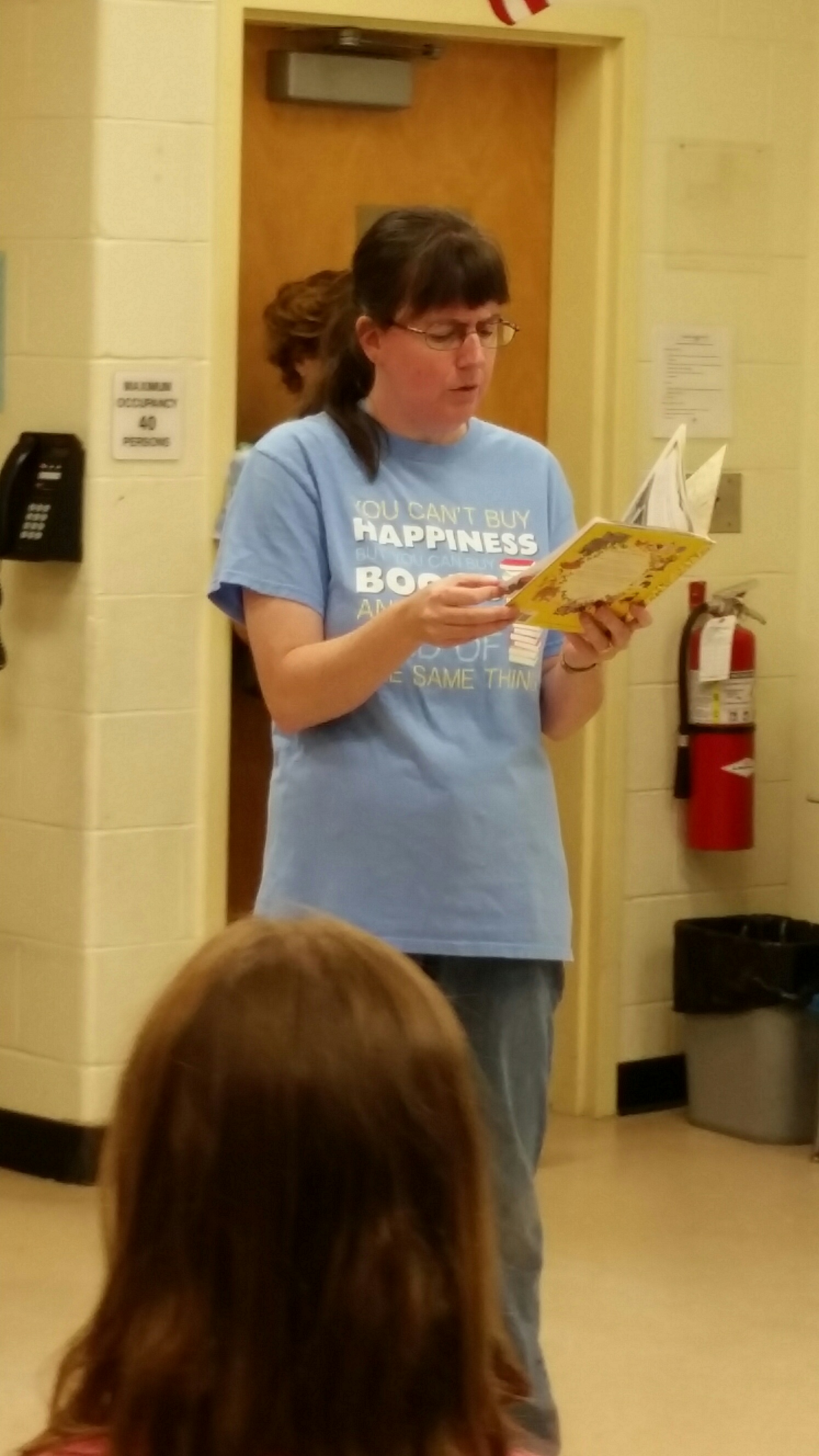
Author Kerry Gans reading to the kidsI remembered this for my last day of teaching, when I created a get-up-and-move game for the younger kids called Wiggle Words. It worked well for getting them up and moving and keeping them engaged.

3. There’s a fine line between being flexible and being overrun.

Since I was learning from teaching, I wanted to be flexible. I tried to engage the kids on their terms, to find out what their interests were. And I discovered that being flexible should come with limits.

The second week, when I had the 3rd grade for the 3rd time, I used all three of the activities I had planned, but still somehow ran short. Any one of those three activities could have been expanded, but I made the mistake of asking, “Do you want to do X? Y? Z?” To which they all replied “No.”

So we played Red Light, Green Light for the last 15 minutes of class.

I realize now that I should have phrased it as “Which do you want to do—X, Y, or Z?”, thereby eliminating the possibility of them saying “No.”  Or I should have chosen myself.

When the next group came in, I didn’t make that mistake again. I also did one extra round of each activity to start with because I knew I would need to.

4. Kids will surprise you.

I admit, I had the most trouble with the 4th grade. The first day I had them I freaked out when they weren’t all enthralled. I may have had similar troubles with the 5th/6th/7th grade if I hadn’t been learning from teaching. Because of the disinterest of some of the 4th graders, I planned a different activity using the same material for the middle grade kids—and it worked much better.

Learning from teaching in summer campSo when I saw that I had the 4th graders again on my last day, I worried that they would not be willing participants in the planned activity—which was to take what we had learned and write their own story. They proved me wrong. I allowed them to work in groups, and the kids I thought least engaged came up with the best-thought-out story!

Another moment that surprised me was when I did Wiggle Words with the 1st/2nd graders. Wiggle Words involves me reading a book, and the kids doing different movements when we encountered an element of story we talked about (character, goal, obstacle, setting). The 3rd graders had participated as expected but the little ones…well, they all wanted to see the pictures in the book, so I ended up surrounded by them and running doing all the movements with them to keep them moving!

5. Be humble, learn from your mistakes.

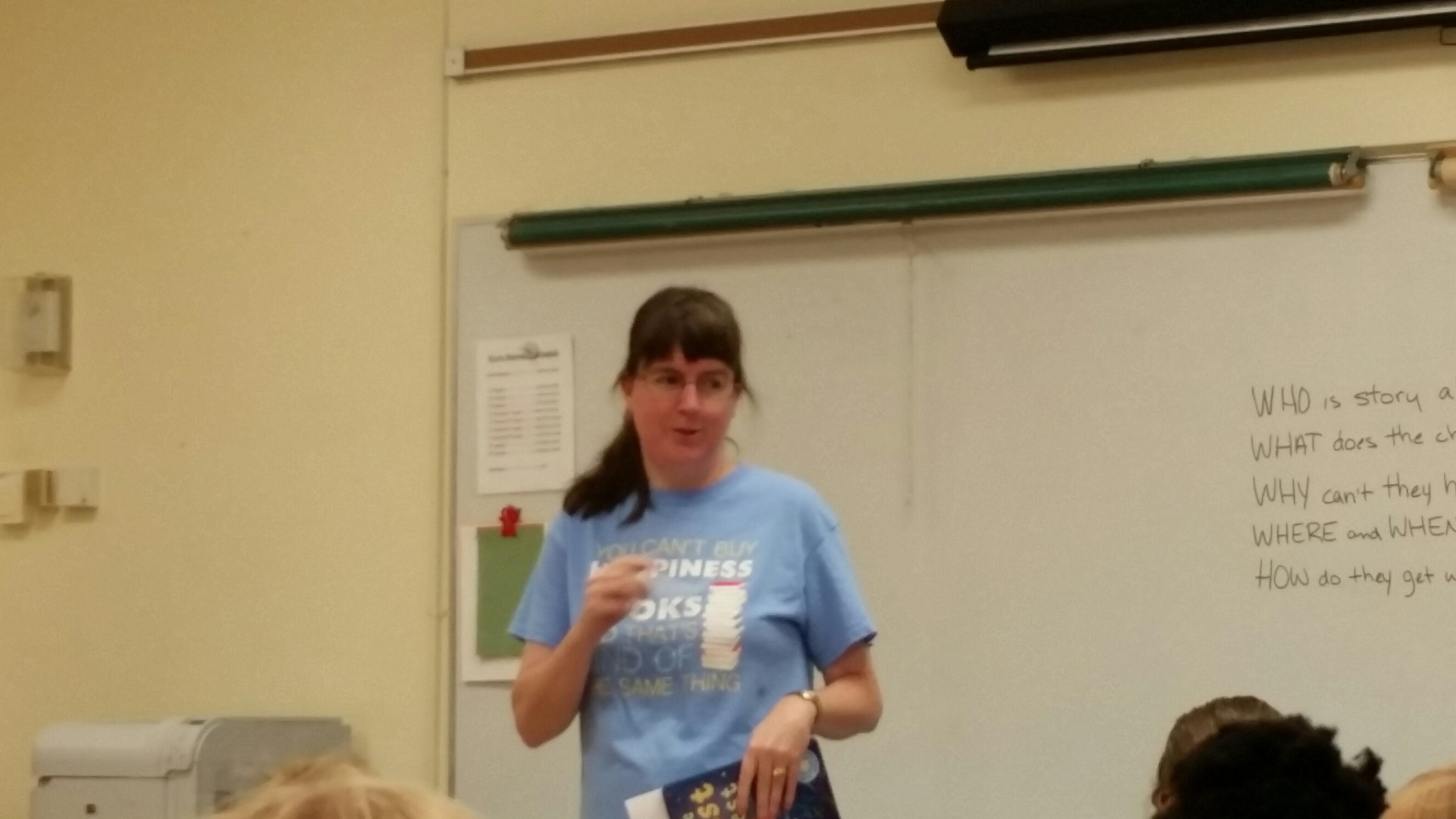
Author Kerry Gans teaching a workshopI learned as I went. I knew going in that I didn’t know much about teaching, so I tried to keep an open mind. I made sure I had more material for the 2nd and 3rd days of the workshop than I thought I would use. I planned an active game for the younger kids. I changed my interaction with the 4th graders. I improved over the course of these 3 workshops, and I have gained some valuable insights for when I do school visits in the fall.
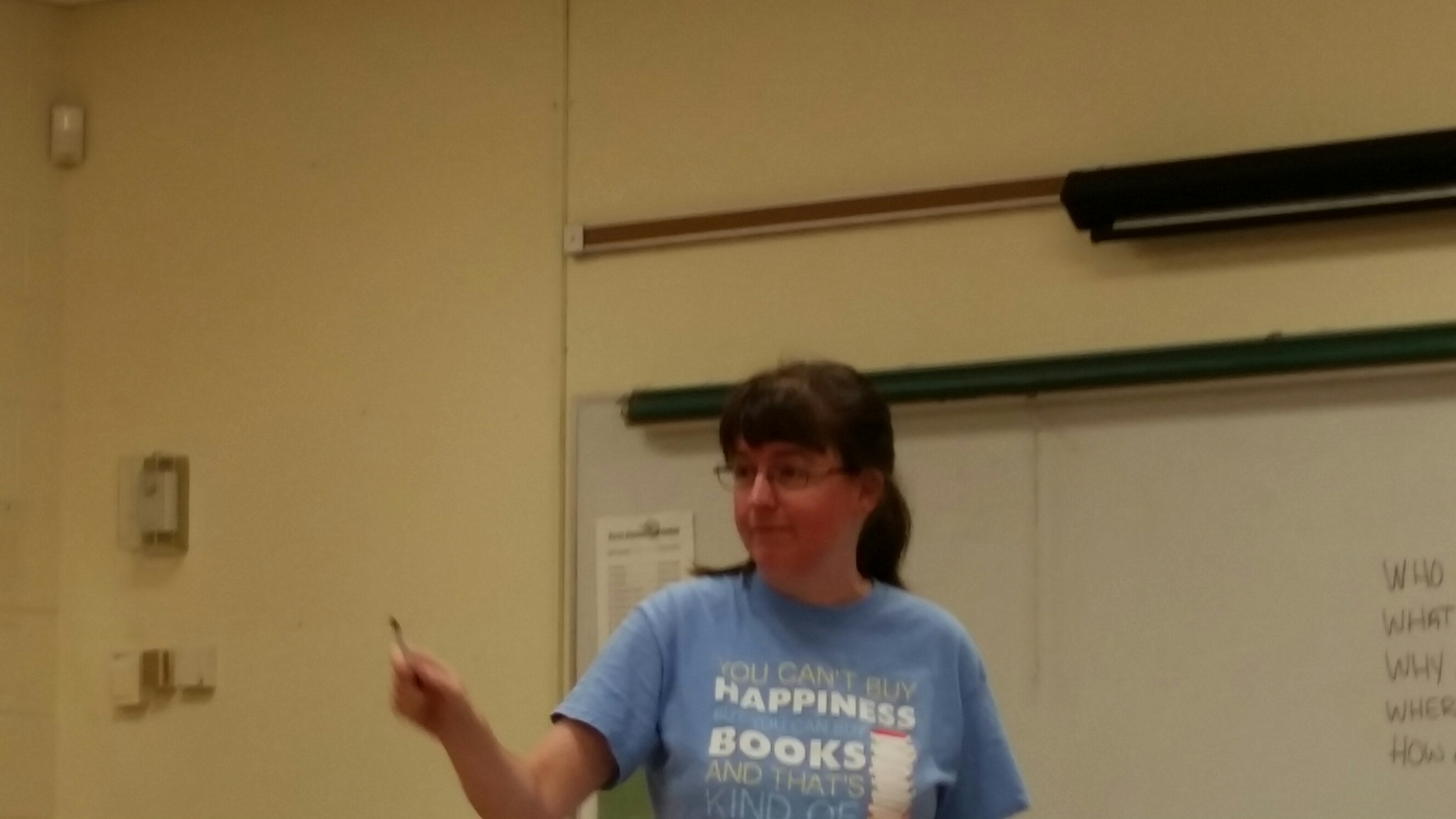
Overall, I had a great experience with the kids. They taught me probably as much as I taught them. I learned to come over-prepared, to be flexible within reason, to keep the kids active and social, and to stay open to what the kids will show me. And, after being chided by three separate children (including tears from one) upon hearing that I only had pencils to draw with, I learned perhaps the most important lesson of all…

Always bring crayons.

How about you? Any tips for teaching and engaging kids you can share?

Save

Save

Save

Save

Save

Save

My First Teaching Experience

20160705_115143_1467854642723_resizedAt the time of this post, I am teaching my second day of Build Your Own Story workshops at a local day camp. I will freely admit that I never wanted to be a teacher. I haven’t the temperament for it, nor the calling. While I have been told I am a good teacher, I find that true mostly in one-on-one situations. Put me in front of a group, and I get the jitters.

This is a reflection of my own weaknesses—I am an introvert, and I hate being the center of attention. Of course, as most teachers know, there are always some kids who are not paying attention to you, and that makes it worse. When I feel like I am not connecting with my audience, I wonder what I am doing wrong, how am I failing them?

20160705_105856_1467854645496_resizedPerhaps I am not doing anything wrong, but simply have to find ways to engage the kids better. In my first teaching experience, I taught (separately), 1st/2nd graders, 3rd graders, and 4th graders (I have the 5th/6th graders today). The 1st-3rd grade classes were fun—the kids were eager, they had ideas, they wanted to be heard. And since I have a 6-year-old, I could relate easily to them.

The 4th grade class was harder. About half the class actively participated, the rest sat and watched silently. At least they were polite and didn’t talk through the class. And a few of them sparked up a bit by the end. Truthfully, I think I panicked when they didn’t all seem eager and turned the class into more of a lecture than a participatory event, which may have caused them to further withdraw.

20160705_105844_1467854647348_resizedI am going to try something different with the 5th/6th grade today. A Jigsaw Story. Once we discuss the 5 basic story elements, I will break them up into 4 groups, and give each group a few minutes to come up with one of the first 4 elements—without knowing what the other groups are thinking. Then we will put what I hope will be 4 wildly incompatible and therefore funny elements on the board and strive to make a coherent Plot out of them. At least it will get them talking and being social and hopefully help loosen them up. We’ll see.

The experience so far has been a rewarding one. My most memorable moment came when I had finished with the 1st graders and one little boy started to cry. I asked why he was crying and his friend told me that he was sad because he had not gotten to write his own story about lions and tigers (today they get to write their own stories). So I got down on his level and asked him to tell me his story.

I had to ask a few leading questions, but in just minutes his hands were no longer covering his face and the tears had dried. His story spilled out of him (and it was a good story, too!), and his passion and eagerness wiped away the disappointment. To me, this was a pure lesson in the power of story. All this little boy wanted was to share his story. For his voice to be heard.

On the whole, my first experience teaching kids has been a good one. The kids have been creative and eager and I hope I can learn from them how to be a better teacher.

20160705_115151_1467854641066_resized

Save

Save

Save

Save

Summer Slog: A Writing Parent’s Dilemma

Handwritten page showing second-guessing with crossoutsMy child and husband just arrived home from a 10-day vacation. I cleaned the house, but I also wrote a lot. Now that they are home, I am preparing for the summer slog.

Any writing parent dreads summer—that time of year when your carefully guarded writing time vanishes into the hazy air. Our school-time schedules no longer apply, as we alternate between running our children to activities and spending time with them at home.

Some writing parents handle the summer by simply giving up on writing. They put it on hold until September and take any writing time they get in summer as a gift. Perhaps this is a smart way to handle it—low expectations mean no disappointment. Also, it puts no pressure on you to find time to write. This may be the healthiest approach, overall.

However, some of us have deadlines. We cannot afford to take 3 months off. Others of us simply cannot go that long without writing. I know personally that taking 3 months off would make me crazy. The lack of creativity would affect my mood, my outlook, my interaction with my family. I would, in short, resent this absolute curtailment of my writing, and the last thing in the world I want is to resent my child.

So what’s a torn writing parent to do? How do we find time to write while spending quality time with our child? I have come across several suggestions for dealing with the summer slog:

  1. Get up before everyone else.
  2. Go to bed after everyone else.
  3. Day camp your kids.
  4. Babysitters.
  5. Kids entertain themselves.

I imagine most writer-parents do some combination of above, based on age and needs of the child and financial means. For me, number 1 is laughable—my brain is not creatively functional (or at all functional) before about nine AM. Number 2 is more viable, since I am a night owl, but since I already do this I cannot use it to increase my summer writing time.

I’ve got number 3 in hand—a few weeks of day camp are paid for. Some writer-parents hire babysitters to come and take care of the kids in the house while the writer locks herself in the office or bedroom to work, but my number 4 will most likely be in the form of grandparents coming over to take my daughter out to places and the occasional play date.

Fridge

When my child entertains herself

Number 5 can be tricky depending on your child’s age and needs. At six years old, my daughter is now capable of entertaining herself for several hours if needed. Number 5 is often a judicious mix of TV/computer time, reading to herself, and simply being told to fend for herself until a certain time while mommy works. Number 5 has not worked very well in the past, but I think this year will see a more successful attempt.

So writer-parents, how do you handle the summer slog and make time to write while your kids are home?

Save

Save

Save

A Clean-Out Vacation

My 6-year-old daughter is away on vacation, so I have 10 days to myself. So am I lounging around the house all day, reading, writing, daydreaming?

Hardly.

I am cleaning the house like a maniac.

I don’t know if all 6-year-olds are like this, but mine is like a hoarder. Every scrap of paper, every plastic fast-food toy, every empty toilet paper roll apparently has sentimental value, so throwing it away in her presence precipitates an emotional meltdown. Piles of junk accumulate, stuffed in corners and closets and dressers.

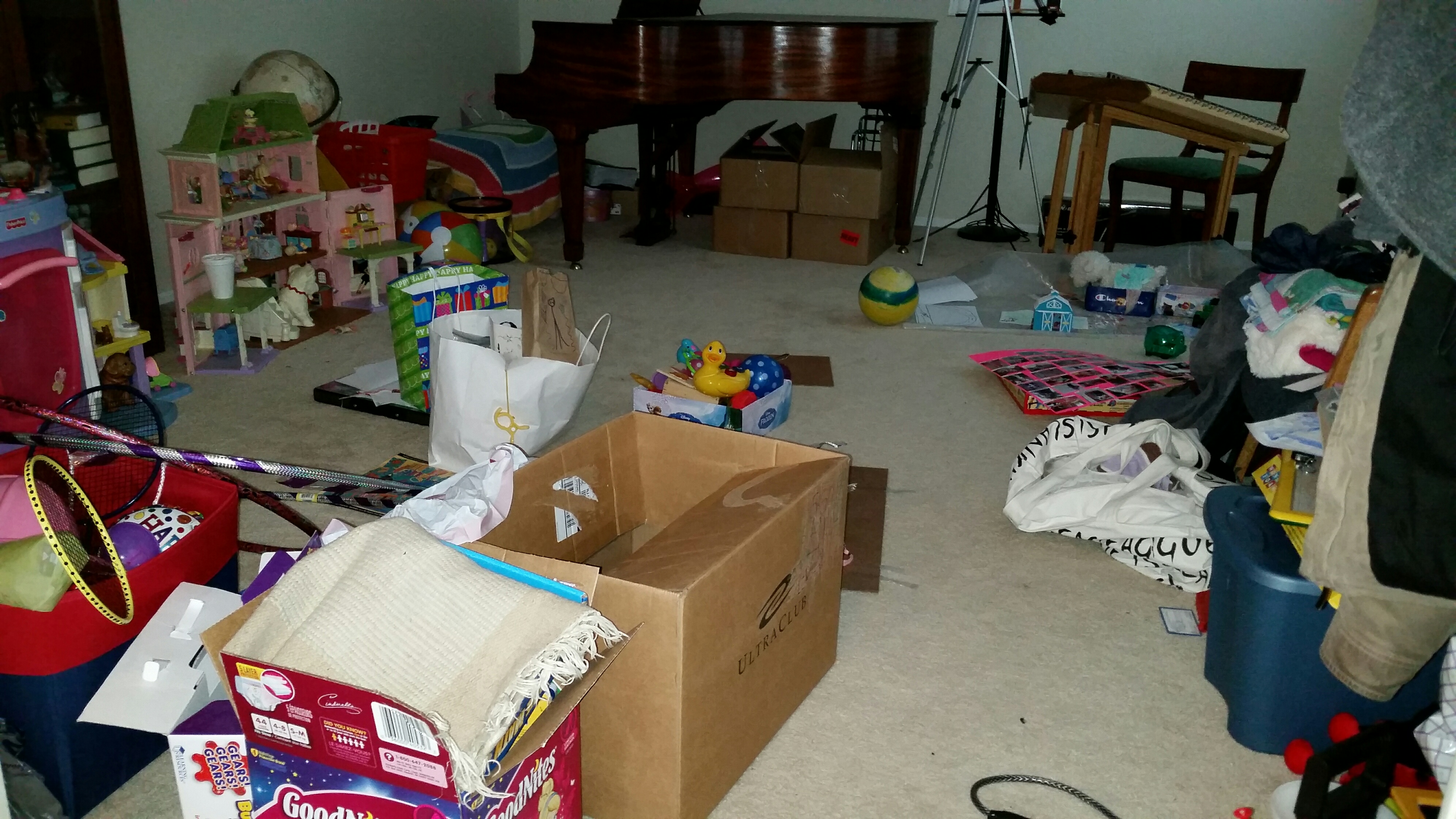
My daughter, while a pack rat, is very good at being neat about it. She manages to pack a HUGE amount of detritus into a small space. Every box, every bag, every cup or bucket I found brimmed with these questionable treasures. And yet, her room seemed tidy at first glance. The living room (which doubles as a play room) appeared spacious. (The picture below was after I had moved some things into the living room from her bedroom.) But her room has a large closet, and the living room was artfully arranged so the dollhouses blocked the view of the “storage.”

Living Room Before Vacation Cleaning

Living Room Before

Combined, it took me 9 hours to sort through and clean up those 2 rooms.

I am not an unfeeling person. I understand the urge to keep all the things. I have a bit of the pack rat in me, too. So my cleaning is not dumping willy-nilly. I do actually look at every piece of paper, and every toy (albeit quickly) and decide if my child will look for it when she comes home. Did this item mean something special to her? To me? To her dad? The items that hadn’t seen the light of day for months got pitched, the rest sorted and saved.

Thus the 9 hours.

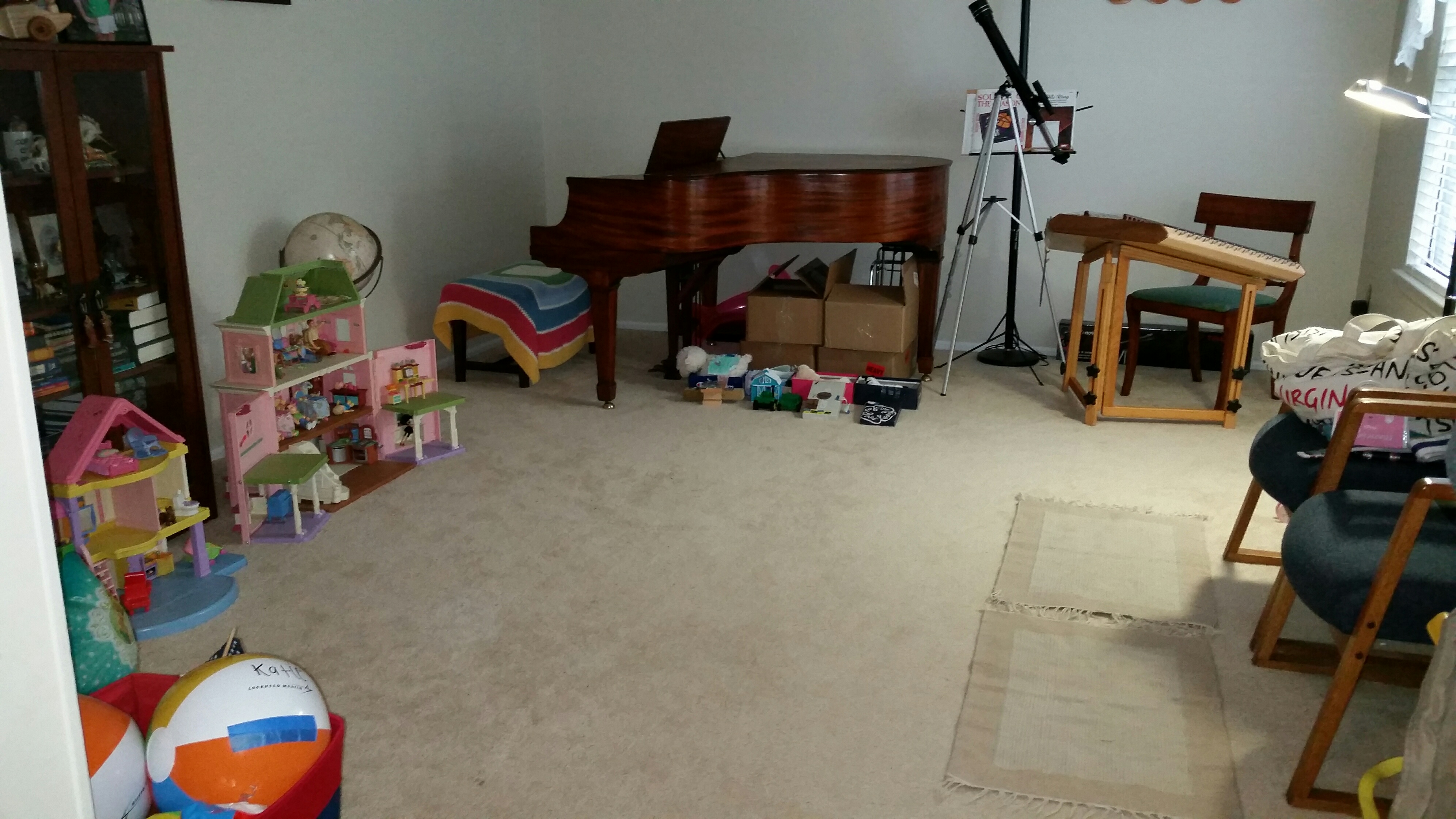
Living Room After Vacation Cleaning

Living Room After

After 5 days of cleaning, I am now at the end. The house is about 50 pounds lighter (seriously, I took 7 bags of trash and 2 loads of recycle to the curb this week), and much neater. I don’t think the house has been this clean since we moved in. The inside of the fridge blinded me when I looked in. I can see my desk in my office. An avalanche does not swamp me when I open my daughter’s closet. The whole space seems both lighter and brighter.

I dislike cleaning, but I do love the instant gratification it gives. You clear a space, and it’s clear. You dust something, and it shines. You vacuum and the carpet doesn’t have those annoying little flecks on it. Everything is in order.

Order doesn’t happen often in this world.

I plan to spend the rest of my vacation writing. Then my young one will come barreling in the front door and chaos will rule again—and I will be glad.

Are you an everyday clean fiend or a marathon cleaner like me?

Save

Save

Save

My Biggest Takeaway: 2016 Philadelphia Writers’ Conference

DSCN9802Usually my biggest takeaway from the Philadelphia Writers’ Conference is something I learned about craft or a network connection I made or a revelation about myself. To that end, I was mulling a post about structure, causality, and emotion, but I decided not to write that for today (you may see it in the future, though). Why didn’t I write that post? Because that topic is not the one that my mind is still replaying almost a week later.

What is on my mind this year is not an answer—it is a question. Or rather, 3 questions.

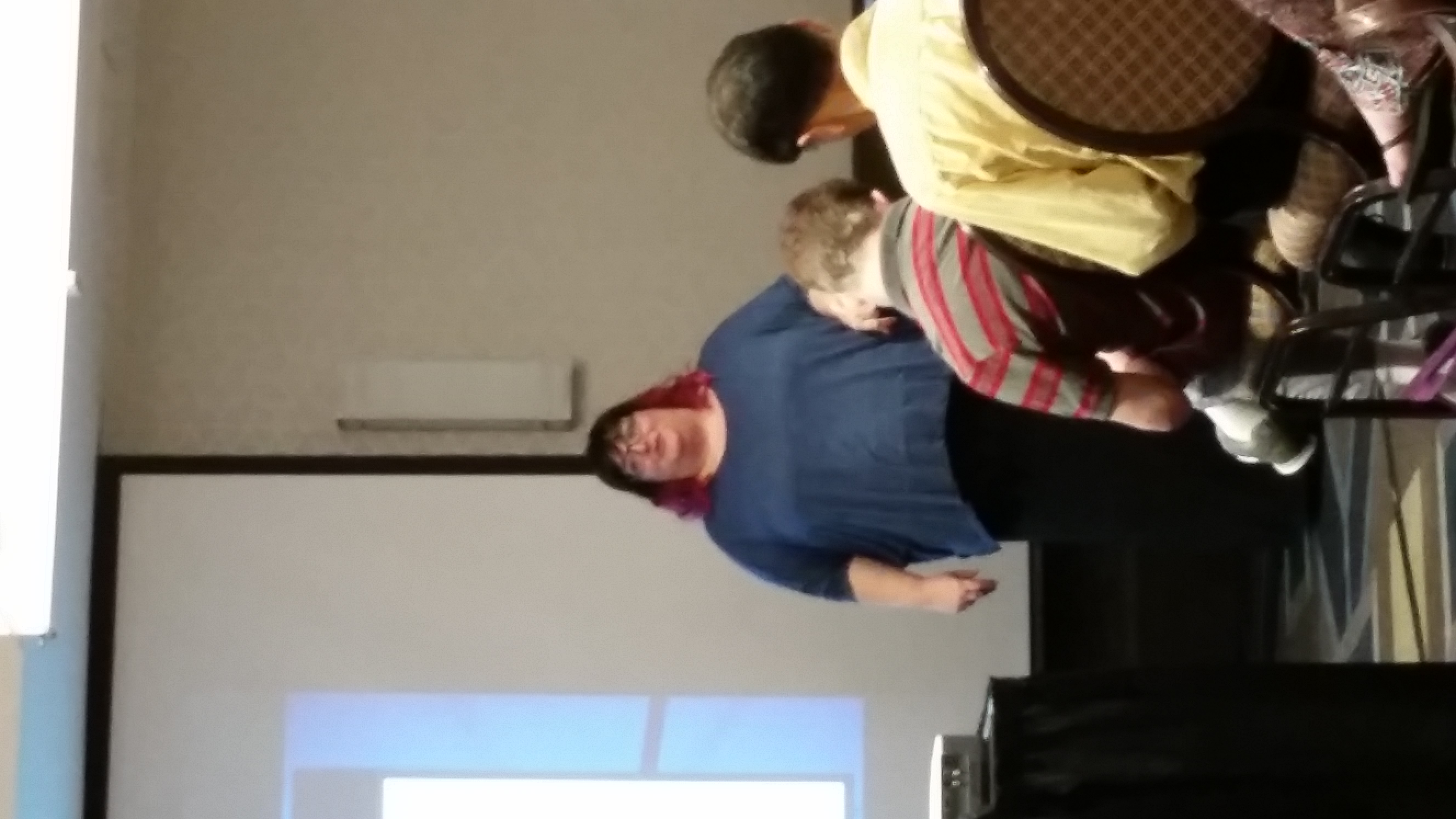
Cecily Kellogg gave Kerry Gans her biggest takeaway this year

Cecily Kellogg

In the very first class on Day Two, Cecily Kellogg gave a wonderful workshop on building a digital author brand. She gave us a whole lot of fantastic information, and in amongst the multiple slides of her presentation was one with 3 questions: “What makes you special? Why would people want to connect with you? What unique thing can you offer?”

Now, it was first thing in the morning. Most people’s coffee hadn’t kicked in. I don’t drink coffee, so I was at an even further disadvantage. But those questions stopped the room cold. The concepts embodied in those questions were the topics I heard most people talking about after the workshop was over.

1) What makes you special?

Now, writers are often stereotyped as having low self-esteem—and there’s a reason for that. Most of us, while perhaps not having LOW self-esteem, also do not think we’re anything special. I know I feel eminently average. I think we all consider our lives uninteresting, because to us it’s everyday life. The daily grind. We don’t consider that others may find parts of our lives fascinating. What makes me special? I have no clue.

2) Why would people want to connect with you?

I am certain Cecily meant this in the “what can you do for me if I follow you” sense. In other words, what can I do for the customer. What value do I bring. Well, I don’t really have an answer to that, either, from a tangible perspective. As a person, I know I’m a trouble-shooter , and I’m good at connecting people to information they want.  I am a listener and good at reading people. Are those saleable points in an author? How do I turn that into a tangible, marketable trait? I don’t know.

3) What unique thing can you offer?

I chose to interpret this as “what is unique about your writing”—in other words, from a product point of view rather than a personal point of view. Without shifting the focus to the product (and, yes, your writing is a product), this question would be the same as #1, and I don’t think Cecily meant it to be redundant.

In spite of changing the focus, I think my answer is a lot like #1. My writing is good, but not Nobel worthy (yet!). I hope to empower kids to be proud of who they are, and to accept others for who they are, even when that is different from themselves. I hope to encourage them to think for themselves and stand up for what they believe. I hope a lot of things, but I don’t think that my hopes differ very much from the multitude of children’s writers out there.

So, you can see I have no immediate answers to these questions. However, these are extremely important questions to answer, in order to build the most effective digital brand and the most comfortable author persona. What’s a clueless author to do?

One person in class suggested that we ask people who know us well (and will answer honestly) these questions about us and our work. We all know that the way we perceive ourselves is vastly different from the way others see us—even others who know us intimately. So I suppose, while I keep mulling over these questions myself, this is the way I will start my research.

So I guess my biggest takeaway this year was learning what I don’t know–and now setting out to find it.

What about you? Can you answer those questions about yourself and your work?

Save

Save

Save

Anticipating the 2016 Philadelphia Writers’ Conference

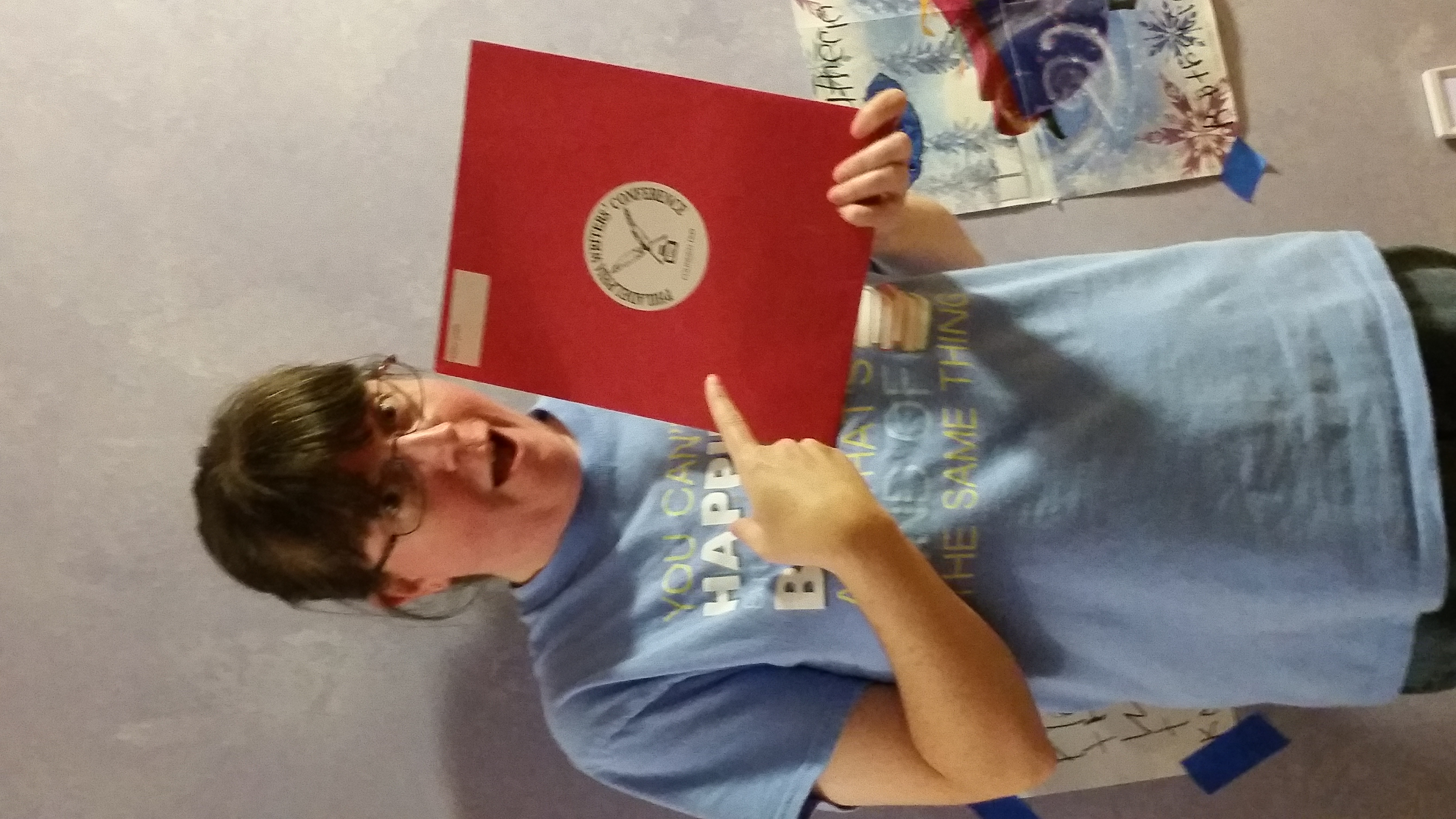
Author Kerry Gans excited about the Philadelphia Writers' ConferenceAt this time tomorrow, I will be at the Philadelphia Writers’ Conference (PWC), immersing myself in craft, business, and writerly inspiration.

The three-day event always gets my creativity moving, and I always come away with something valuable. Whether it’s conquering pitching fears, discerning weaknesses in my writing, reviving my creativity, making business connections, or learning how to organically raise the stakes in my novels, I always walk away with something that more than pays for the price of admission.

This weekend looms large in my mind. The calendar in my head has a neon “PWC” sign flashing over these three days, as if nothing outside the conference happens. As if I will not need to eat or sleep or battle traffic. Like my duties as wife and mother will vanish (which they pretty much will, since awesome husband will be dealing with wonderful child while I’m away from home).

There’s something about preparing for the conference that seems herculean to me. The packing looms large, even though in reality it will take 20 minutes. How much does one need for 3 days, right? The travel to and from the conference each day stretches like eternity before me, but it will be all right (Friday is usually the worst day). But I think the reason this weekend always feels like heavy lifting to me is because it’s three straight days of near-constant interaction with people. For an introvert like me, that is a daunting and draining proposition. So I think mentally I am shoring myself up for the task.

Herculean task or not, I am looking forward to this year’s PWC—my 6th in a row. And why wouldn’t I be eager for it? Good things happen to me every year at the Philadelphia Writers’ Conference.

I can’t wait to see what I will take away this year.

Monkees and Horses: Recharging the Batteries

Sometimes writers have to step away from the keyboard and go out into the world. After all, we write about life, and how can we do that authentically if we don’t live a little? So this weekend I packed in a Monkees concert and a day at the Devon Horse Show.

The Monkees Concert

This Monkees concert marked the 50th Anniversary of the Monkees TV premiere and their rocket to stardom. It also marked 30 years since I first saw them in concert in 1986. This year the Monkees have a new album, Good Times, out and a new set list, so I knew the show would be special.

Keswick Theater marqueeThe Monkees logoMonkees on the Keswick marquee


Micky Dolenz and Peter Tork are the two Monkees touring this time—Mike Nesmith chose to sit out this tour, and Davy Jones passed away in 2012. Micky and Peter sounded great and enjoyed themselves as they belted out a good mix of hits and should-have-been-hits.

Micky Dolenz of the MonkeesMicky & Peter of the MonkeesPeter Tork of the Monkees


They did a song from the new album and they also used technology to have Davy Jones sing lead vocals while they played and sang backup live in Shades of Gray and Daydream Believer. Photos of Davy on the large screen made both these songs poignant tributes to Davy.

Micky and Peter of the MonkeesTribute to Davy Jones of the MonkeesPeter and Micky of the Monkees


Micky and Peter brought energy and joy to the performance, and I think that is one thing that keeps bringing the fans back—that sense of fun. They clearly enjoy each other’s company and have a good time rocking in front of the crowd. I guess if you’re going to hang together for 50 years, there needs to be some chemistry there to start with!

Peter Tork of the MonkeesMicky Dolenz of the MonkeesPeter Tork of the MonkeesMicky Dolenz of the MonkeesPeter Tork of the Monkees


I had a wonderful time at the show! Long live the Monkees!

Micky and Peter of the MonkeesMicky and Peter of the MonkeesMicky and Peter take a bow


Devon Horse Show

The next day my mother, daughter, and I went to Devon Horse Show. Since my great-grandmother gave us our first tickets when I was in elementary school, my mother and I have gone almost every year. My daughter has joined us for the past 4 years, and it has become a wonderful inter-generational tradition.

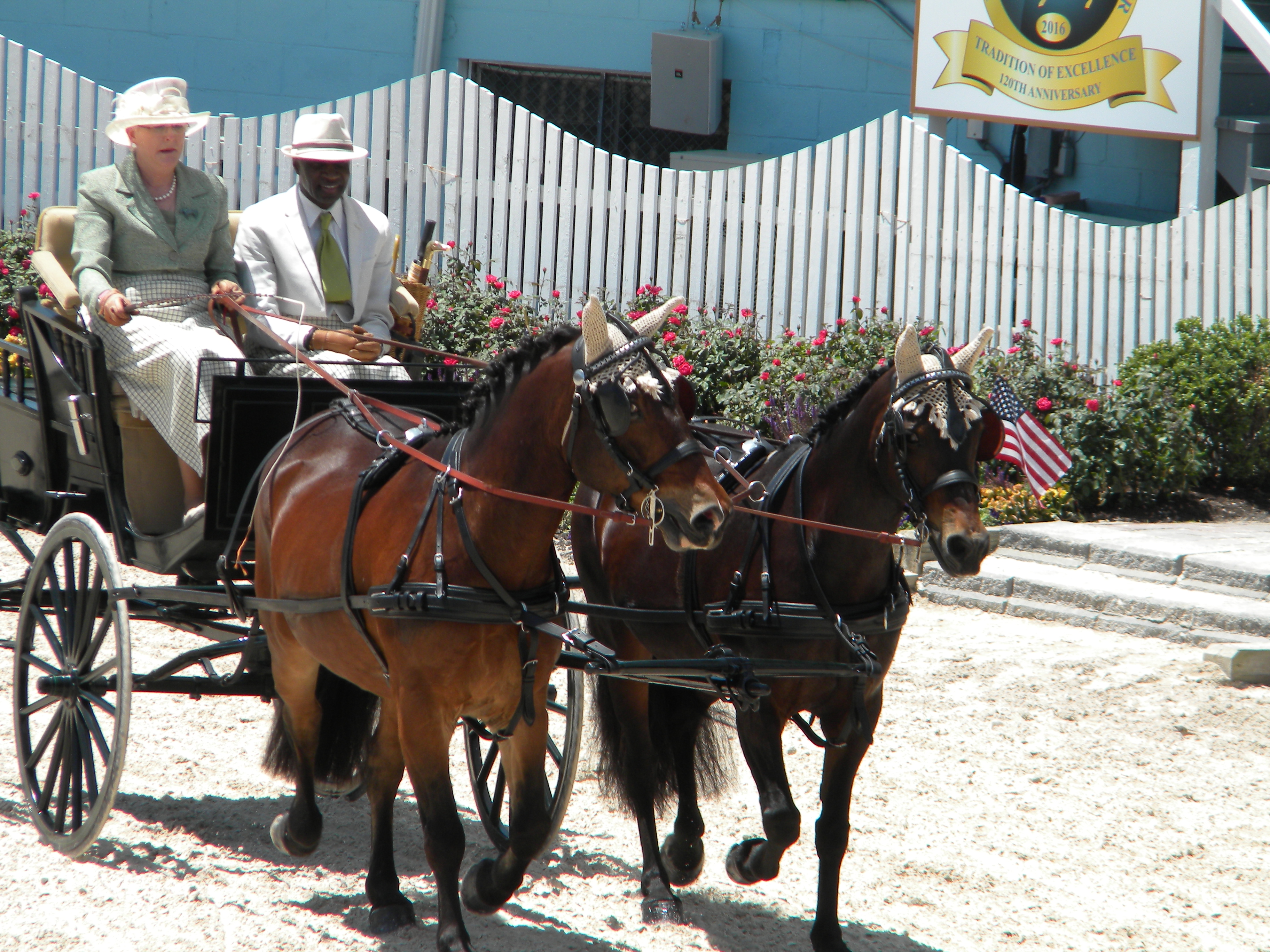
My great-grandmother had box seats in the posh blue grandstand, but now we camp out in the East 2 grandstand bleachers. We got to see carriage competition complete with regular horses, a miniature horse, and white horse-mule crosses…

Tandem team, four wheel carriageMInature horse pulling 2-wheeled cart4 white horse-mule crosses pulling a Police paddy wagon


A Shetland pony steeplechase…

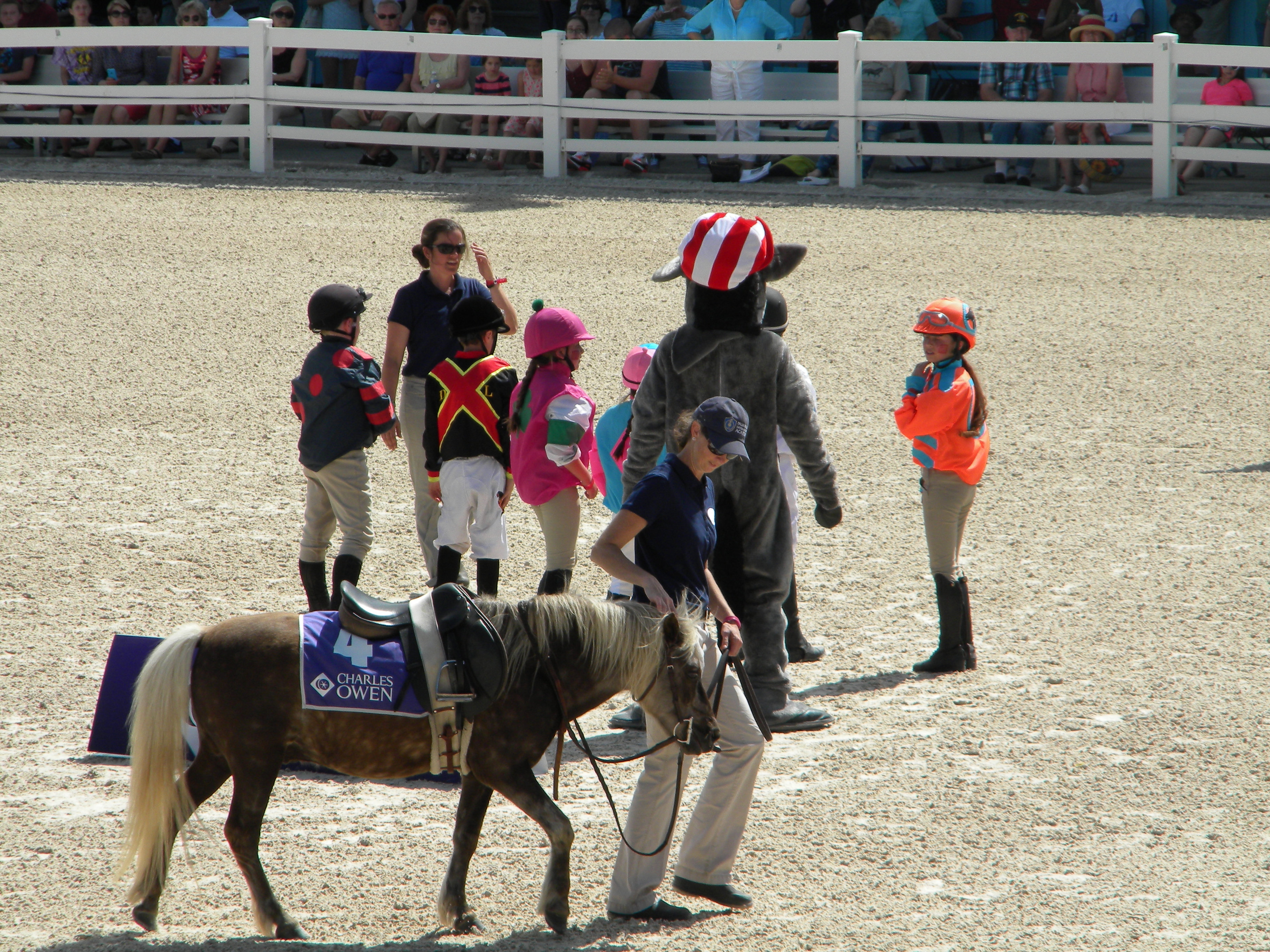
Child jockeys waiting to start the Shetland pony steeplechaseRiders up for the Shetland steeplechase


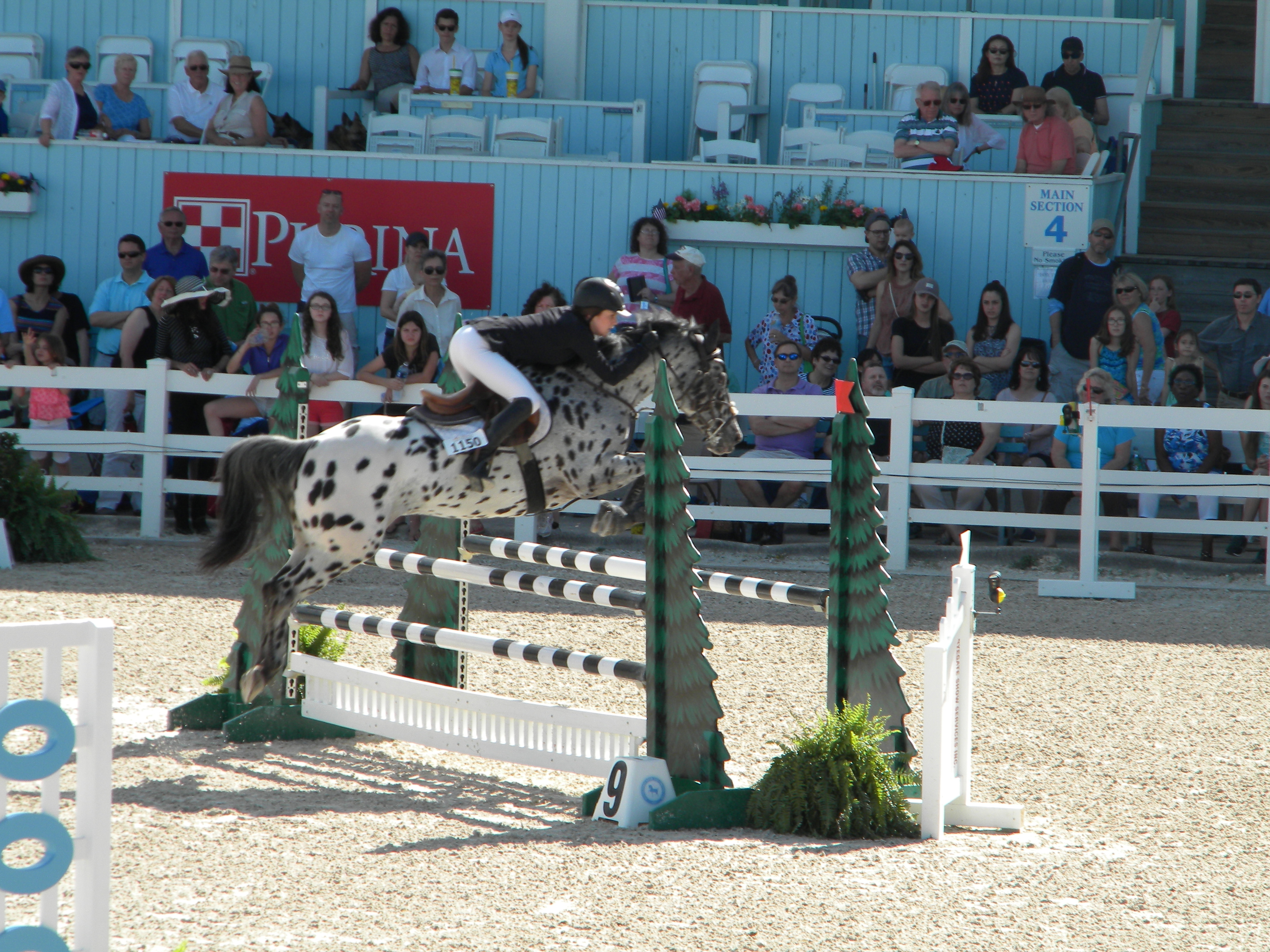
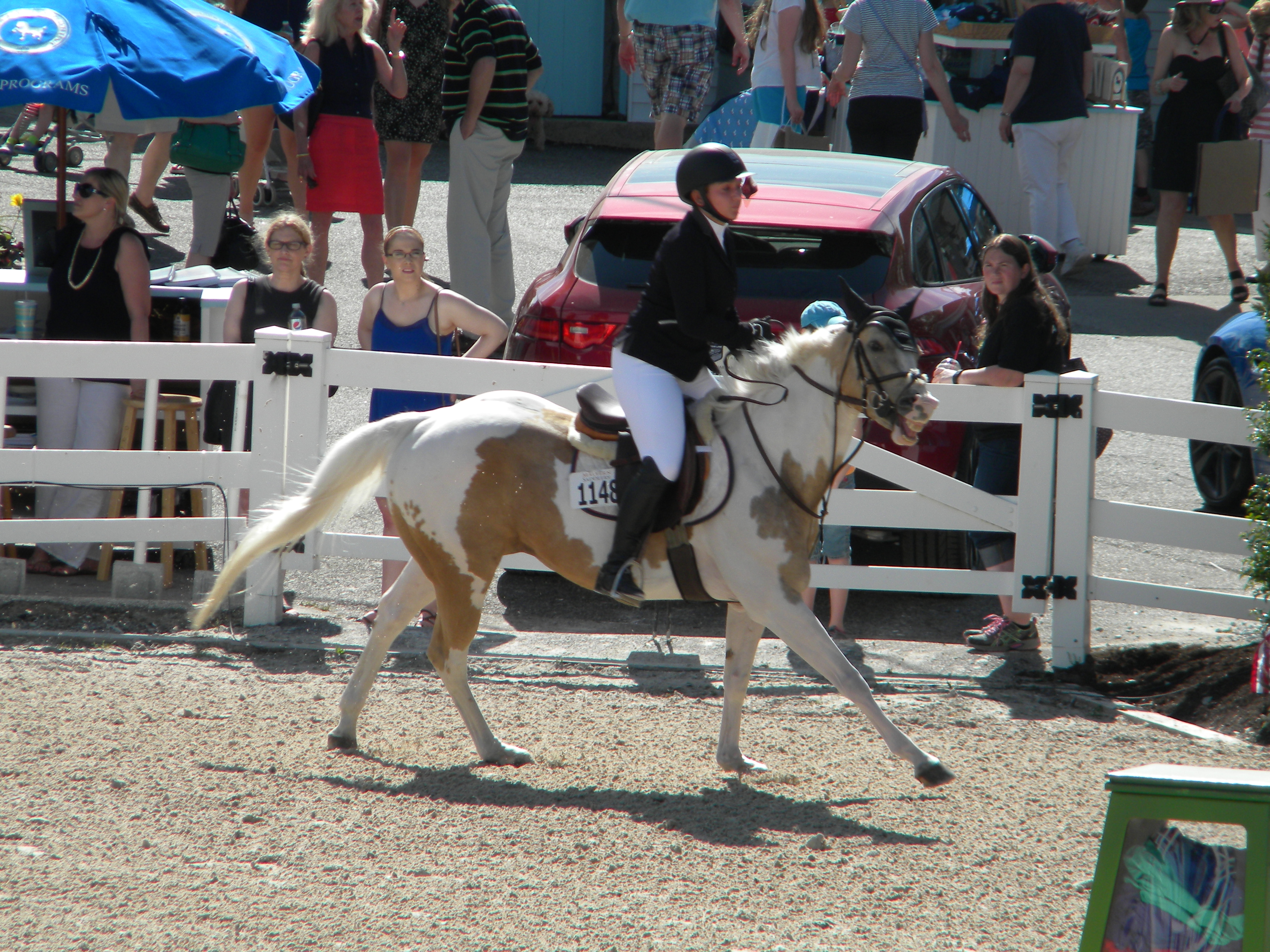
And pony show jumping…

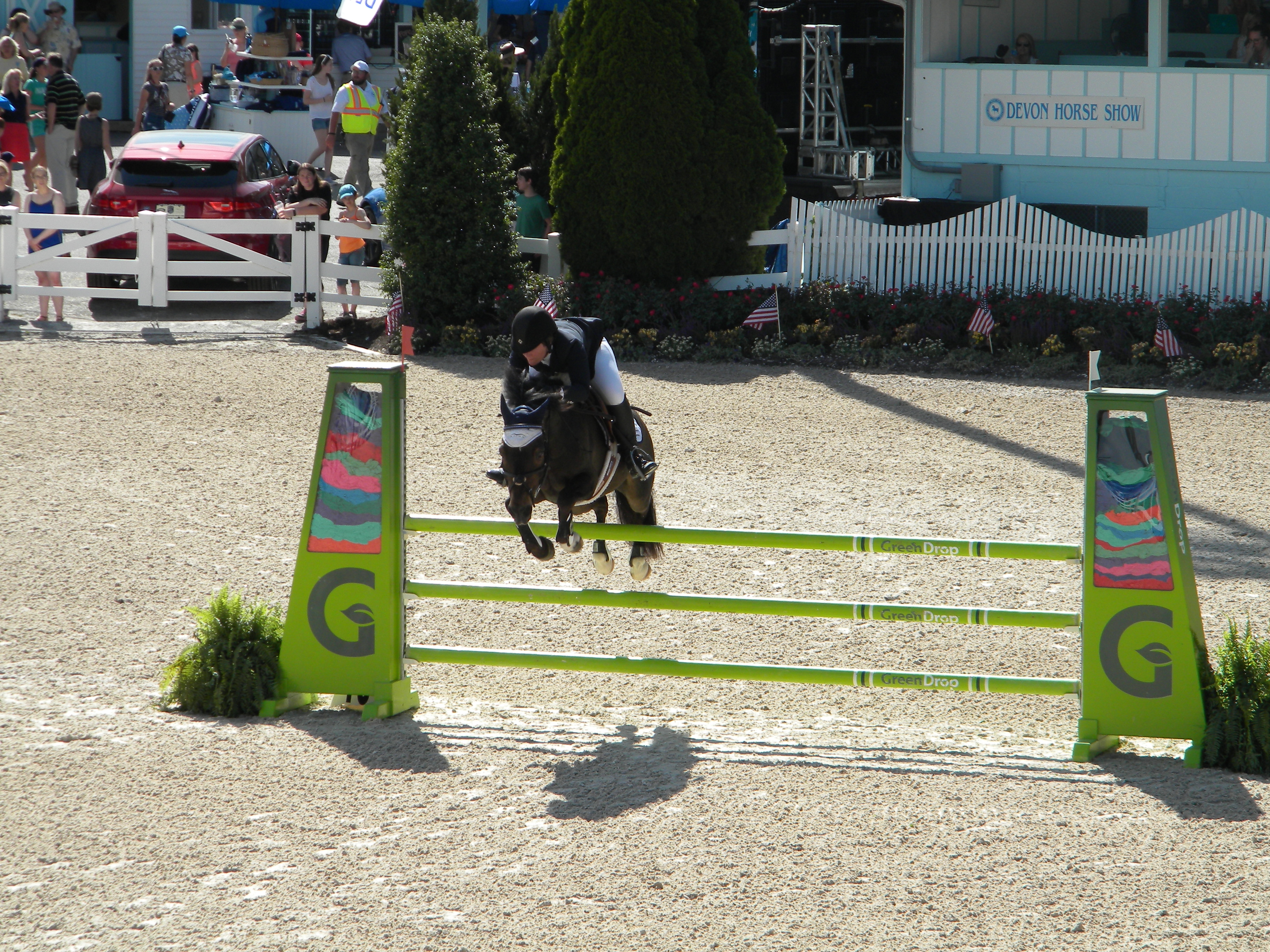
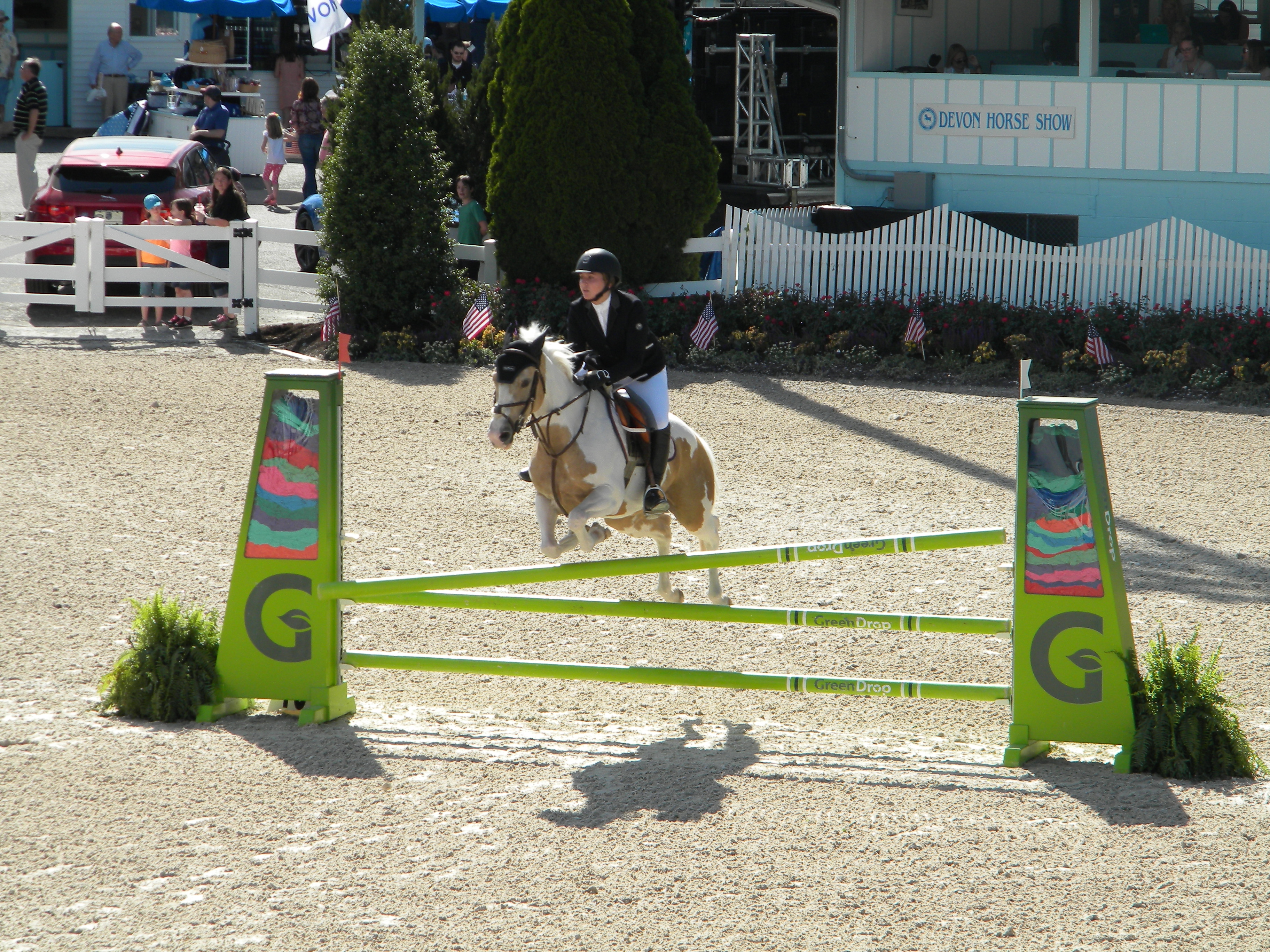
Appaloosa clears the fencesPalomino paint in full stridePalomino paint jumping


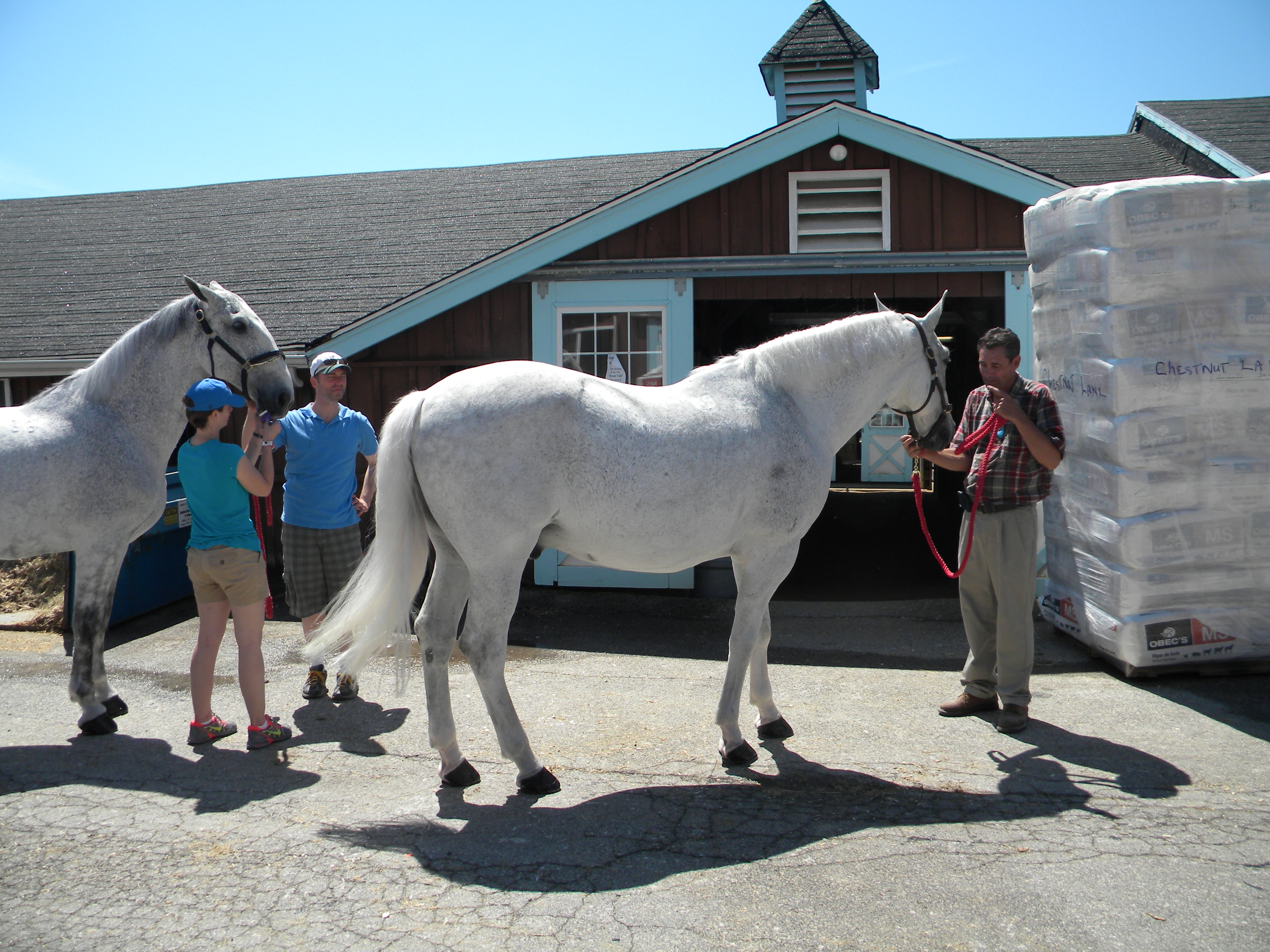
We even strolled through the stable area, and saw some magnificent draft horses—who were part of the team that won the overall carriage best of show!

White draft horses4-in-hand white draft horses and carriage that won best in show


We had a great time at the Devon Horse Show, as we usually do. Whether the horses cleared all hurdles…

Brown pony clearing the fence

Or didn’t quite make it…

Palomino paint knocking the top pole down

They were all beautiful.

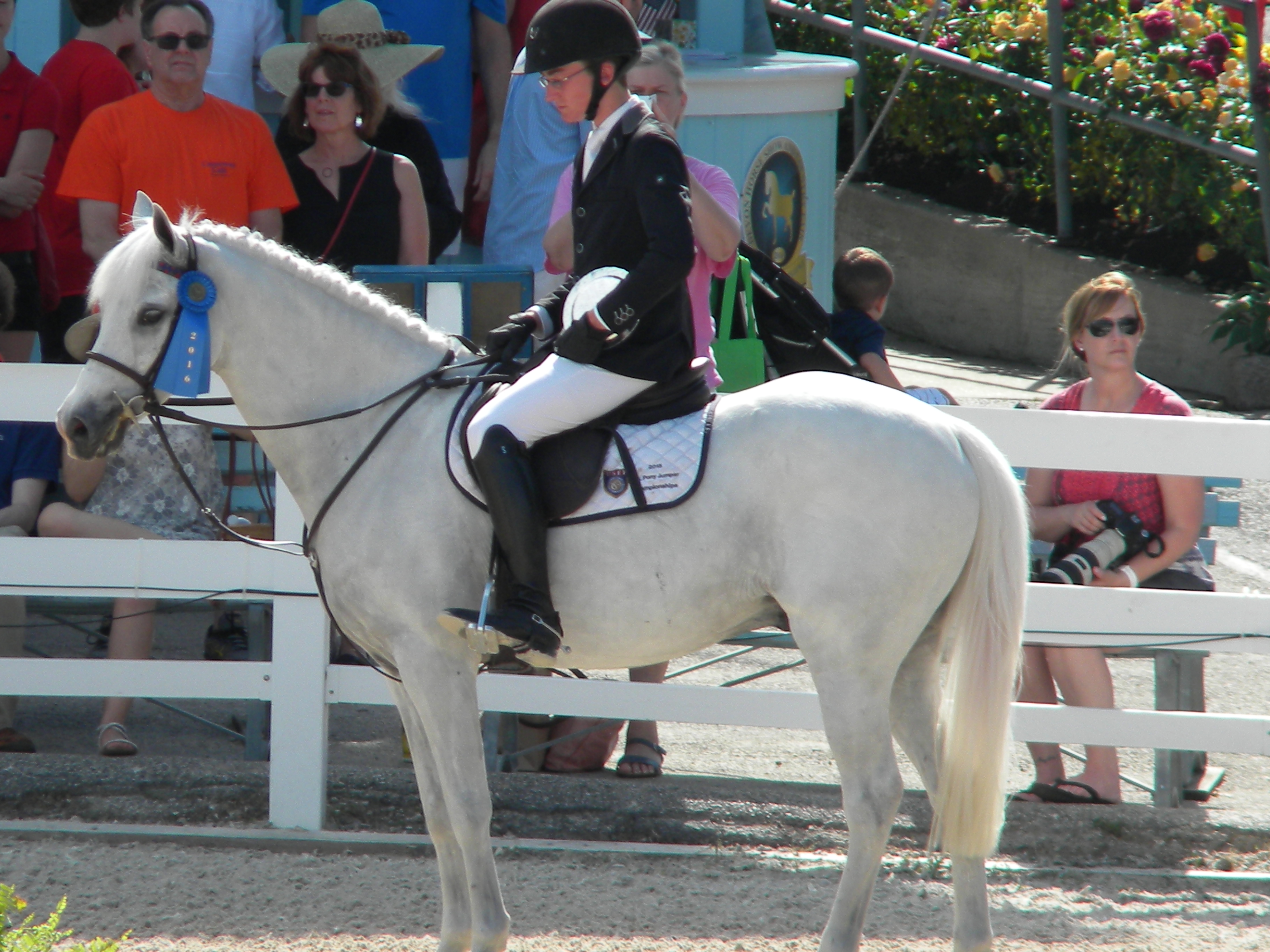
Close up of a horse headWhite pony, winner of the jumping


I had a lot of fun on my days “off” and will return to work recharged and ready to write.

How do you recharge?

Book Fair Magic: Casting a reading spell

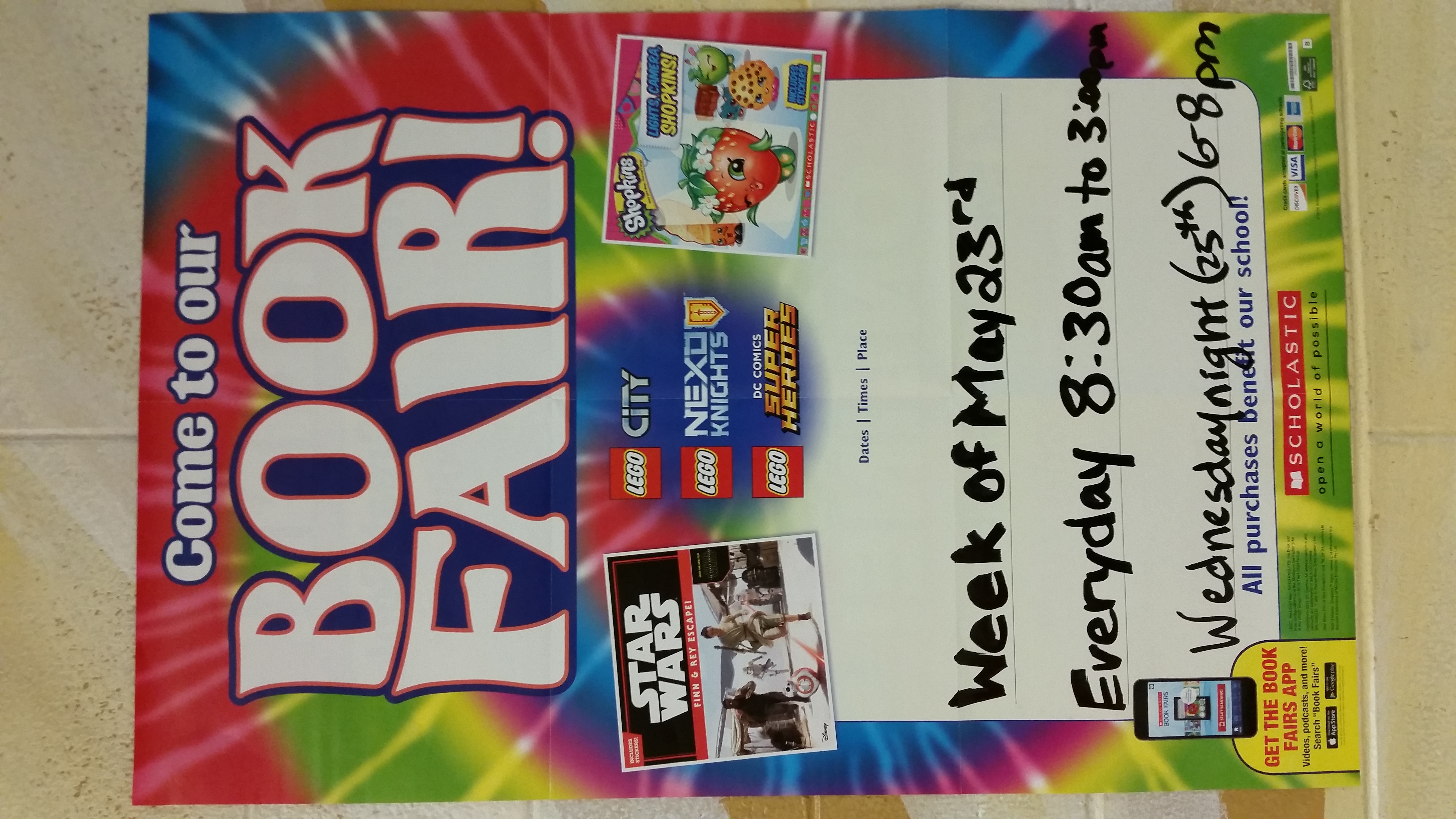
Scholastic Book Fair posterAs a child, I loved the Scholastic Book Fair. My elementary school’s library was too small to house the Fair books, so we would walk into a classroom full of tables with books stacked as far as my young eyes could see.

Magic awaited me there.

Filling out my list of books, coming back with the money, leaving with an armful of new adventures…one of the most exciting times of the year.

Now I am helping with my daughter’s Scholastic Book Fair, and the magic still lives. Most of the kids take choosing their books very seriously. My daughter did just as I expected and chose about 25 books for her Wish List. Her list, by far, was the longest I have seen. Just like me, she would choose ALL the books if she could. Her face shone with joy as she perused the shelves.

Scholastic Book Fair shelvesSome kids, though, are the polar opposites. Like the young boy who wandered aimlessly around and wrote down only one book in a lackluster manner. He asked me, “Do you have any sports books?” I didn’t think we did, but I went to look.

I found Basketball Superstars 2016. I found the boy and said, “I don’t know if you like basketball, but this is all we have.” He took it from me and very slowly said, “Basketball is my sport.” As he leafed through the book, he got more and more excited. He exclaimed and yelled out names I presume are basketball stars. His buddies came over and got so into passing the book around and turning the pages that I had to warn them to be careful with it because they hadn’t bought it yet!

The Book Fair has changed since I was a kid—the book prices are definitely higher. But the way the Book Fair makes me feel hasn’t changed. Seeing that boy go from zero to sixty once I found just the right book for him?

Magic.

Scholastic Book Fair table

WP-Backgrounds Lite by InoPlugs Web Design and Juwelier Schönmann 1010 Wien